Packaging isn’t just about protection—it’s also about presentation, sustainability, and performance. In today’s market, where consumers care about both quality and environmental impact, choosing the right plastic material is more important than ever. Among the wide range of materials available, PET and PVC are two of the most commonly used options in the packaging industry.
Each has unique strengths, applications, and challenges. Understanding their differences can help brands make informed choices that enhance product appearance, ensure safety, and support eco-friendly goals. Let’s explore these two materials in depth to determine which might be the best fit for your packaging needs.
| Feature | PET (Polyethylene Terephthalate) | PVC (Polyvinyl Chloride) |
| Full Name / Meaning | What does PET stand for in plastic: Polyethylene Terephthalate | What is PVC made of: Polyvinyl Chloride resin derived from vinyl chloride monomers |
| Clarity & Appearance | Excellent transparency and gloss; ideal for clear packaging | Less transparent; may have a slight tint |
| Durability | Strong impact resistance, lightweight | Rigid but can become brittle over time |
| Recyclability | Widely recyclable; eco-friendlier option | Difficult to recycle; may release toxins when processed |
| Cost | Slightly higher but long-term sustainable | Lower upfront cost but less environmentally friendly |
| Applications | Beverage bottles, food containers, flexible packaging material | Blister packs, shrink films, pharmaceutical trays |
What are PET (Polyethylene Terephthalate) and PVC (Polyvinyl Chloride)?
PET Explain
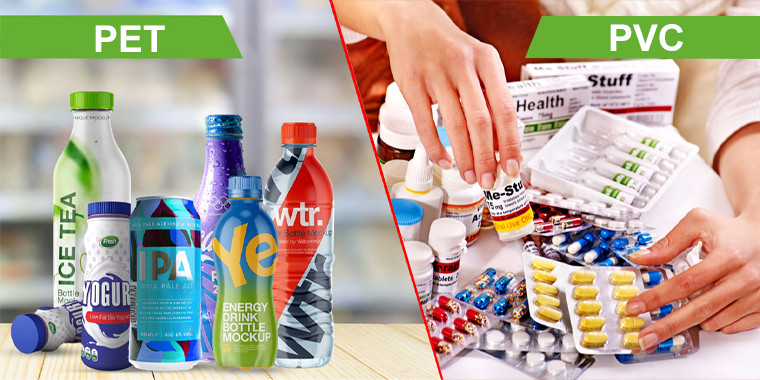
When discussing plastic packaging, you’ll often hear the term PET—but what does PET stand for in plastic? It stands for Polyethylene Terephthalate, a strong, lightweight, and transparent polyester material. PET has gained massive popularity in industries ranging from food and beverages to cosmetics and pharmaceuticals.
- High Transparency and Gloss
PET offers crystal-clear visibility, allowing brands to showcase their products attractively. This optical clarity enhances shelf appeal and gives consumers a better view of what’s inside.
- Durability and Impact Resistance
Despite being lightweight, PET is extremely tough. It resists impact and doesn’t easily crack or shatter, ensuring safe transportation and handling.
- Barrier Protection
PET provides excellent protection against gases and moisture, which is essential for preserving freshness, especially for food and beverages.
- Recyclability
PET is one of the most recyclable plastics globally, and recycled PET (rPET) is used in clothing, containers, and new packaging—making it an eco-conscious choice.
PVC Explain
PVC, short for Polyvinyl Chloride, is another widely used packaging plastic known for its versatility. But what is PVC made of? It’s produced from vinyl chloride monomers derived from petroleum and salt. Depending on the formulation, PVC can be rigid or flexible, serving both industrial and consumer packaging needs.
- Versatility in Form
PVC can be made rigid for durable containers or flexible for films and wraps. This adaptability makes it ideal for various packaging types.
- Chemical and Oil Resistance
PVC resists many acids and oils, offering stable protection for non-food products.
- Affordability
It’s cost-effective to produce, which is why it remains a popular option in cost-sensitive packaging segments.
- Moderate Transparency
While not as clear as PET, PVC still provides adequate visibility for products like blister packs or clamshells.
Common Applications in the Packaging Industry
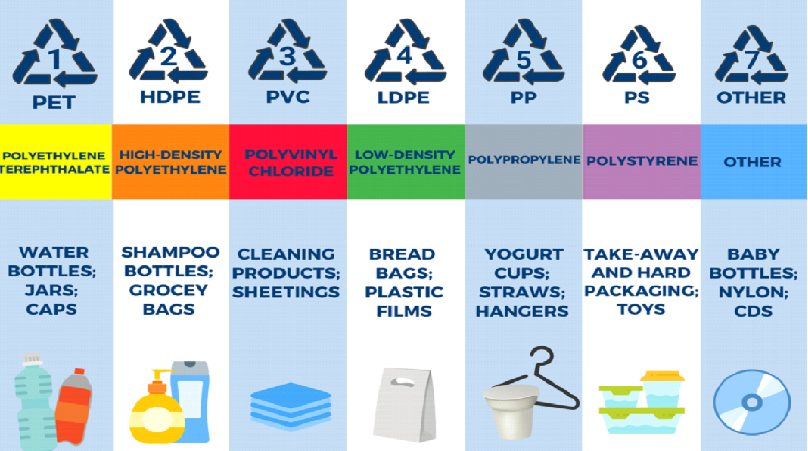
Both PET and PVC are used extensively in modern packaging, but their applications differ based on performance requirements.
- PET Applications: Beverage bottles, food containers, clear trays, cosmetic jars, and pharmaceutical blister packs.
- PVC Applications: Shrink films, blister packaging for electronics or tools, flexible pouches, and medical tubing.
- Emerging Trends: PET is gaining favor in sustainable packaging projects, while PVC continues to serve industries needing flexible packaging materials for form-fitting protection.
Key Differences Between PET and PVC
Physical and Mechanical Properties
- PET: Known for its high strength-to-weight ratio, PET is lightweight yet highly impact-resistant. Its stiffness ensures stability even in thin-wall packaging designs.
- PVC: Generally denser and heavier than PET. It offers decent strength but is more prone to cracking under extreme pressure or cold environments.
- Comparison Insight: For brands prioritizing durability and reduced shipping weight, PET typically outperforms PVC.
Transparency and Appearance
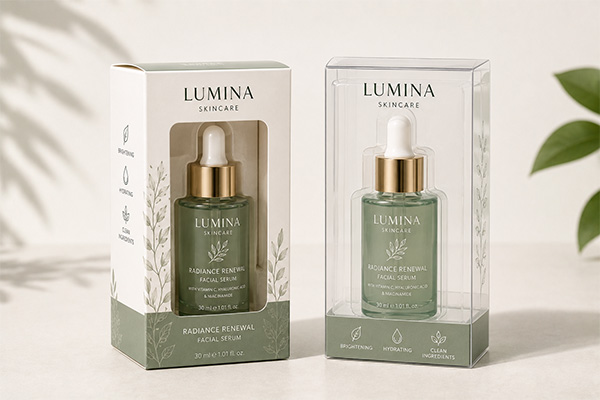
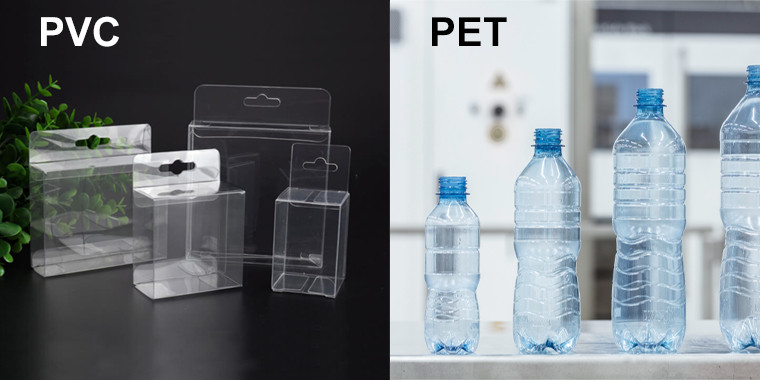
- PET: Offers superior clarity and gloss, giving products a premium, glass-like appearance. This makes it the preferred choice for cosmetic and beverage packaging.
- PVC: While transparent, it tends to yellow slightly over time or with heat exposure. This can affect the overall aesthetic, particularly for long-shelf-life products.
- Verdict: PET wins in terms of visual appeal and long-term clarity.
Durability and Strength
- PET: Its toughness makes it resistant to impacts, cracks, and deformation during handling or transportation.
- PVC: Though fairly strong, flexible PVC versions can stretch or warp under heavy loads or heat.
- In Practice: PET is more suitable for packaging that must endure frequent handling, such as bottled beverages or travel-sized containers.
Cost Considerations
- PVC: Offers a lower production cost, which appeals to manufacturers working with large volumes and tight budgets.
- PET: Slightly higher in cost due to its refining and recycling process, but it offers long-term savings through recyclability and durability.
- Conclusion: PVC may be more affordable upfront, but PET delivers better overall value for quality-conscious and sustainable brands.
Environmental Impact of PET vs. PVC
Recyclability of PET Packaging
- Global Recycling Compatibility
PET is accepted in most recycling programs worldwide. Recycled PET (rPET) can be repurposed into fibers, packaging, or even new bottles.
- Energy Efficiency
Recycling PET requires less energy than producing virgin plastic, reducing carbon emissions.
- Brand Benefit
Using PET aligns with sustainability goals, appealing to eco-conscious consumers.
Sustainability and Eco-Friendliness
- PET: Non-toxic, lightweight, and recyclable—PET supports circular economy models and contributes to lower transportation emissions.
- PVC: Less sustainable due to chemical composition and lower recyclability rates.
- Eco Verdict: PET stands out as the clear leader for brands committed to green packaging solutions.
Choosing the Right Material for Your Packaging Needs
Factors to Consider (Cost, Performance, Market Requirements)
When selecting between PET and PVC, brands should evaluate:
- Budget: PET has higher upfront costs but offers long-term savings through recyclability.
- Product Type: For food, beverages, or cosmetics, PET ensures better safety and shelf appeal.
- Market Perception: Consumers are becoming more aware of eco-friendly packaging—choosing PET supports a positive brand image.
When PET Is the Better Choice
- For Transparency and Aesthetics: PET’s high clarity enhances visual presentation.
- For Food and Beverage Packaging: Approved for direct food contact with strong barrier properties.
- For Sustainable Branding: Recyclable and energy-efficient, aligning with modern eco-conscious trends.
When PVC Is the Better Choice
- For Cost-Sensitive Projects: PVC offers lower production costs for large-scale packaging runs.
- For Non-Food Industrial Use: Ideal for products needing flexible packaging materials, like tools, wires, or medical equipment.
- For High Flexibility Requirements: Soft PVC films or wraps work well where adaptability is key.
Which Plastic Is Best for Packaging?
The “best” plastic depends on your product type and priorities:
- PET is ideal for food, beverage, and cosmetic packaging because it’s lightweight, safe, transparent, and easily recyclable. Its versatility also allows for both rigid and semi-flexible forms.
- PVC works better for industrial and non-food applications, where flexibility, chemical resistance, and low cost are key.
However, in today’s sustainability-driven market, PET is generally considered the best overall choice for packaging that balances performance, recyclability, and visual appeal.
Conclusion: Making an Informed Decision
Choosing between PET and PVC packaging depends on your priorities. If your goal is to achieve clarity, recyclability, and consumer trust, PET is your best option. It provides excellent durability, brilliant transparency, and aligns with global sustainability standards. On the other hand, PVC remains a cost-effective and versatile choice for certain non-food or industrial packaging needs.
In today’s eco-conscious market, selecting materials that reflect your brand’s commitment to sustainability can give you a competitive edge.
💡 Ready to upgrade your packaging with innovative, eco-friendly materials?
Explore professional paper and plastic packaging solutions at bailipaperpackaging.com — where quality design meets sustainability and brand impact.