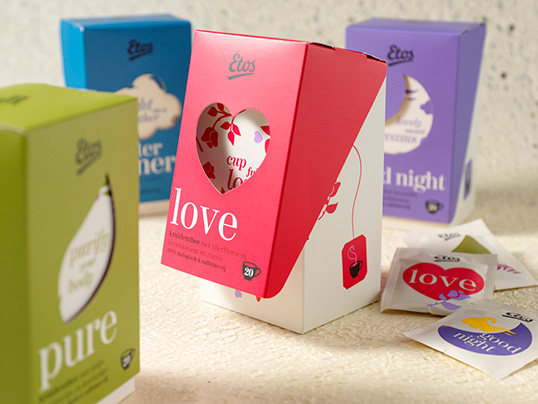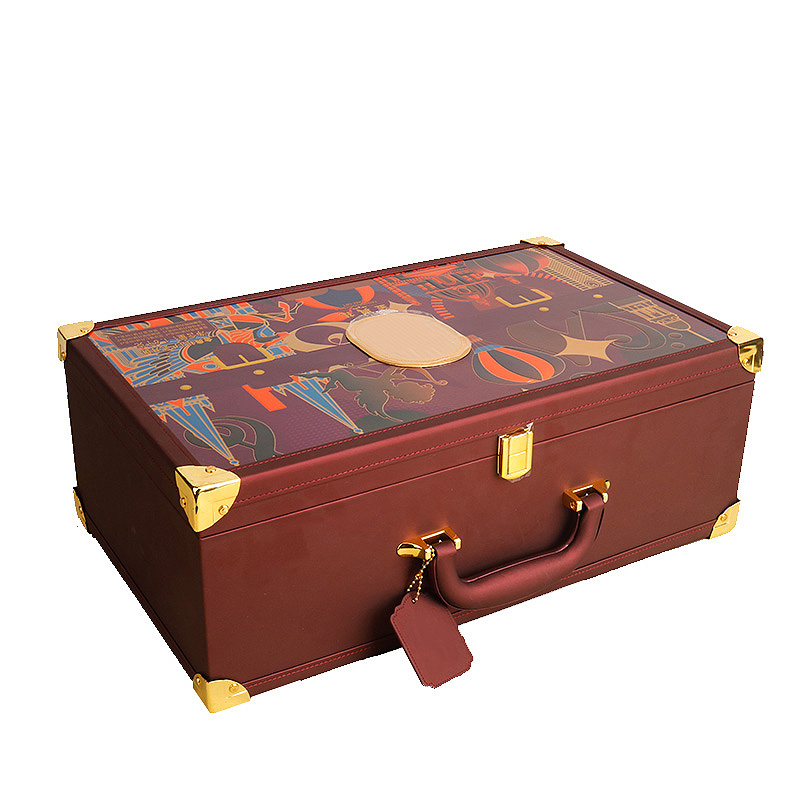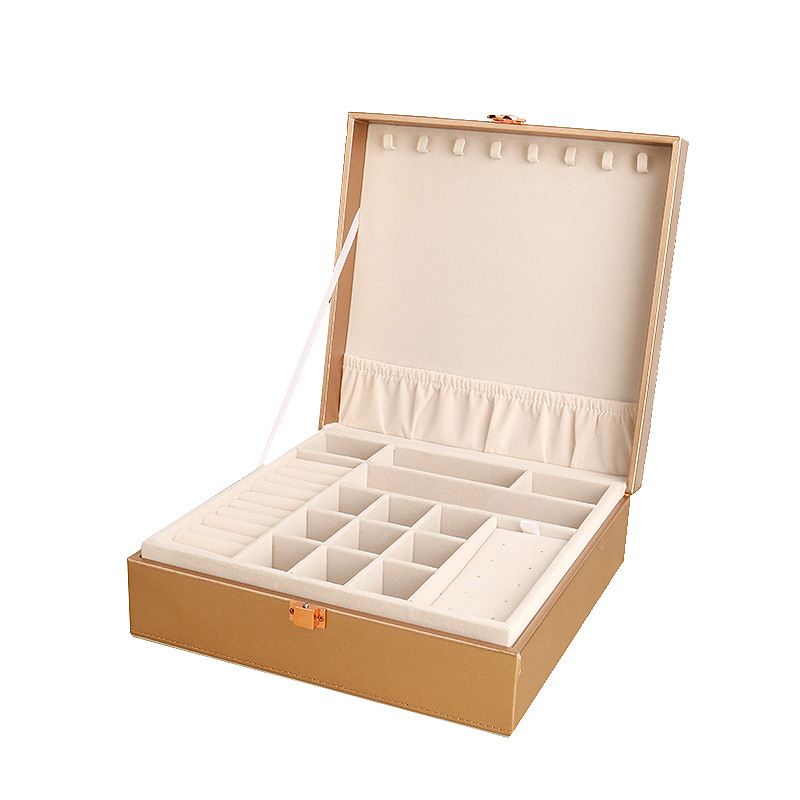
As packaging standards continue to rise in 2026, selecting the right materials for folding cartons has become a strategic decision for brands in food, مستحضرات التجميل, and consumer goods markets. Beyond appearance, carton materials influence product protection, sustainability performance, cost efficiency, and regulatory compliance. For brands working closely with carton manufacturers, understanding the strengths and limitations of different paperboard options is essential to building packaging that performs well across retail, التجارة الإلكترونية, and global distribution channels.
This guide enables you to communicate more effectively with folding cartons suppliers and make informed decisions that balance durability, العلامات التجارية, and environmental responsibility in a competitive packaging landscape.
Recycled Paperboard: Benefits and Limitations
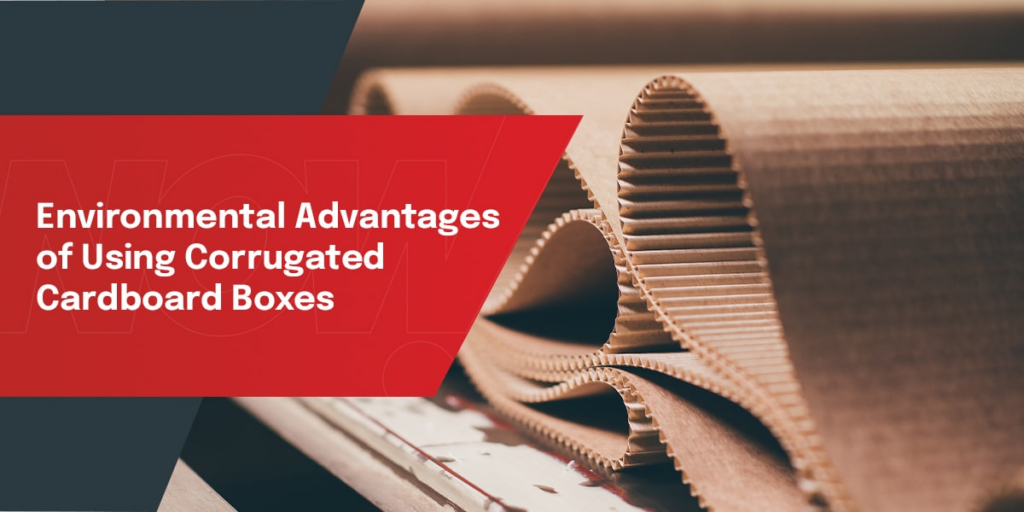
الورق المقوى المعاد تدويره, available as CRB and URB, offers significant environmental benefits by reducing energy and water consumption. While modern grades provide improved surface quality and efficient operational performance, its inherent fiber weakness and stringent food contact regulations, particularly regarding mineral oil migration, present key limitations in 2026.
The shift towards sustainable packaging has increased interest in recycled paperboard for folding cartons. This material offers a compelling environmental story and has seen advancements in performance. Brands often weigh these benefits against specific structural and regulatory challenges.
Understanding its properties helps in making informed choices for various product applications. تغليف ورق بايلي supports brands in navigating these material selections, ensuring solutions meet both performance and sustainability goals.
Benefits and Operational Advancements
Recycled paperboard brings notable environmental advantages to packaging. Manufacturing with recycled fibers consumes fewer resources compared to producing virgin board. This resource efficiency translates into a smaller ecological footprint for packaged goods.
- Production of recycled paperboard uses 25–50% less energy and up to 99% less water than virgin board, saving around 17 trees per ton.
- Modern CRB (Clay-Coated Recycled Board) and URB (Uncoated Recycled Board) grades achieve surface smoothness comparable to virgin boards, supporting high-end printing and luxury finishes in 2026.
- Some consumer goods plants find cartons made from 100% recycled board run with less resistance, allowing higher line speeds on automated packaging lines.
Baili Paper Packaging works with clients to overcome these limitations. We offer structural engineering expertise and a range of material options, including virgin fibers where necessary, ensuring compliance and optimal product protection for all packaging projects.
Essential Eco-Certifications for Sustainable Packaging
Brands increasingly prioritize حلول التغليف المستدامة. Certifications offer a clear way to verify eco-friendly claims and responsible practices in folding carton materials. Baili Paper Packaging emphasizes these certifications in its material sourcing.
- FSC® Certification ensures paperboard comes from responsibly managed forests. This meets global environmental and ethical standards, confirming a commitment to forest preservation.
- EcoVadis Silver Rating assesses comprehensive business sustainability. It covers environment, تَعَب, ethics, and procurement, with top companies ranking in the 78th percentile for their performance.
- Cradle to Cradle Certified® evaluates the complete lifecycle environmental and sustainability impact of packaging materials. This includes material health, قابلية إعادة التدوير, and renewable energy use.
Material Cost Comparison
Folding carton material costs typically range from $0.25 ل $1.00 per unit. This range is primarily driven by the type of paperboard used, such as SBS, هُم, FBB, or CRB, and its thickness.
These costs are significantly lower than those for corrugated or rigid box alternatives. Choosing the right material is essential for managing budgets effectively and positioning a brand competitively in the market.
Understanding the financial aspects of folding cartons helps brands make informed decisions about their packaging. Material selection plays a pivotal role in overall project cost and product presentation.
Overall Cost Drivers for Folding Cartons
Most commercial folding carton production runs typically fall within a unit cost range of $0.25 ل $1.00 لكل صندوق. For medium to large volumes, many projects achieve costs under $1.00 per unit.
Folding cartons are generally the most cost-effective rigid paperboard packaging format. They offer significant savings compared to corrugated boxes, which average $2.00–$4.00 per unit, and rigid boxes, which can range from $8.50–$10.00 per unit.
The primary factors influencing folding carton expenses are the specific material family chosen and the paperboard’s thickness, known as caliper. Baili Paper Packaging advises clients on balancing these factors to meet both budget and quality requirements.
Specific Material Grade Costs and Benefits
Different paperboard grades offer distinct cost profiles and benefits. كبريتات مبيضة صلبة (اس بي اس) board carries a higher material cost.
Brands choose SBS for its premium appearance, high brightness, and excellent print quality, making it ideal for luxury goods, منتجات التجميل, and electronics packaging where visual appeal is paramount.
كبريتات صلبة غير مبيضة (هُم) and Folding Boxboard (FBB) provide a better strength-to-cost ratio. هُم, بخاصة, is often more cost-effective than SBS while still delivering high structural strength.
Coated Recycled Board (CRB) serves as a lower-cost, recycled option. It suits products with less demanding aesthetic needs or for secondary packaging applications, supporting sustainable packaging projects.
Impact on Brand Perception and Luxury Feel
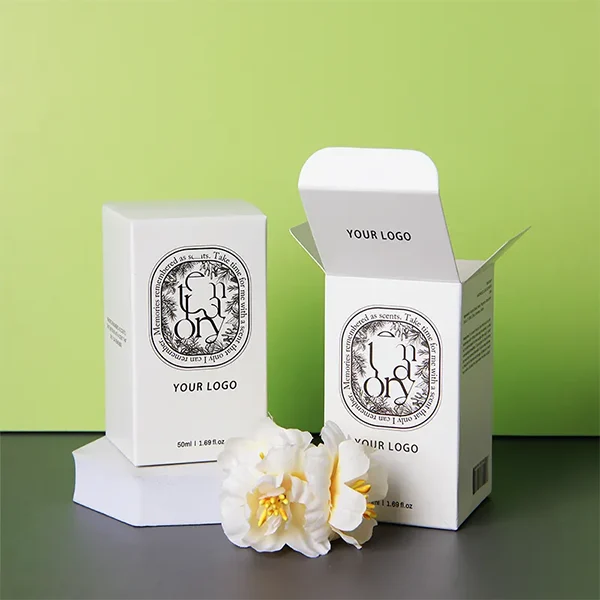
The materials and finishing techniques chosen for folding cartons significantly shape how consumers perceive a brand. التعبئة والتغليف الفاخرة, بخاصة, communicates exclusivity and high quality before the product is even opened. It’s about creating an emotional connection through tactile and visual experiences.
Strategic material selection and expert application of finishes turn a simple carton into a powerful brand statement. This approach helps brands stand out in competitive markets.
Key Elements Defining Luxury Packaging Perception
Several core factors contribute to a luxurious feel in packaging. These include the substrate grade, the board’s thickness or caliper, its surface appearance, and any added tactile embellishments. Each element plays a role in the overall perceived quality.
Premium finishes also convey exclusivity. Techniques like embossing add a raised texture, foil stamping creates metallic accents, and spot UV coatings provide glossy highlights. Soft-touch textures, which feel velvety, offer an inviting tactile experience that further elevates perceived value.
Segment-Specific Material Choices for Luxury Appeal
Different product segments utilize specific materials and finishes to achieve their desired luxury aesthetic. For luxury cosmetics, brands often select 18–24 pt SBS board with specialty coatings. These coatings enhance both the visual appeal and the tactile sensation, making the package feel refined.
Fragrances and high-end beauty or electronics accessories typically use heavier 24–32 pt board. This greater thickness provides a significant heavyweight feel and stiffness, signaling a substantial and premium product inside.
Beyond materials, advanced structural engineering, unique die-cuts, و custom inserts transform folding cartons into powerful brand assets. These elements deliver luxury cues efficiently, protecting the product while enhancing the unboxing experience.
Choosing the Right Material for Your Product
Selecting the optimal folding carton material involves balancing board grade, caliper, and performance standards. This choice is guided by factors such as product weight, desired shelf presence, and filling efficiency.
Common grades like SBS, SUS/CUK, CRB, and FBB are used with calipers typically ranging from 10–32 pt, each suited for specific applications from food to premium cosmetics.
| Board Grade | Caliper Range | Key Characteristics | Typical Applications |
|---|---|---|---|
| كبريتات مبيضة صلبة (اس بي اس) | 10–24 pt | Excellent whiteness, smooth surface, high print fidelity, good rigidity. | Premium cosmetics, OTC pharmaceuticals, dry food, general retail packaging. |
| كبريتات صلبة غير مبيضة (SUS/CUK) | 16–24 pt | High strength, tear-resistant, often coated for moisture barrier, wet-strength. | Frozen food, chilled products, beverage multi-packs, heavy loads. |
| Coated Recycled Board (CRB) | 16–18 pt | Recycled fiber content, good stiffness, economical choice, acceptable print surface. | Dry food products, general consumer goods, budget-conscious packaging. |
| Folding Boxboard (FBB) | 16–18 pt | Multi-ply construction, good bulk, smooth surface for printing, excellent folding properties. | Premium packaging, مستحضرات التجميل, confectionery, pharmaceutical products. |
Choosing the right material for folding cartons is a foundational step in product packaging. It influences not only the visual appeal but also the protection and functionality of your product on the shelf and during transit. Making an informed decision ensures your packaging meets both aesthetic and performance demands.
Brands must consider the product’s specific needs, environmental factors, وتجربة المستهلك. The goal is to find a balance between structural integrity, جودة الطباعة, and cost-effectiveness.
Precision-Crafted Folding Cartons: Elevate Your Brand.
الأسئلة المتداولة
What are the differences between SBS and kraft board for folding cartons?
اس بي اس (solid bleached sulfate) is a bright-white board chosen for its print quality, while kraft (typically CUK/SUS or natural kraft) is a brown board valued for its strength. At the same basis weight, kraft/coated unbleached kraft generally provides higher tear and durability.
SBS offers higher brightness (around 90+), a smoother surface, and superior print quality, though it has somewhat lower tear strength and a higher cost. It consists of 100% bleached virgin chemical pulp, white throughout, and is usually coated on one or two sides.
كرافت (CUK/SUS) uses at least 80% virgin unbleached kraft pulp, showing brown throughout the sheet with a white, coated top side, or is natural brown on both sides if uncoated.
Kraft/SUS provides superior strength and tear resistance, making it ideal for refrigerated and frozen applications. SBS excels in stiffness and compression strength for premium graphics and hygiene-sensitive products like cosmetics, المستحضرات الصيدلانية, and dry food packaging.
What board thickness is typically needed for branded folding cartons?
For branded folding cartons in sectors like food, جمال, والإلكترونيات, the typical industry thickness ranges from 12–28 pt (approximately 0.012–0.028 inches or 305–711 µm). Most premium retail cartons use 16–18 pt board.
Heavy-duty or stacked packaging may go up to 28 pt, which is near the practical upper limit for standard folding carton converting lines. The commercial standard for cosmetics, طعام, and similar retail packaging is 16–28 pt (approximately 0.016–0.028 inches or 406–711 µm).
What is the typical cost difference for folding cartons?
For branded folding cartons in food, جمال, والإلكترونيات, a finished unit cost typically ranges from USD $0.09–$0.50 per carton at mid-to-high volumes.
Corrugated alternatives usually cost about 2–4 times more (approximately $2–$4 per printed shipper) under comparable print and finish conditions. This makes folding cartons generally the lowest-cost printed retail box format for these categories.
A commonly cited commercial range in 2026 is $0.09–$0.17 per fully printed folding carton using 18‑pt SBS at scale.
خاتمة
Choosing the right folding carton materials in 2026 is essential for achieving the ideal balance of durability, العلامات التجارية, والاستدامة. Understanding material performance helps brands make informed packaging decisions that meet both market and regulatory demands.
By working with experienced carton manufacturers and reliable folding cartons suppliers like Baili Paper Packaging (https://bailipaperpackaging.com/), brands can develop custom folding cartons that deliver consistent quality, strong visual impact, and long-term value.