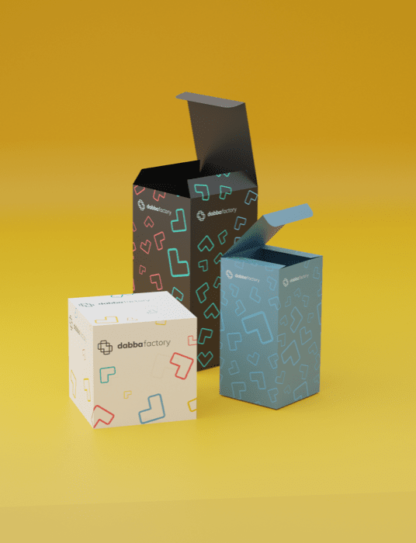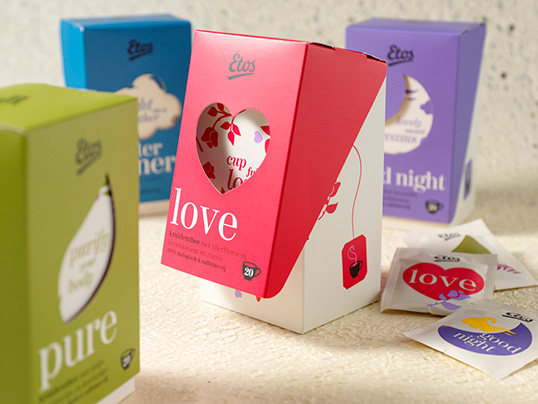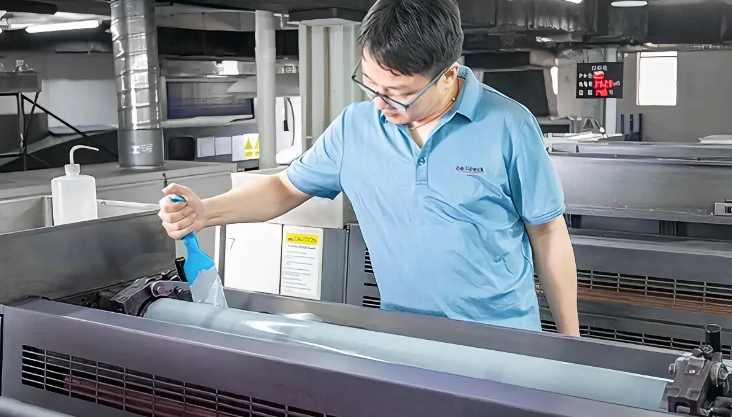
Designer, Drucker, Und Hersteller stehen zunehmend unter dem Druck, Papierschachtelverpackungen zu liefern, die sich optisch von anderen abheben, erfüllt Nachhaltigkeitsanforderungen, und passt sich den sich verändernden Produktionsanforderungen an. Die Wahl der richtigen Druckmethode kann sich direkt auf die Kosten auswirken, Qualität, und Markenwahrnehmung in wettbewerbsintensiven Märkten.
In diesem Ratgeber, Wir führen Sie durch die effektivsten Drucktechniken für Papierschachteln, Premium-Veredelungsoptionen, und der wahre Unterschied zwischen CMYK und Pantone, wenn es um Farbgenauigkeit und Kosten geht. Am Ende, Sie wissen genau, wie Sie den richtigen Prozess auswählen, um Ihren Arbeitsablauf reibungslos zu gestalten, Ihr Branding ist scharf, und Ihre Kunden sind beeindruckt.
Bereit, Ihre Verpackungsvision zum Leben zu erwecken? Besuchen Sie Baili Paper Packaging Entdecken Sie hochwertige maßgeschneiderte Boxlösungen, die Ihre Marke vom Konzept bis zur Produktion hervorheben – lassen Sie uns gemeinsam etwas Großartiges schaffen!
Warum Ihre Drucktechnik der erste Eindruck Ihrer Marke ist
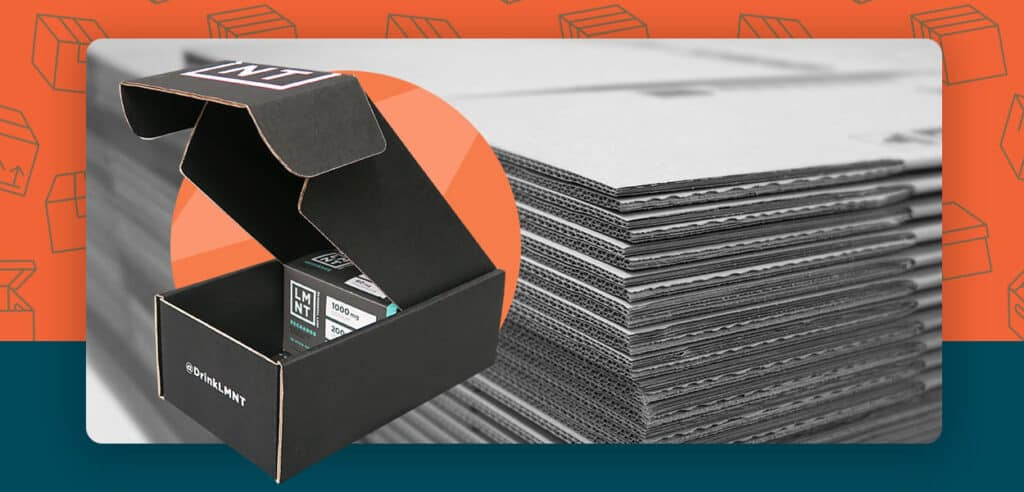
Ihre Drucktechnik ist der erste Eindruck Ihrer Marke, denn Verbraucher assoziieren Druckqualität – beispielsweise mit der Papierstärke, Farbbrillanz, und abschließend – mit Glaubwürdigkeit, Professionalität, und Vertrauenswürdigkeit. Hochwertige Druckmaterialien generieren bis zu 35% höhere Aufmerksamkeit und 75% Markenerinnerung im Vergleich zu digital, direkte Beeinflussung der Kundenwahrnehmung und Kaufentscheidungen.
Unserer Erfahrung nach, Die haptische und visuelle Qualität von Druckverpackungen vermittelt weit mehr als nur Informationen – sie verrät den Verbrauchern, wer Sie als Marke sind. Vom Gewicht des Papiers bis zur Präzision der Verarbeitung, Jedes Detail hat Einfluss darauf, wie glaubwürdig und einprägsam Ihre Produkte wirken.
Einfluss der Druckqualität auf Markenerinnerung und -vertrauen
Die Daten zeigen immer wieder, dass Printmedien digitale Medien in Bezug auf Erinnerungsvermögen und Vertrauen übertreffen. Dies ist eine entscheidende Erkenntnis für Branchen, die auf langfristige Kundenbeziehungen angewiesen sind.
| 📊 Metrisch | Druckleistung | Digitale Leistung |
|---|---|---|
| ✅ Markenerinnerungsrate | 75%-77% | 46% |
| ✅ Verbrauchervertrauen | 82% Vertrauen Sie Print-Anzeigen am meisten | Geringeres wahrgenommenes Vertrauen |
| 🚀 Aufmerksamkeitsstufe | 35% höhere Aufmerksamkeit | Grundlinie |
| 💡 Antwortrate (Kombiniert) | +25% mit Aufdruck + digital | Geringere Synergie |
Die Rolle der Papierdicke und der Veredelung bei der Wahrnehmung
Die physische Haptik und die visuelle Verarbeitung gedruckter Materialien schaffen starke sensorische Verbindungen. Diese Eigenschaften fungieren als stille Botschafter der Markenwerte.
- Dickeres Papier vermittelt Luxus und Professionalität, Steigerung der Conversion-Raten.
- Veredelungstechniken wie Prägen, Folienstempel, und Laminierung stärken die Markenpersönlichkeit.
- 92% von jungen Erwachsenen (Alter 18-23) finden, dass gedruckte Texte leichter zu lesen und ansprechender sind als digitale.
- Hochwertiges Papier und präzise Verarbeitung erzeugen bleibende Eindrücke, die digitale Formate nicht reproduzieren können.
Strategische Bedeutung einheitlicher Druckstandards
Wenn Sie eine starke Markenpositionierung beibehalten möchten, ist eine gleichbleibende Druckqualität nicht verhandelbar, insbesondere für Premiummärkte wie Luxusgüter und Finanzen.
- Feine Unterschiede in der Druckqualität nehmen Verbraucher unbewusst wahr, Auswirkungen auf Vertrauen und Wahrnehmung.
- Eine schlechte Druckqualität – etwa dünnes Papier oder inkonsistente Farben – kann dem Ruf einer Marke schaden.
- Die Einhaltung einheitlicher Druckstandards stärkt die Markenidentität und stärkt die Kundenbindung.
- Professionelle Ausrüstung und hochwertige Substrate sind für die Umsetzung der Markenvision im Druck unerlässlich.
Offsetdruck (Der Goldstandard für Qualität & Schüttgut)
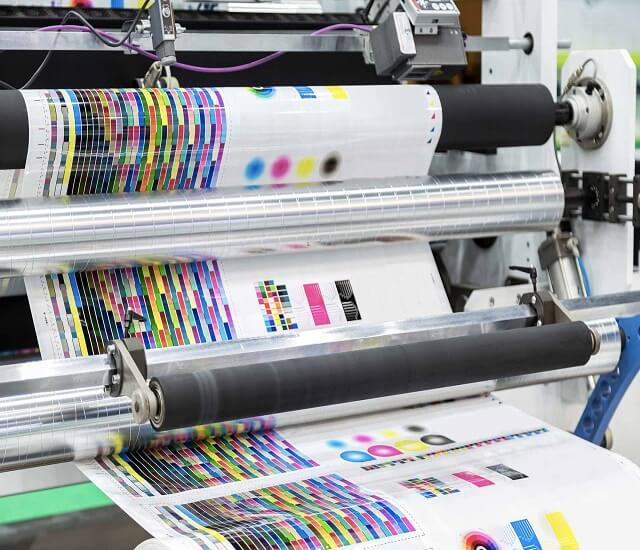
Offset -Druck bleibt der Goldstandard für die Produktion hochwertiger und voluminöser Papierschachteln, bietet unübertroffene Farbtreue, Haltbarkeit, und Kosteneffizienz bei großen Auflagen, wobei das Marktwachstum durch Verpackungen angetrieben wird, Veröffentlichung, und E-Commerce-Bereiche.
Aufgrund seiner Präzision und Skalierbarkeit genießen Verpackungshersteller seit langem das Vertrauen des Offsetdrucks. Unserer Erfahrung nach, Es liefert gleichbleibende Qualität über Tausende von Einheiten hinweg, Dies macht es zur bevorzugten Wahl für Marken, die eine erstklassige Präsentation und eine zuverlässige Massenproduktion benötigen.
Marktüberblick und Wachstumstrends
Die Offsetdruckindustrie wächst rasant, getrieben durch die Verpackung, Veröffentlichung, und E-Commerce-Nachfrage. Die globalen Zahlen zeigen einen beeindruckenden Aufwärtstrend.
| 📊 Metrisch | Wert |
|---|---|
| Globale Marktgröße (2025) | USD 3.48 Milliarde |
| Prognostizierte Marktgröße (2034) | USD 11.38 Milliarde 🚀 |
| CAGR | 14.13% 🚀 |
| Dienstleistungsmarkt (2025) | USD 309.73 Milliarde |
| Maschinenverkauf (2025) | USD 2.89 Milliarde |
| Regionaler Anteil – Asien-Pazifik | 44.3% ✅ |
| Regionaler Anteil – Nordamerika | 22.38% |
| Regionaler Anteil – Europa | 17.91% |
Hauptmerkmale und Anwendungen des Offsetdrucks
Die technischen Stärken des Offsetdrucks machen ihn zu einem Maßstab für großformatige Verpackungsarbeiten. Ob produzierend Faltschachteln oder Kataloge, Seine Effizienz ist herausragend.
- Außergewöhnliche Farbkonsistenz mit bis zu 99% Genauigkeit bei großen Auflagen.
- Am kostengünstigsten für Läufe größer 1,000 Einheiten, Abdecken von Faltschachteln, Etiketten, Wellpappkartons, Kataloge, Zeitschriften, und Broschüren.
- Zu den umweltbewussten Optionen gehören Tinten auf pflanzlicher Basis, Recyclingpapier, und wasserlose Drucktechniken.
Praktische Überlegungen: Kosten, Aufstellen, und Nachhaltigkeit
Wenn Sie sich für den Offsetdruck entscheiden, müssen Sie die Anfangsinvestition gegen den langfristigen Nutzen abwägen. Eine qualitativ hochwertige Massenproduktion rechtfertigt für viele Marken oft den Aufwand.
- Die Preise für die Erstveröffentlichung reichen von USD 100,000 auf mehrere Millionen Dollar.
- Längere Einrichtungszeiten als beim Digitaldruck – sie können Stunden bis Tage dauern – wirken sich auf die Produktionsgeschwindigkeit aus.
- Nachhaltigkeit Die Bemühungen umfassen recycelte Materialien, Tinten auf pflanzlicher Basis, und wasserlose Offsetverfahren zur Einhaltung von Umweltstandards.
Kritische Perspektive und Brancheneinblicke
Der Offsetdruck wird aufgrund des Aufstiegs digitaler Technologien manchmal unterbewertet. In Wirklichkeit, es bleibt unübertroffen für große Volumina, hochwertige Verpackung.
- Ideal für Projekte, die eine gleichbleibende Farbtreue und niedrige Stückkosten im großen Maßstab erfordern.
- Erfordert die Planung höherer Vorabkosten und längerer Vorlaufzeiten.
- Unserer Erfahrung nach, Der Kompromiss führt häufig zu einem besseren ROI für die Massenproduktion.
Digitaldruck (Perfekt für kurze Läufe & Anpassung)
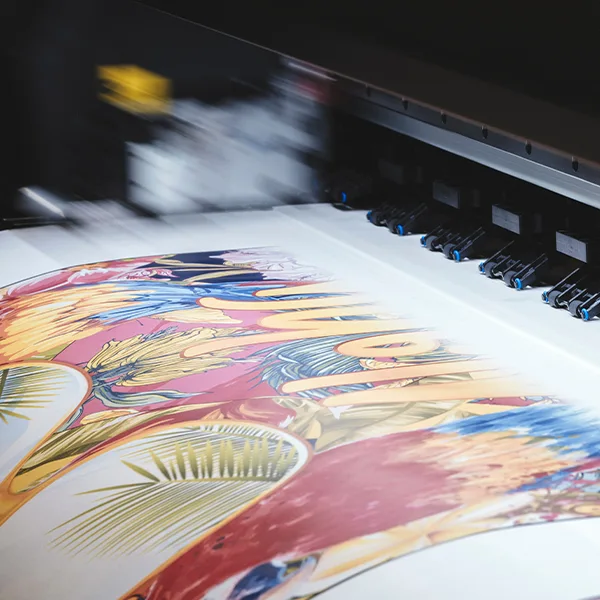
Der Digitaldruck ist die führende Technik für die Produktion kleinerer Auflagen und individueller Papierschachteln, bietet eine schnelle Abwicklung, niedrige Mindestbestellmengen, und hochwertig, Variable Designs zu wettbewerbsfähigen Kosten.
Aus unserer Erfahrung heraus unterstützen wir globale Marken, Der Digitaldruck hat die Herangehensweise von Unternehmen an Verpackungen in Kleinauflagen verändert, saisonale Kampagnen, und Rapid Prototyping. Seine Agilität ermöglicht es Marken, mit den sich schnell ändernden Marktanforderungen Schritt zu halten, ohne Abstriche bei der Qualität zu machen.
Marktübersicht und Schlüsselkennzahlen
| 📊 Metrisch | Wert / Vergleich |
|---|---|
| 🚀 Marktgröße für digitale Verpackungen | $20.6 Milliarde von 2025 → $33.8 Milliarde von 2035, CAGR 5.1% |
| 📦 Marktanteil | Digitaldruck bei 15% der Etikettenverkäufe, 4.1% aller bedruckten Verpackungen in 2025 |
| ✅ MOQ-Flexibilität | So niedrig wie 1 Einheit vs 1,000+ für Offset |
| 🚀 Bearbeitungsgeschwindigkeit | 1–3 Tage vs 7–14 Tage für Offset |
| 💰 Einrichtungskosten | $0–50 $ vs. Offsets $300– 1.000 $+ |
| 📷 Auflösungsfähigkeit | Überschreitet 1,200 dpi auf verschiedenen Untergründen |
Vorteile und Anwendungen des Digitaldrucks
- Kostengünstige Kleinserienproduktion – perfekt für Prototypen, saisonale Verpackung, und limitierte Editionen.
- Unterstützt unbegrenzte variable Daten und Personalisierung – für mehrere SKUs, Sprachen, und regionale Versionen.
- Es ist keine Platte oder langwierige Einrichtung erforderlich – was schnelle Designänderungen und eine bedarfsgerechte Fertigung ermöglicht.
- Reduziert Lagerverschwendung – steht im Einklang mit Nachhaltigkeit, Just-in-Time-Produktionsziele.
- Funktioniert auf einer Vielzahl von Substraten – von gestrichenem bis ungestrichenem Karton.
Diese Vorteile machen den Digitaldruck besonders attraktiv für E-Commerce- und Boutique-Marken, die Flexibilität suchen, ohne sich zu sehr auf große Lagerbestände festzulegen.
Kritische Perspektive und Überlegungen
- Moderne Druckmaschinen erreichen oder übertreffen die analoge Auflösung, überkommen 1,200 dpi.
- Die Kosten pro Einheit können bei sehr großen Auflagen höher sein – der Wegfall der Einrichtungsgebühren senkt jedoch die Gesamtkosten für kleine bis mittlere Aufträge.
- Einige erweiterte Veredelungen und Verzierungen sind nur begrenzt kompatibel – erkundigen Sie sich bei Ihrem Druckanbieter.
- Am besten geeignet für Marken, die Wert auf Geschwindigkeit legen, Flexibilität, und SKU-Vielfalt gegenüber den niedrigsten Kosten für große Mengen.
Nach unserer Erfahrung bei Baili Paper Packaging, Diese Überlegungen bestimmen die Technologieauswahl für jedes Kundenprojekt, Sicherstellen, dass jeder Verpackungszyklus mit den strategischen Zielen übereinstimmt.
Stärken Sie Ihre Marke mit maßgeschneiderten umweltfreundlichen Verpackungen
Arbeiten Sie mit Baili zusammen, um maßgeschneiderte Produkte zu erstellen, nachhaltige Papierschachteln, die die Produktattraktivität steigern und die Werte Ihrer Marke unterstützen. Erleben Sie einen nahtlosen Service vom Design bis zur Lieferung mit der Unterstützung von 15+ jahrelange Branchenexpertise.
Flexodruck
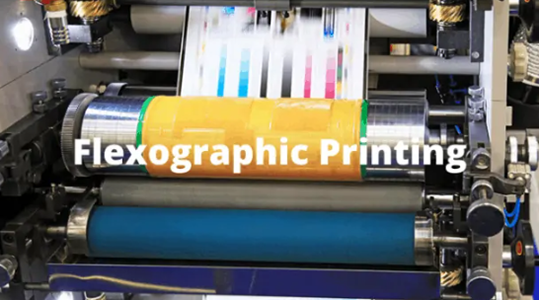
Der Flexodruck bleibt die vorherrschende Drucktechnik für Versandkartons und Wellpappverpackungen, Buchhaltung 64% des weltweiten Flexodruckumsatzes in 2024 aufgrund seiner hohen Geschwindigkeit, kostengünstige Produktion und Vielseitigkeit auf allen Substraten.
Unserer Erfahrung nach, Der Flexodruck ist seit langem weltweit das Rückgrat großvolumiger Karton- und Wellpappendruckereien. Es bietet eine unübertroffene Geschwindigkeitskombination, Anpassungsfähigkeit, und Kosteneffizienz, die es an der Spitze des Marktes halten.
Marktübersicht und Eckdaten
Die Marktzahlen unterstreichen die Größe und Ausdauer des Flexodrucks. Die Nachfrage ist weiterhin stark, da die Industrie weiterhin auf dieses Verfahren für Versand- und Transportverpackungen setzt.
| 📊 Metrisch | Wert |
|---|---|
| Globaler Marktwert für Flexodruck (2024) | $230.5 Milliarde |
| CAGR des Flexodruckmarktes (2025–2029) | 🚀 3.0% |
| Marktwert von Flexodruckmaschinen (2025) | $1.352 Milliarde |
| Flexodruckmaschine CAGR (2019–2033) | 🚀 5.2% |
| Marktwert von Flexodruckfarben (2025) | $14.2 Milliarde |
| Anteil der Wellpappe am Flexo-Umsatz (2024) | 64% |
| Anteil flexibler Verpackungen am Flexo-Umsatz (2024) | 31.1% |
| Regionaler Anteil am Markt für Flexodruckmaschinen (2024) | 🌎 Nordamerika 40%, Europa 30%, Asien-Pazifik 23% |
Warum sich der Flexodruck für Versandkartons auszeichnet
Der Flexodruck bietet messbare Vorteile für Versandkartons aus Wellpappe, vor allem dort, wo konsistent, Großserienproduktion ist unerlässlich. Es lässt sich nahtlos in moderne B2B-Fertigungslinien integrieren.
- Hohe Geschwindigkeit, Die Produktion hoher Volumina auf Wellpappensubstraten unterstützt schnelle Logistik- und E-Commerce-Lieferketten.
- Kostengünstige Auflagen dank effizientem Tintenverbrauch und Kompatibilität mit wasserbasierten Tinten, umweltfreundliche Formeln.
- Vielseitigkeit auf allen Substraten, einschließlich Kraftpapier, beschichtete Liner, und recyceltem Karton.
- Reibungslose Integration mit automatisierten Endbearbeitungs- und Stanzprozessen für eine optimierte Produktion.
- Optimiert für große Standardmengen statt für Kleinauflagen oder stark angepasste Grafiken.
Herausforderungen und Branchenperspektiven
Einige Marktbeobachter sehen im Digitaldruck einen möglichen Ersatz für den Flexodruck, Aber Volumendaten erzählen eine andere Geschichte. Aktuelle Schätzungen gehen von digitalen Verpackungen aus 1.3% nach Volumen.
- Dank seiner Skalierbarkeit und Automatisierung ist der Flexodruck für die Produktion von Versandkartons in großen Mengen dominant.
- Der Digitaldruck gewinnt im Kleinauflagenbereich an Bedeutung, hochgradig individuelle Verpackung, bleibt aber eine Nische für Logistikkartons aus Wellpappe.
- Analysten gehen davon aus, dass der Flexodruck weiterhin die bevorzugte Methode für den Versand von Kartons sein wird 2026 und darüber hinaus.
Jenseits des Druckens: UV, Folie, Prägung, Laminierung
Erstklassige Druckveredelung wie UV-Beschichtung, Folienstempel, Prägung, und Laminierung steigern den wahrgenommenen Wert und die Haltbarkeit von Papierschachtelverpackungen, Jedes bietet unterschiedliche visuelle und taktile Effekte, Kostenprofile, und Produktionsanforderungen.
Unserer Erfahrung nach, Hochwertige Veredelungstechniken sorgen nicht nur für ein hochwertiges Gefühl, sondern verbessern auch die Langlebigkeit der Verpackung. Die richtige Kombination von Oberflächen kann einfache Schachteln in markenprägende Vermögenswerte verwandeln.
Übersicht über beliebte Druckveredelungen
- UV -Beschichtung fügt einen Glanz hinzu, Schutzschicht, die die Optik und Kratzfestigkeit erhöht, besonders wirkungsvoll in Kombination mit einer matten Laminierung für den Kontrast.
- Folienprägung umfasst Heiß- und Kaltfolienmethoden, Hinzufügen von metallischen oder holografischen Effekten, die Luxus signalisieren und Vorteile bei der Fälschungssicherheit bieten.
- Prägung Erzeugt erhabene Texturen für fühlbares Branding und wird oft mit Folie oder UV-Licht kombiniert, um eine maximale Wirkung zu erzielen.
- Laminierung Optionen wie Matt, Glanz, und Soft-Touch schützen die Verpackung und verbessern gleichzeitig die Verarbeitung.
Marktdaten und Produktionseinblicke
| Metrisch | Wert / Trend |
|---|---|
| Heißfolienprägeanteil | 41.89% der Prägung & Markt für Folienprägegeräte (2024) |
| Wachstum bei der digitalen Folienprägung | CAGR 8.13% (2025–2030) |
| Prognose der Marktgröße | USD 5.39 Milliarde In 2025 |
| Verpackung & Kennzeichnung der Endverwendung | 45.76% des Marktanteils (2024) |
| Auswirkungen der Heißfolienprägung auf die Produktion | Erfordert hohe Temperatur & Druck – höherer Energieverbrauch, mehr Rüstabfall im Vergleich zu Kaltfolie & UV |
| Digitale Folie & Spot-UV-Effizienz | Schnellere Geschwindigkeit, geringere Materialverschwendung |
| Automatisierung in der Endbearbeitung | Vollautomatische Systeme nehmen zu 8.21% CAGR |
Kombination von Oberflächen für Schlagkraft und Haltbarkeit
- Die Verwendung von Spot-UV über einer matten Laminierung oder Folie verbessert den visuellen Kontrast und die Haltbarkeit.
- Prägungen in Kombination mit Spot-UV erzeugen luxuriöse haptische Effekte, die die Markenwahrnehmung in den Regalen steigern.
- Das Anbringen mehrerer Oberflächen kann den Verpackungsaufwand erhöhen, aber auch die Lieferzeiten und Mindestbestellmengen verlängern.
- Digitale und UV-basierte Veredelungsmethoden unterstützen kleinere Auflagen und erfüllen Personalisierungsanforderungen durch schnelle Einrichtung.
Kritische Perspektiven zu Kosten und Nachhaltigkeit
- Nicht alle Veredelungen bieten die gleiche Nachhaltigkeit – Heißfolienprägung und Prägung haben einen höheren Energieverbrauch und höhere Einrichtungskosten.
- Digitale Folien- und UV-Veredelungen bieten nachhaltigere Optionen mit schnellerer Abwicklung und weniger Abfall.
- Komplexe mehrstufige Veredelungsprozesse können die Flexibilität bei kleineren Aufträgen einschränken.
- Branchentrends begünstigen Automatisierung und digitale Endbearbeitung aus Gründen der Umweltfreundlichkeit und Individualisierung.
Die besten Drucktechniken für atemberaubende Papierschachteln
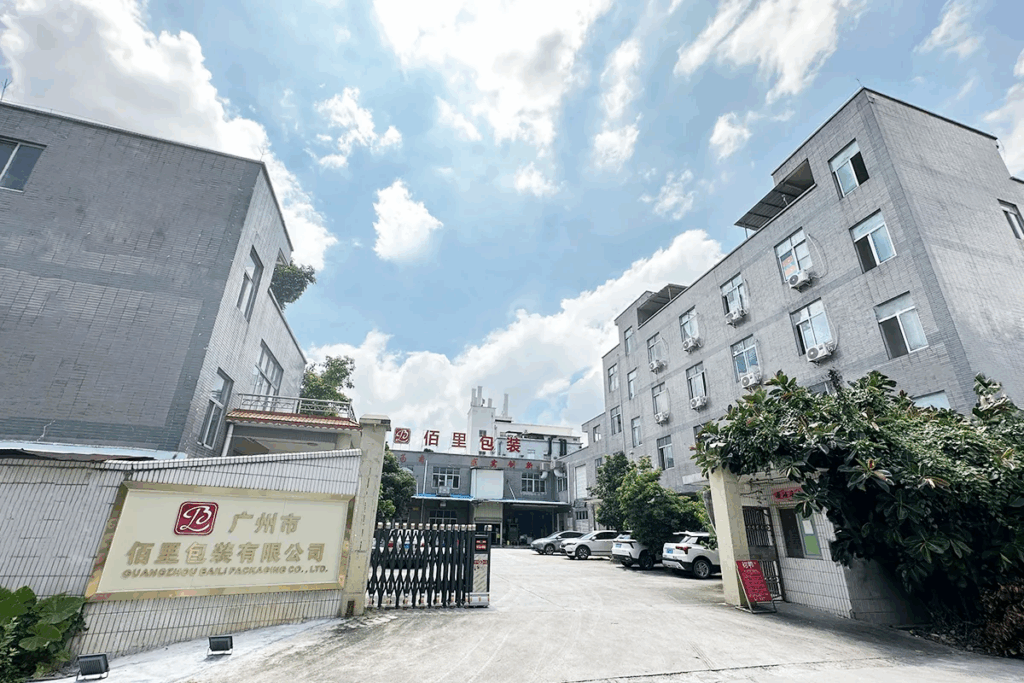
Arbeiten Sie mit uns zusammen
Das Portfolio des Unternehmens umfasst OEM, ODM, Und Private-Label-Dienstleistungen, Unterstützung in jeder Phase vom Konzeptentwurf bis zum internationalen Versand. Baili integriert ISO9001- und FSC-zertifizierte Materialien in die Produktion, Unterstützt durch umweltfreundliche Praktiken wie wasserbasierte Tinten und plastikfreie Verpackungen. Dieses Engagement spricht Marken an, die eine nachhaltige Beschaffung ohne Kompromisse bei der Qualität anstreben.
Zur Steigerung der Markenpräsenz, Baili bietet hochwertige Veredelungen wie Prägungen an, Folienstempel, und Spot-UV. Diese Effekte erhöhen die Wirkung des Designs und sorgen gleichzeitig für Haltbarkeit und Konsistenz. Gepaart mit schnellem Prototyping und zuverlässiger Bemusterung, Bailis Fähigkeiten erfüllen die schnelllebigen Anforderungen von E-Commerce-Unternehmen und Produkteinführungen, bei denen Aktualität und Präsentation am wichtigsten sind.
Wichtige Informationen:
- 📍 Standort: China
- 🏭 Hauptprodukte: Starre Boxen, Klappkartons, Kraftboxen, Versandtaschen aus Wellpappe, Papiertüten
- 🛒 Hauptmärkte: Startups, Private-Label-Marken, E-Commerce
Vorteile & Nachteile:
| Was wir lieben | Dinge, die es zu beachten gilt |
|---|---|
|
|
FAQs zum Drucken von Papierschachteln
Ist der UV-Druck umweltfreundlich??
Beim UV-Druck werden Tinten mithilfe von ultraviolettem Licht sofort ausgehärtet, Reduzierung der Emissionen im Vergleich zu lösungsmittelbasierten Verfahren. Unserer Erfahrung nach, wenn gepaart mit VOC-arm und biologisch abbaubare Tinten, Es kann mit umweltbewussten Verpackungszielen in Einklang gebracht werden.
Jedoch, Die Recyclingfähigkeit UV-bedruckter Oberflächen hängt vom verwendeten Substrat und den verwendeten Beschichtungen ab. Die Wahl von FSC-zertifiziertem Papiermaterial und wasserbasierten Beschichtungen kann die Nachhaltigkeitsergebnisse verbessern.
Welcher Druck ergibt die schärfsten Farben??
Für hochauflösende Grafiken, Offset-Lithographie in Kombination mit CMYK- und Pantone-Sonderfarben sorgt für außergewöhnliche Schärfe und präzise Markentöne. Auch für Kleinauflagen eignet sich der Digitaldruck, Erzielung feiner Details bei 300–1200 dpi.
Wir empfehlen eine konsistente Farbkalibrierung über alle Produktionschargen hinweg, um eine einwandfreie Wiederholbarkeit zu gewährleisten, insbesondere für Luxus- und Einzelhandelsmarken.
Was ist die beste Wahl für kurze Läufe??
Der Digitaldruck bietet schnelle Durchlaufzeiten und Kosteneffizienz für Mengen unter 500 Einheiten. Es vermeidet Kosten für die Plattenherstellung und unterstützt den variablen Datendruck für personalisierte Verpackungen.
Dieser Ansatz ist ideal für E-Commerce-Einführungen, saisonale Aktionen, und Testmarketing, bei dem Geschwindigkeit und Flexibilität entscheidend sind.
Kann ich Folie und Prägung kombinieren??
Ja ✅ – Heißfolienprägung und -prägung können nacheinander angewendet werden, um sowohl metallischen Glanz als auch fühlbare Tiefe zu verleihen. Diese Kombination eignet sich gut für hochwertige Akzente wie Logos oder Produktnamen.
Für eine optimale Eindrucktiefe und Folienhaftung empfehlen wir die Verwendung von starrem Karton, Gewährleistung der Haltbarkeit bei Transport und Handhabung.
Welchen Einfluss haben Beschichtungen auf die Recyclingfähigkeit??
Beschichtungen wie Matt- oder Glanzlaminierung können die Faserrückgewinnung beim Recycling behindern, wenn sie Kunststofffolien enthalten. Wasserbasierte Lacke oder biologisch abbaubare Beschichtungen sorgen für die Lebendigkeit des Drucks und bewahren gleichzeitig die Recyclingfähigkeit.
Für nachhaltige Projekte, Wir empfehlen, PE-Laminate zu vermeiden und sich für kompostierbare Barriereschichten zu entscheiden, um die Umweltstandards zu erfüllen.
Letzte Gedanken
Papierkiste Der Erfolg beim Drucken hängt von der Auswahl der richtigen Technik für Ihren Produktionsumfang ab, Designbedürfnisse, und Markenpositionierung. Der Offsetdruck bietet eine unübertroffene Konsistenz bei Großaufträgen, Der Digitaldruck ermöglicht flexible Kleinauflagen und individuelle Anpassungen, und der Flexodruck bietet kostengünstige Geschwindigkeit für den Versand von Kartons. Strategischer Einsatz von Veredelungen wie UV, Folie, und die Prägung sorgt dafür, dass jedes Stück Qualität kommuniziert und die Markenidentität stärkt.
Durch die Zusammenarbeit mit einem erfahrenen Verpackungspartner kann dieser Auswahlprozess optimiert werden, hilft Ihnen, die Konsistenz aufrechtzuerhalten, Abfall reduzieren, und beschleunigen Sie die Markteinführung – entscheidende Vorteile in einer wettbewerbsintensiven Verpackungslandschaft.
Bailipack , ein führender Hersteller von kundenspezifischen Papierschachtelverpackungen in China, bietet hohe Qualität, innovativ, und nachhaltige Verpackungslösungen für globale Marken in verschiedenen Branchen wie der Kosmetik, Elektronik, Essen, und persönliche Betreuung. Kommen Sie und finden Sie uns!