Bei der Verpackung geht es nicht nur um Schutz, sondern auch um Präsentation, Nachhaltigkeit, und Leistung. Auf dem heutigen Markt, wo den Verbrauchern sowohl Qualität als auch Umweltauswirkungen am Herzen liegen, Die Wahl des richtigen Kunststoffmaterials ist wichtiger denn je. Unter der großen Auswahl an verfügbaren Materialien, PET und PVC sind zwei der am häufigsten verwendeten Optionen in der Verpackungsindustrie.
Jeder hat einzigartige Stärken, Anwendungen, und Herausforderungen. Das Verständnis ihrer Unterschiede kann Marken dabei helfen, fundierte Entscheidungen zu treffen, die das Erscheinungsbild des Produkts verbessern, sorgen für Sicherheit, und unterstützen umweltfreundliche Ziele. Lassen Sie uns diese beiden Materialien eingehend untersuchen, um herauszufinden, welches für Ihre Verpackungsanforderungen am besten geeignet ist.
| Besonderheit | HAUSTIER (Polyethylenterephthalat) | PVC (Polyvinylchlorid) |
| Vollständiger Name / Bedeutung | Wofür steht PET bei Kunststoff?: Polyethylenterephthalat | Woraus besteht PVC?: Polyvinylchloridharz, abgeleitet aus Vinylchloridmonomeren |
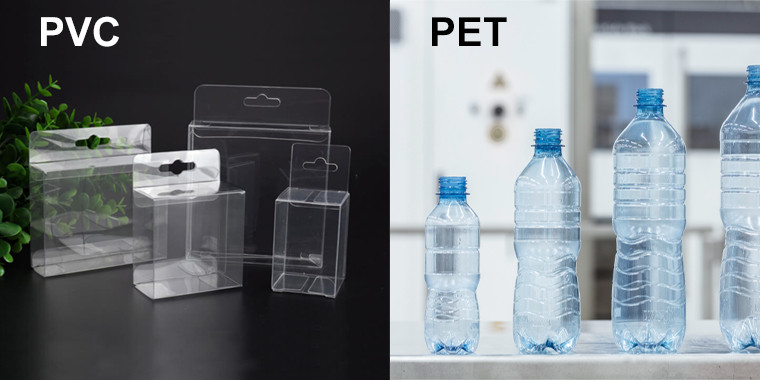
| Klarheit & Aussehen | Hervorragende Transparenz und Glanz; Ideal für Klarsichtverpackungen | Weniger transparent; kann eine leichte Tönung aufweisen |
| Haltbarkeit | Starke Schlagfestigkeit, leicht | Starr, kann aber mit der Zeit spröde werden |
| Recyclingfähigkeit | Weitgehend recycelbar; umweltfreundlichere Option | Schwer zu recyceln; kann bei der Verarbeitung Giftstoffe freisetzen |
| Kosten | Etwas höher, aber langfristig nachhaltig | Geringere Vorabkosten, aber weniger umweltfreundlich |
| Anwendungen | Getränkeflaschen, Lebensmittelbehälter, flexibles Verpackungsmaterial | Blisterpackungen, Schrumpffolien, pharmazeutische Tabletts |
Was sind PET? (Polyethylenterephthalat) und PVC (Polyvinylchlorid)?
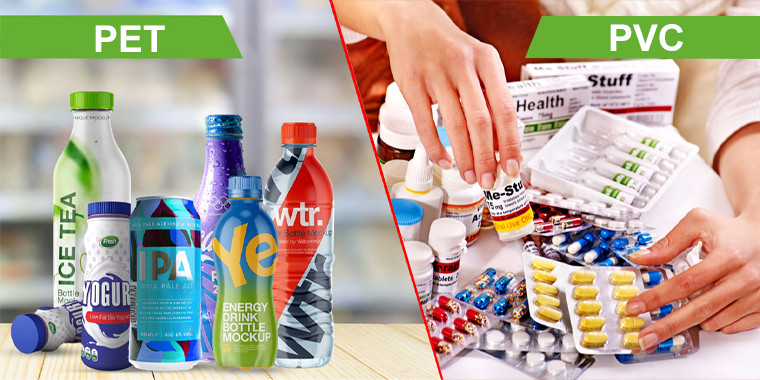
PET Erklären
Wenn es um Plastikverpackungen geht, Den Begriff PET hört man oft – aber wofür steht PET bei Kunststoff?? Es steht für Polyethylenterephthalat, ein starker, leicht, und transparentes Polyestermaterial. PET erfreut sich in Branchen wie der Lebensmittel- und Getränkeindustrie enormer Beliebtheit Kosmetika und Arzneimittel.
- Hohe Transparenz und Glanz
PET bietet kristallklare Sicht, Marken können ihre Produkte attraktiv präsentieren. Diese optische Klarheit erhöht die Attraktivität im Regal und ermöglicht den Verbrauchern eine bessere Sicht auf den Inhalt.
- Haltbarkeit und Schlagfestigkeit
Obwohl es leicht ist, PET ist extrem robust. Es widersteht Stößen und bricht oder zerbricht nicht so leicht, Gewährleistung eines sicheren Transports und einer sicheren Handhabung.
- Barriereschutz
PET bietet einen hervorragenden Schutz gegen Gase und Feuchtigkeit, was für die Erhaltung der Frische unerlässlich ist, insbesondere für Speisen und Getränke.
- Recyclingfähigkeit
PET ist weltweit einer der am besten recycelbaren Kunststoffe, und recyceltes PET (rPET) wird in der Kleidung verwendet, Behälter, und neue Verpackung – eine umweltbewusste Entscheidung.
PVC Erklären
PVC, Abkürzung für Polyvinylchlorid, ist ein weiterer weit verbreiteter Verpackungskunststoff, der für seine Vielseitigkeit bekannt ist. Aber woraus besteht PVC?? Es wird aus Vinylchloridmonomeren hergestellt, die aus Erdöl und Salz gewonnen werden. Abhängig von der Formulierung, PVC kann starr oder flexibel sein, Wir bedienen sowohl den Industrie- als auch den Verbraucherverpackungsbedarf.
- Vielseitigkeit in der Form
PVC kann für haltbare Behälter starr oder für Folien und Verpackungen flexibel hergestellt werden. Diese Anpassungsfähigkeit macht es ideal für verschiedene Verpackungsarten.
- Chemikalien- und Ölbeständigkeit
PVC ist beständig gegen viele Säuren und Öle, bietet stabilen Schutz für Non-Food-Produkte.
- Erschwinglichkeit
Die Herstellung ist kostengünstig, Deshalb bleibt es in kostensensiblen Verpackungssegmenten eine beliebte Option.
- Mäßige Transparenz
Allerdings nicht so klar wie PET, PVC bietet immer noch eine ausreichende Sichtbarkeit für Produkte wie Blisterverpackungen oder Muschelschalen.
Häufige Anwendungen in der Verpackungsindustrie
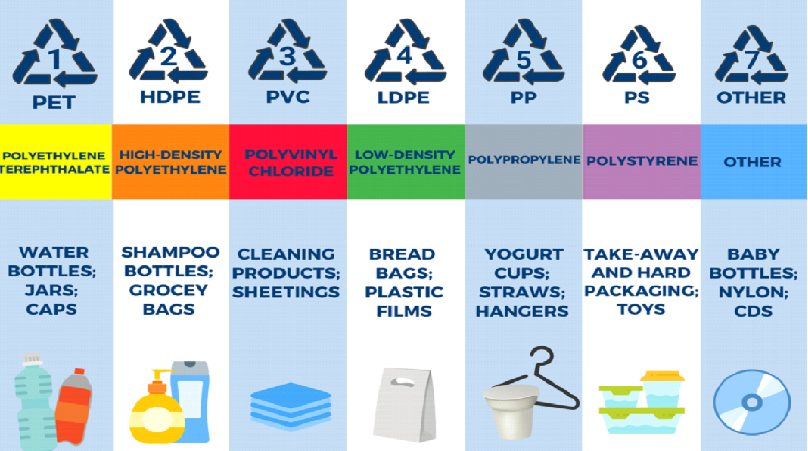
Sowohl PET als auch PVC werden in modernen Verpackungen häufig verwendet, Ihre Anwendungen unterscheiden sich jedoch je nach Leistungsanforderungen.
- PET-Anwendungen: Getränkeflaschen, Lebensmittelbehälter, klare Tabletts, Kosmetikdosen, und pharmazeutische Blisterverpackungen.
- PVC-Anwendungen: Schrumpffolien, Blisterverpackungen für Elektronik oder Werkzeuge, flexible Beutel, und medizinische Schläuche.
- Neue Trends: PET erfreut sich bei nachhaltigen Verpackungsprojekten zunehmender Beliebtheit, während PVC weiterhin Branchen mit Bedarf bedient flexible Verpackungsmaterialien für formschlüssigen Schutz.
Hauptunterschiede zwischen PET und PVC
Physikalische und mechanische Eigenschaften
- HAUSTIER: Bekannt für sein hohes Verhältnis von Festigkeit zu Gewicht, PET ist leicht und dennoch äußerst schlagfest. Seine Steifigkeit sorgt für Stabilität auch bei dünnwandigen Verpackungsdesigns.
- PVC: Im Allgemeinen dichter und schwerer als PET. Es bietet eine ordentliche Festigkeit, ist jedoch anfälliger für Risse unter extremem Druck oder in kalten Umgebungen.
- Vergleichseinblick: Für Marken, die Wert auf Haltbarkeit und reduziertes Versandgewicht legen, PET ist in der Regel besser als PVC.
Transparenz und Aussehen
- HAUSTIER: Bietet überragende Klarheit und Glanz, Produkten eine Prämie verleihen, glasartiges Aussehen. Dies macht es zur bevorzugten Wahl für Kosmetik- und Getränkeverpackungen.
- PVC: Während transparent, Es neigt dazu, mit der Zeit oder bei Hitzeeinwirkung leicht zu vergilben. Dies kann die Gesamtästhetik beeinträchtigen, insbesondere für Produkte mit langer Haltbarkeit.
- Urteil: PET überzeugt in puncto optischer Attraktivität und langfristiger Klarheit.
Haltbarkeit und Stärke
- HAUSTIER: Seine Zähigkeit macht es stoßfest, Risse, und Verformung während der Handhabung oder des Transports.
- PVC: Obwohl ziemlich stark, Flexible PVC-Versionen können sich bei starker Belastung oder Hitze dehnen oder verziehen.
- In der Praxis: PET eignet sich besser für Verpackungen, die häufig gehandhabt werden müssen, wie Getränkeflaschen oder Behälter in Reisegröße.
Kostenüberlegungen
- PVC: Bietet niedrigere Produktionskosten, Dies ist für Hersteller interessant, die mit großen Stückzahlen und knappen Budgets arbeiten.
- HAUSTIER: Aufgrund des Raffinierungs- und Recyclingprozesses sind die Kosten etwas höher, Aber es bietet langfristige Einsparungen durch Recyclingfähigkeit und Haltbarkeit.
- Abschluss: PVC kann von vornherein günstiger sein, Aber PET bietet qualitätsbewussten und nachhaltigen Marken insgesamt einen besseren Mehrwert.
Umweltauswirkungen von PET vs. PVC
Recyclingfähigkeit von PET-Verpackungen
- Globale Recyclingkompatibilität
PET wird in den meisten Recyclingprogrammen weltweit akzeptiert. Recyceltes PET (rPET) kann zu Fasern weiterverarbeitet werden, Verpackung, oder sogar neue Flaschen.
- Energieeffizienz
Das Recycling von PET erfordert weniger Energie als die Herstellung von Neukunststoff, Reduzierung der CO2-Emissionen.
- Markennutzen
Der Einsatz von PET steht im Einklang mit Nachhaltigkeitszielen, Ansprechend für umweltbewusste Verbraucher.
Nachhaltigkeit und Umweltfreundlichkeit
- HAUSTIER: Ungiftig, leicht, und recycelbar – PET unterstützt Kreislaufwirtschaftsmodelle und trägt zu geringeren Transportemissionen bei.
- PVC: Aufgrund der chemischen Zusammensetzung und der geringeren Recyclingfähigkeit weniger nachhaltig.
- Öko-Urteil: PET ist klarer Marktführer für Marken, die sich für umweltfreundliche Verpackungslösungen einsetzen.
Auswahl des richtigen Materials für Ihre Verpackungsanforderungen
Zu berücksichtigende Faktoren (Kosten, Leistung, Marktanforderungen)
Bei der Wahl zwischen PET und PVC, Marken sollten bewerten:
- Budget: PET hat höhere Vorlaufkosten, bietet aber durch die Recyclingfähigkeit langfristige Einsparungen.
- Produkttyp: Zum Essen, Getränke, oder Kosmetika, PET sorgt für mehr Sicherheit und Regalattraktivität.
- Marktwahrnehmung: Verbraucher achten zunehmend auf umweltfreundliche Verpackungen – die Entscheidung für PET unterstützt ein positives Markenimage.
Wenn PET die bessere Wahl ist
- Für Transparenz und Ästhetik: Die hohe Klarheit von PET verbessert die visuelle Präsentation.
- Für Lebensmittel- und Getränkeverpackungen: Zugelassen für den direkten Lebensmittelkontakt mit starken Barriereeigenschaften.
- Für nachhaltiges Branding: Recycelbar und energieeffizient, im Einklang mit modernen umweltbewussten Trends.
Wenn PVC die bessere Wahl ist
- Für kostensensible Projekte: PVC bietet niedrigere Produktionskosten für große Verpackungsserien.
- Für den industriellen Non-Food-Gebrauch: Ideal für Produkte, die flexible Verpackungsmaterialien erfordern, wie Werkzeuge, Drähte, oder medizinische Geräte.
- Für hohe Flexibilitätsanforderungen: Weich-PVC-Folien oder -Wickel eignen sich gut, wenn es auf Anpassungsfähigkeit ankommt.
Welcher Kunststoff eignet sich am besten für die Verpackung??
Der „beste“ Kunststoff hängt von Ihrem Produkttyp und Ihren Prioritäten ab:
- HAUSTIER ist ideal für Essen, Getränk, und Kosmetikverpackungen, weil sie leicht sind, sicher, transparent, und leicht recycelbar. Seine Vielseitigkeit ermöglicht außerdem sowohl starre als auch halbflexible Formen.
- PVC eignet sich besser für industrielle und Non-Food-Anwendungen, wo Flexibilität, chemische Beständigkeit, und niedrige Kosten sind der Schlüssel.
Jedoch, im heutigen nachhaltigkeitsorientierten Markt, PET gilt allgemein als die beste Wahl für Verpackungen mit ausgewogener Leistung, Recyclingfähigkeit, und optischer Reiz.
Abschluss: Eine fundierte Entscheidung treffen
Die Wahl zwischen PET- und PVC-Verpackungen hängt von Ihren Prioritäten ab. Wenn es Ihr Ziel ist, Klarheit zu erreichen, Recyclingfähigkeit, und Verbrauchervertrauen, PET ist Ihre beste Option. Es bietet eine hervorragende Haltbarkeit, brillante Transparenz, und orientiert sich an globalen Nachhaltigkeitsstandards. Auf der anderen Seite, PVC bleibt eine kostengünstige und vielseitige Wahl für bestimmte Non-Food- oder Industrieverpackungsanforderungen.
Auf dem heutigen umweltbewussten Markt, Die Auswahl von Materialien, die das Engagement Ihrer Marke für Nachhaltigkeit widerspiegeln, kann Ihnen einen Wettbewerbsvorteil verschaffen.
💡 Bereit, Ihre Verpackung mit Innovationen aufzuwerten, umweltfreundliche Materialien?
Entdecken Sie professionelle Verpackungslösungen aus Papier und Kunststoff unter bailipaperpackaging.com – wo hochwertiges Design auf Nachhaltigkeit und Markenwirkung trifft.