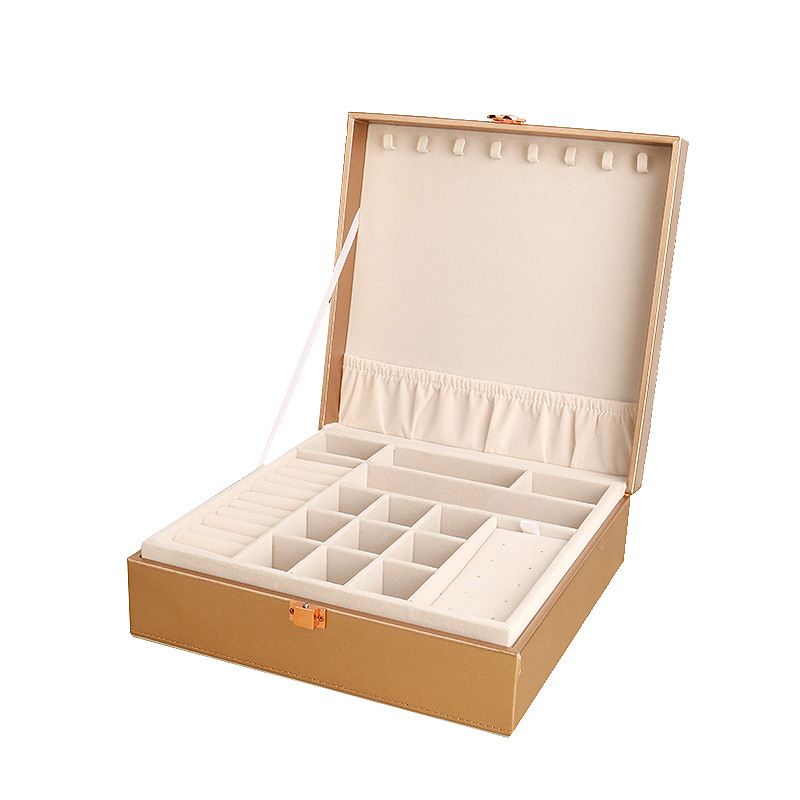
Unternehmer und Investoren, die den Papierschachtelsektor im Auge behalten, stehen vor der Herausforderung, den Kapitalanforderungen gerecht zu werden, Wettbewerbsdruck durch große etablierte Betreiber, und die globale Nachfrage verlagert sich hin zu nachhaltigen Lösungen. Märkte wie Indien und China wachsen schnell, Die richtige Positionierung kann Wachstum ermöglichen, das reife Regionen nicht mehr bieten.
Dieser Leitfaden behandelt die Auswahl Ihrer Nische, Strukturierung eines Geschäftsplans mit dem richtigen Produktions- oder Beschaffungsmodell, und die Gewinnung Ihrer ersten B2B-Kunden, Unterstützung von Brancheneinsteigern bei der Einführung eines Geschäft mit Pappschachteln das profitabel skaliert und gleichzeitig den modernen Verpackungsanforderungen gerecht wird.
Eine Schritt-für-Schritt-Anleitung zum Start Ihres Verpackungsunternehmens
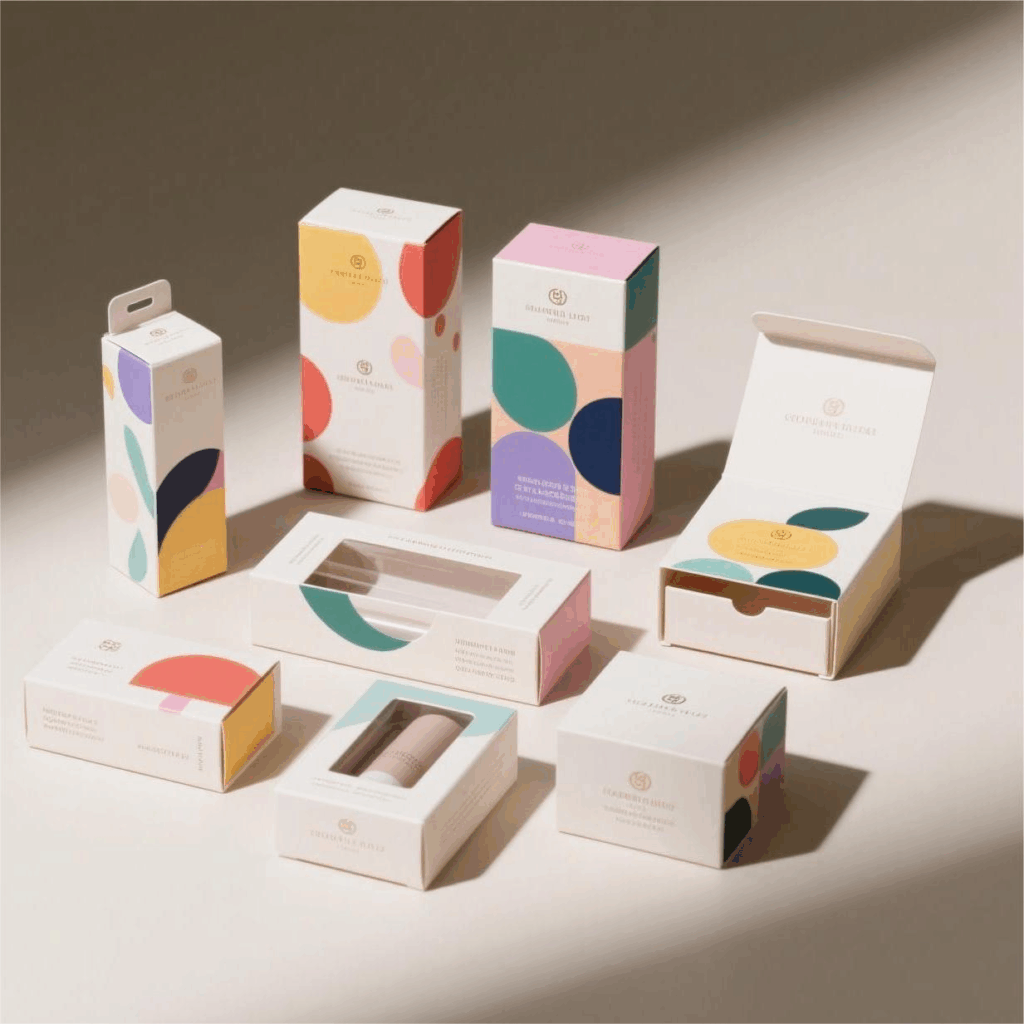
Die Gründung eines Verpackungsunternehmens erfordert im Allgemeinen eine Anfangsinvestition in Höhe von $560,000 Zu $1,550,000 für den Fertigungsaufbau, inklusive Ausrüstung, Einrichtungskosten, Rohstoffe, und Compliance. Kleinere Unternehmen, die sich auf Service oder Branding konzentrieren, können damit beginnen $500 Zu $5,000, Die vollständige Herstellung erfordert jedoch erhebliches Kapital.
Der Start eines Verpackungsproduktionsbetriebs erfordert umfangreiche Planung, Budgetierung, und Compliance-Arbeit. Unserer Erfahrung nach, Der Erfolg hängt von einer genauen Kostenprognose und der Fähigkeit ab, sich an Markttrends anzupassen.
Kritische Überlegungen für Startup-Verpackungsunternehmen
Die Produktionsausrüstung und die Einrichtung der Anlagen machen den größten Teil der Anfangskosten aus, oft übertreffen $500,000. Durch sorgfältige Lieferantenverhandlungen und Betriebsplanung können erhebliche Kapitaleinsparungen erzielt werden.
- Änderungen der Rohstoffpreise können sich auf die Gewinnmargen auswirken; Verfolgen Sie Markttrends und behalten Sie die Qualitätskontrolle bei.
- Aufrechterhaltung der vollständigen Einhaltung gesetzlicher Vorschriften, einschließlich Umweltgenehmigungen, kann den Ruf einer Marke verbessern.
- Servicebasierte Verpackungsmodelle können mit geringen Investitionen beginnen, aber die Produktion in großem Maßstab erfordert eine höhere Finanzierung.
- Verhandlung von Mietverträgen, Beschaffung gebrauchter Maschinen, und der Aufbau starker Lieferantenpartnerschaften kann die Kosten um bis zu senken 20%.
- Der Einsatz umweltfreundlicher Materialien und der Erhalt von Nachhaltigkeitszertifizierungen können Premium-Marktsegmente erschließen.
Langfristige Erfolgsfaktoren
Die Verpackungsindustrie ist hart umkämpft, Daher erfordert die langfristige Rentabilität mehr als nur die Deckung der Anlaufkosten. Strategische Initiativen sorgen dafür, dass Ihre Marke relevant und profitabel bleibt.
- Kontinuierliche Investitionen in Branding und Marketing stärken die Kundenbindung.
- Die Verbesserung der Prozesseffizienz sorgt für wettbewerbsfähige Preise bei gleichzeitiger Wahrung der Qualitätsstandards.
- Das Angebot nachhaltiger Verpackungslösungen entspricht den globalen regulatorischen Trends und der Verbrauchernachfrage.
- Bleiben Sie über Material- und Druckinnovationen auf dem Laufenden, steigern Sie die Produktattraktivität und Marktanpassungsfähigkeit.
Schritt 1: Finden Sie Ihre Nische (z.B., Umweltfreundlich, Luxus-E-Com, Lokales Essen)
Um Ihre Nische im Geschäft mit Papierschachteln zu finden, müssen Sie ein bestimmtes Marktsegment mit nachgewiesener Nachfrage und Wachstumspotenzial identifizieren. Die profitabelsten Nischen stehen im Einklang mit umfassenderen E-Commerce-Trends: umweltfreundliche Verpackung, personalisierte Lösungen, und spezialisierte Sektoren wie das Gesundheitswesen & Wellness, Essenslieferung, und Luxusgüter.
Bevor Sie ein Papierschachtelunternehmen starten, Wenn Sie sich auf einen klar definierten Markt konzentrieren, können Sie höhere Margen und gezieltes Wachstum erzielen. Unserer Erfahrung nach, Marken, die ihre Verpackungsstärken an der Marktnachfrage ausrichten, gelangen schneller vom Konzept zum Umsatz.
Wichtige Nischenkategorien und Marktdaten
| Kategorie | Markteinblick | Zielkunden |
|---|---|---|
| 🌱 Nachhaltige/umweltfreundliche Verpackung | Teil der $1+ Billion Markt für ethische Güter von 2025; 73% der Generation Z sind bereit, Prämien zu zahlen | Umweltbewusste Marken |
| 🎁 Personalisierte Verpackung | Unterstützt Premium-Preise; Individualisierung mit hohen Margen | E-Commerce, Geschenke, Luxusmarken |
| 🍱 Essen & Verpackung für die Essenslieferung | Boom nach der Pandemie mit Beschleunigung des E-Commerce | Essenssets und Lieferfirmen |
| 👗 Mode & Bekleidungsverpackung | $1,003.5 Milliarde E-Commerce-Markt von 2025 mit 14% Wachstum | Modehändler, Zubehör |
| 💊 Gesundheit & Wellness-Verpackung | Stetiges Wachstum in allen Bevölkerungsgruppen | Ergänzen, Wellness-Marken |
| 📚 E-Learning/Digitale Produktverpackung | $319.16 Milliarde Markt durch 2025; unterstützt hybrides Lernen | Bildungseinrichtungen, Kursersteller |
| 📦 Abonnement-Box-Verpackung | Wiederkehrendes Umsatzmodell mit wachsender Verbraucherakzeptanz | Kuratierte Schönheit, Snack, Fitnessdienstleistungen |
Strategische Positionierung für Papierschachtelunternehmen
- Nachhaltigkeit Winkel: Verwenden Sie recycelbare Materialien, kompostierbare Materialien mit minimalem Kunststoffanteil für Premium-Preise und geringeren Wettbewerb bei Öko-Verpackungen.
- Anpassung/Personalisierung: Bieten Sie maßgeschneiderte Designs an, Markenverpackung, und Print-on-Demand, um die Nachfrage nach personalisierten Verpackungen profitabel zu bedienen.
- Vertikale Integration: Konzentrieren Sie sich auf wachstumsstarke Sektoren wie Abonnementdienste, Essenslieferung, und Luxusmode mit speziellen Verpackungsspezifikationen und höherem Margenpotenzial.
Die Ausrichtung Ihrer Fertigungs- und Designkapazitäten auf spezifische Kundenprobleme ermöglicht einen stärkeren Markteintritt. Zum Beispiel, Bailis Fähigkeit Wenn es darum geht, sowohl niedrige Mindestbestellmengen als auch hochwertige Oberflächen zu bewältigen, kann sich ein Start-up als Premium-Unternehmen positionieren, nachhaltiger Anbieter vom ersten Tag an.
Kritische Überlegungen und häufige Missverständnisse
- Die Rentabilität einer Nische hängt von der Mindestbestellmenge und dem Umfang ab; Nachhaltige und personalisierte Kartons erfordern oft höhere Investitionen, erlauben es aber 20-40% Preisprämien.
- Nischen mit hohem Volumen wie Mode und Lebensmittellieferungen weisen geringere Margen auf, bieten aber vorhersehbare wiederkehrende Bestellungen.
- Behandeln umweltfreundlich als eigenständige Nische ist ein Missverständnis; Erfolg entsteht oft durch die Kombination von Nachhaltigkeit mit einem vertikalen Markt, wie zum Beispiel umweltfreundliche Abo-Boxen.
Bewerten Sie sowohl das Volumenpotenzial als auch den durchschnittlichen Bestellwert (AOV) bevor Sie Ressourcen binden. Unserer Erfahrung nach, Die Kombination vertikaler Relevanz mit einem starken Markenwert – wie Nachhaltigkeit oder Luxus – erzielt bei Verpackungsvorhaben die beste Rendite.
Schritt 2: Der Businessplan (Ausrüstungskosten vs. Beschaffungsmodell)
Die Entscheidung zwischen dem direkten Kauf von Ausrüstung und der Einführung eines Beschaffungsmodells für ein Papierschachtelgeschäft hängt von der Abwägung der anfänglichen Kapitalinvestitionen mit betrieblicher Flexibilität und langfristiger Kosteneffizienz ab. Der Kauf von Ausrüstung erfordert erhebliche Anfangsinvestitionen, kann aber im Laufe der Zeit die Stückkosten senken, Während die Beschaffung die Vorlaufkosten senkt, können die langfristigen Kosten aufgrund von Lieferantenaufschlägen jedoch steigen.
Bei der Entscheidung, wie man ein Geschäft mit Pappschachteln gründet, Eine der wichtigsten strategischen Entscheidungen besteht darin, in Ausrüstung zu investieren oder mit einem Beschaffungspartner zusammenzuarbeiten. Jede Option ist mit Kosten verbunden, Flexibilität, und betriebliche Auswirkungen, die die Rentabilität und das Wachstumspotenzial beeinflussen können.
Kostenvergleich: Ausrüstungskauf vs. Beschaffungsmodell
| Faktor | Kauf von Ausrüstung | Beschaffungsmodell |
|---|---|---|
| Vorabkosten | ❌ Hoch ($100,000–500.000 $+) | ✅ Gering bis gar nicht (Möglicherweise fallen Einrichtungsgebühren an) |
| Laufende Kosten | ✅ Niedriger pro Einheit nach der Gewinnschwelle | ❌ Höher pro Einheit aufgrund von Lieferantenaufschlägen |
| Wartung | ❌ Der Eigentümer übernimmt die Wartungskosten | ✅ Oft in den Lieferantengebühren enthalten |
| Flexibilität | ❌ Weniger flexibel bei der Skalierung | ✅ Einfachere Vergrößerung oder Verkleinerung |
| Auswirkungen auf den Cashflow | ❌ Großes Anfangskapital gebunden | ✅ Bewahrt das Betriebskapital |
| Qualitätskontrolle | ✅ Direkte Aufsicht über die Produktion | ❌ Verlässt sich auf die Qualitätsstandards der Lieferanten |
| Vorlaufzeit | ✅ Sofortige Eigenproduktion | ❌ Abhängig von den Lieferantenplänen |
| Beispiele | Leasing: $2,000–5.000 $/Monat Kaufen: $100,000–500.000 $ |
Beschaffung: $0.10– 0,25 $ pro Karton |
Kritische Perspektive auf Geräteeigentum vs. Beschaffung
Unserer Erfahrung nach, Viele Unternehmer unterschätzen die Gesamtbetriebskosten. Über den Kaufpreis hinaus, Es fallen laufende Kosten wie Wartung an, Personalschulung, Reparaturen, und Technologie-Updates.
Der Besitz von Ausrüstung kann zu niedrigeren Stückkosten führen, sobald das Produktionsvolumen einen hohen Schwellenwert erreicht, Es birgt jedoch auch Risiken im Zusammenhang mit Nachfrageschwankungen und veralteten Maschinen. Für Startups mit unsicherer Nachfrage oder knappen Budgets, Sourcing bietet Flexibilität und vermeidet große Vorabverpflichtungen.
Auf der anderen Seite, Unternehmen mit stetigem, Hohe Produktionsmengen und verfügbares Kapital profitieren oft vom Besitz von Ausrüstung. Es bietet eine stärkere Kontrolle über Qualität und Terminplanung, was sich langfristig in Kosteneinsparungen und Markenkonsistenz auszahlen kann.
Stärken Sie Ihre Marke mit individueller, nachhaltiger Verpackung
Arbeiten Sie mit Baili zusammen, um maßgeschneiderte Papierschachteln zu erstellen, die erstklassige Handwerkskunst mit umweltfreundlichen Materialien kombinieren. Erleben Sie nahtloses Design und Fertigung aus einer Hand, die Ihre Verpackungsvision zum Leben erweckt und gleichzeitig Ihre Nachhaltigkeitsziele unterstützt.
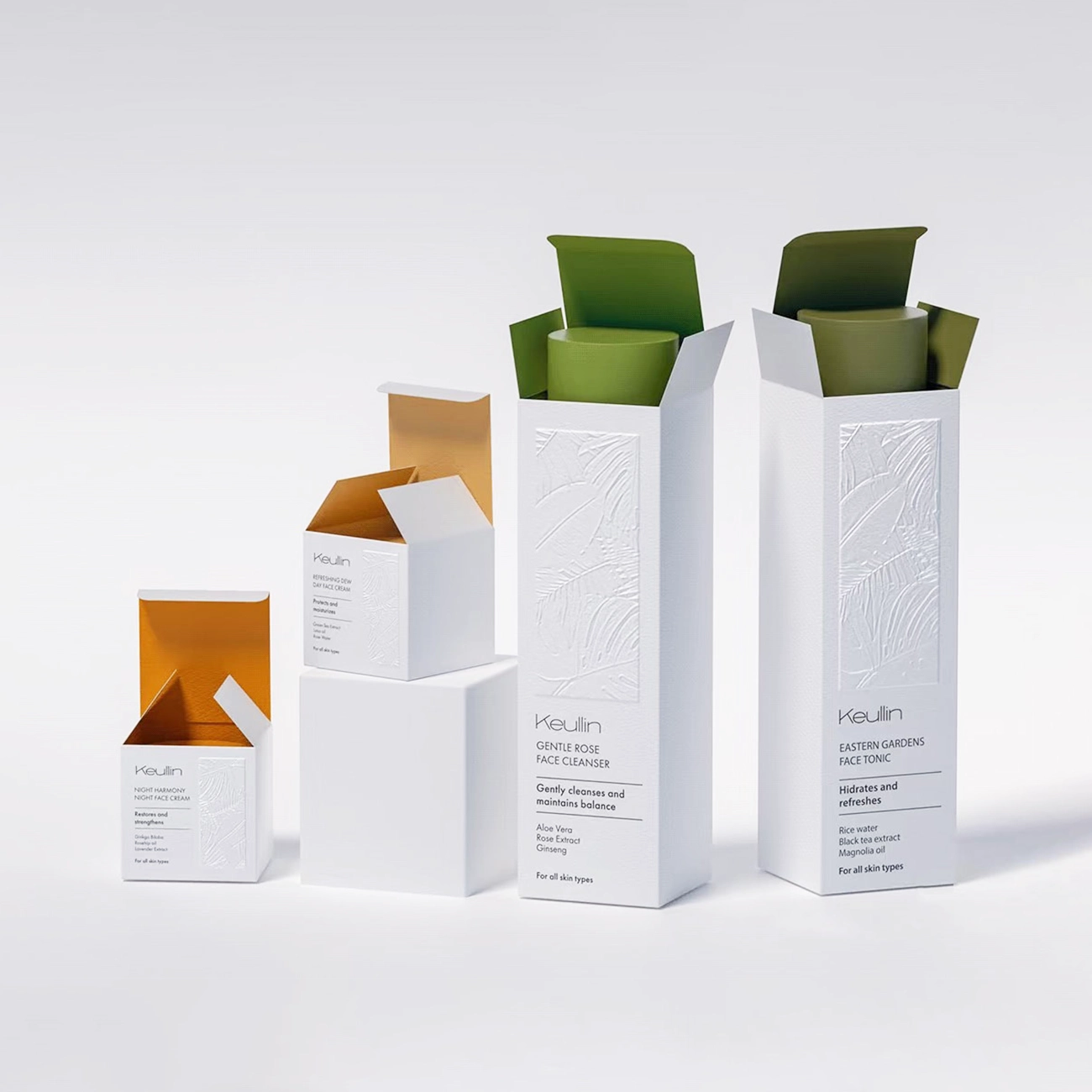
Schritt 3: Einrichten Ihrer Beschaffung oder Produktion (Maschinen vs. Fabrikpartner)
Unternehmer müssen entscheiden, ob sie in ihre eigenen Maschinen investieren oder mit Fabriklieferanten zusammenarbeiten. Die Eigenproduktion bietet mehr Kontrolle, erfordert jedoch hohe Vorlaufkosten und Wartungsaufwand, während Fabrikpartner eine schnellere Skalierung mit geringerem Kapital, aber weniger direkter Aufsicht ermöglichen.
Wenn Sie lernen, wie Sie den Geschäftsbetrieb mit Pappschachteln starten, In dieser Phase bestimmen strategische Entscheidungen die Produktionsflexibilität, Kostenstruktur, und langfristige Skalierbarkeit.
Kosten- und Betriebsvergleich
| Faktor | 🏭 Eigener Maschinenpark | 🤝 Fabrikpartner |
|---|---|---|
| Anfängliche Kapitalkosten | $100,000–500.000 $+ ❌ Hoch im Voraus | $0–10.000 $ ✅ Geringe Einbindung |
| Vorlaufzeit | 2–6 Monate ⚠️ Verzögerungen bei der Einrichtung | 2–4 Wochen 🚀 Schneller Start |
| Produktionskosten pro Einheit | $0.10– 0,25 $ ✅ Günstiger im Maßstab | $0.12– 0,30 $ ⚠️ Variable Preise |
| Mindestbestellmenge | Flexibel ✅ | 5,000–10.000 Einheiten ❌ Höhere Mindestbestellmenge |
| Qualitätskontrolle | Direkte Aufsicht ✅ | Audits erforderlich ⚠️ |
| Skalierbarkeit | Begrenzt durch die Kapazität ❌ | Hoch über mehrere Partner 🚀 |
| Arbeitsmanagement | Einstellung & Ausbildung ❌ | Intern abgewickelt ✅ |
| Risikoexposition | Hoch durch Ausfallzeit ⚠️ | Geteilt, Hauptstadt-Licht ✅ |
| Durchschnittliche Markteinführungszeit | 4–8 Monate ❌ Langsamer | 1–2 Monate 🚀 Schneller |
Die Kompromisse verstehen: Tiefer Einblick
Eigene Maschinen eignen sich am besten für Unternehmen mit stabilem Betrieb, große Nachfrage und das Kapital für den Bau und die Besetzung von Produktionslinien. Diese Konfigurationen ermöglichen eine genauere Kontrolle der Materialien, Zeitpläne, und Qualitätsprozesse.
Fabrikpartnerschaften, unserer Erfahrung nach, Bringen Sie Agilität für Markttests. Sie senken die Anfangsinvestition, bieten einen schnelleren Markteintritt, und vernetzen Sie mit vorhandenem Fertigungs-Know-how. Dieser Ansatz ist ideal für Startups, die sich über die prognostizierten Volumina nicht sicher sind.
- Missverständnisse: Viele unterschätzen die Komplexität der Maschineneinrichtung oder gehen davon aus, dass ein Wechsel der Fabrikpartner einfach ist.
- Experten schlagen oft vor, mit Fabrikpartnern zu beginnen, um Ihren Markt zu validieren, bevor Sie sich auf Maschinen festlegen.
- Flexibilität ist in einer Welt mit Kostenvolatilität und geopolitischen Veränderungen wichtig – eine diversifizierte Beschaffung kann Risiken abfedern.
Schritt 4: So finden Sie Ihre ersten B2B-Kunden
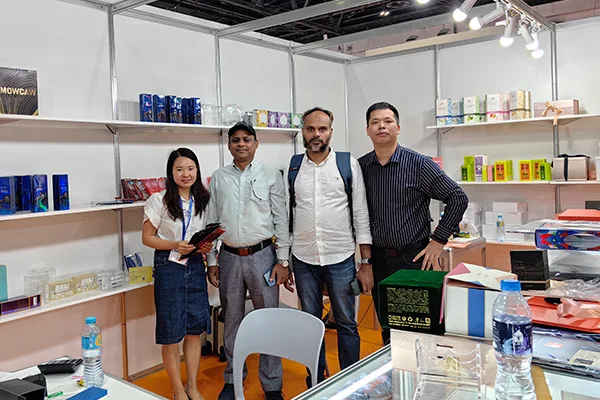
Um Ihre ersten B2B-Kunden in der zu finden Papierschachtel Geschäft in 2026, Priorisieren Sie die KI-gesteuerte Personalisierung, Multi-Channel-Reichweite, und datengestütztes Targeting, um Käufer mit hoher Kaufabsicht zu identifizieren und anzusprechen. Die traditionelle Massen-Kälteeinsätze sind mittlerweile weitgehend wirkungslos, Die Konzentration auf hochwertige Leads über koordinierte Kanäle steigert also das Engagement erheblich.
Um Ihre ersten Kunden im Geschäft mit Pappschachteln zu finden, ist eine Mischung aus intelligenter Zielgruppenausrichtung und konsequentem Engagement erforderlich. Unserer Erfahrung nach, Der erfolgreichste Ansatz vereint KI-Erkenntnisse, personalisierte Kommunikation, und koordinierte Kanalnutzung.
Der Wandel hin zur datengesteuerten Kundenakquise
B2B-Käufer erwarten eine maßgeschneiderte Kommunikation, Massen-Cold-E-Mails und allgemeine Kontaktaufnahme werden dadurch wirkungslos. KI-Tools können Absichtssignale in Echtzeit erkennen, Helfen Sie dabei, Interessenten zu identifizieren, bei denen die Wahrscheinlichkeit einer Conversion höher ist.
Effektive Multi-Channel-Outreach-Strategien
Durch die Koordinierung mehrerer Kanäle können Sie Käufer dort erreichen, wo sie am schnellsten reagieren. Die besten Vertriebsteams verwenden eine Mischung aus E-Mail, LinkedIn, und Telefonanrufe für konsistente Sichtbarkeit.
- Koordinieren Sie die Reichweite über drei bis fünf Kanäle, um eine maximale Reichweite zu erzielen
- Personalisieren Sie Nachrichten, um das Engagement zu steigern 74%, Erwartungen erfüllen 78% der Käufer
- Integrieren Sie SEO-optimiertes Content-Marketing, um eine zu erreichen 15% Schlusskurs, übertrifft Kaltakquise 2%
Tipp des Mentors: Wie man mit etablierten Giganten konkurriert
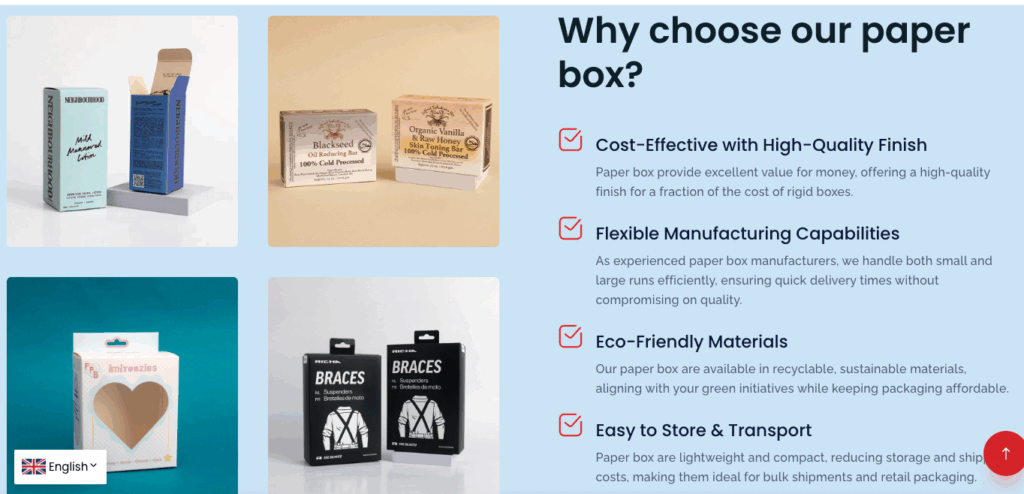
Startups können effektiv mit etablierten Giganten konkurrieren, indem sie sich auf ganz bestimmte Marktnischen konzentrieren, Nutzung eines tiefen Kundenverständnisses, und das Anbieten maßgeschneiderter Lösungen, mit denen große Wettbewerber nicht mithalten können. Dieser Ansatz führt zu einer höheren Kundenbindung, geringere Abwanderung, und schnelleres Wachstum, insbesondere in gesättigten Branchen.
Wenn man sich große Konkurrenten ansieht, die gesättigte Sektoren dominieren, Die Idee, gegeneinander anzutreten, mag riskant erscheinen. Unserer Erfahrung nach, Der beste Weg für junge Unternehmen, sich abzuheben, besteht darin, ihren Fokus einzugrenzen und gezielt Nischenzielgruppen zu bedienen.
Warum Nischenstrategien für die Widerstandsfähigkeit von Startups wichtig sind
Die Konzentration auf Nischenmärkte ist mehr als eine defensive Maßnahme – es ist ein bewährter Weg zum Wachstum. Diese Methode minimiert den verschwenderischen Wettbewerb mit größeren Playern und bietet gleichzeitig eine Plattform für Innovationen.
- Tiefes Marktverständnis ermöglicht eine präzise Produktpositionierung.
- Maßgeschneiderte Lösungen steigern das Engagement und die Markentreue.
- Kundenorientiertes Handeln schafft einen dauerhaften Wettbewerbsvorteil.
Häufig gestellte Fragen zur Gründung eines Pappschachtelunternehmens
Wie viel Kapital benötige ich??
Die Startkosten können je nach Umfang variieren, Wahl der Ausrüstung, und Produktionskapazität. Für Kleinbetriebe mit einfachem Maschinenpark, Viele Unternehmer beginnen mit ca $10,000–20.000 $.
Wenn Sie Premium-Verpackungslösungen wie Bailis starre Boxen oder Luxusausführungen anbieten möchten, erwarten, dass die Budgets steigen werden $50,000+ aufgrund fortschrittlicher Ausrüstung, Rohstoffe, und qualifizierte Arbeitskräfte.
Welche Maschinen sind wichtig??
Zur Grundausstattung eines Pappschachtelunternehmens gehören::
- ✅ Druckmaschine für Branding- und Grafikanwendungen.
- ✅ Stanzmaschine für präzise Formen und Falten.
- ✅ Laminiereinheit für matte/glänzende Oberflächen.
- ✅ Falt- und Klebemaschine für die Kartonmontage.
- ⚠️ Optional: Präge-/Heißprägemaschine für Premiummärkte.
Wie finde ich Kunden??
Unserer Erfahrung nach, Die Gewinnung von Kunden beginnt oft mit Branchennetzwerken und digitaler Präsenz. Verpackungsmessen, Online-B2B-Marktplätze, und gezielte LinkedIn-Ansprache sind wirksame Kanäle.
Sie können auch mit produktbasierten Startups und E-Commerce-Verkäufern zusammenarbeiten, Wir bieten kleine MOQ-Testläufe an, um Ihnen zu helfen, Ihre Verpackungsqualität zu testen, bevor Sie sich auf größere Bestellungen festlegen.
Wie hoch ist die Gewinnspanne??
Die Margen hängen vom Marktsegment und den Mehrwertdiensten ab. Einfache Faltschachteln geben oft nach 15–25 % Ränder, während luxuriöse starre Boxen mit fortschrittlichen Oberflächen erreicht werden können 30–50 %.
Auch die Arbeit mit nachhaltigen Verpackungen kann eine Prämie sein, da umweltbewusste Marken bereit sind, mehr für konforme Materialien und Zertifizierungen zu zahlen.
Soll ich B2B oder DTC verkaufen??
B2B-Verkäufe bieten höhere Volumina und regelmäßige Nachbestellungen etablierter Marken, making them suitable for manufacturers with medium to large capacity.
DTC-Verkäufe ermöglichen eine kreative Markenkontrolle, erfordern jedoch mehr Marketinginvestitionen und Logistikmanagement. Viele erfolgreiche Unternehmen nutzen Hybridmodelle, um ihre Einnahmequellen zu diversifizieren.
Letzte Gedanken
Die Papierschachtelverpackungsindustrie in 2026 bietet großes Potenzial, angetrieben durch Nachhaltigkeitstrends, E-Commerce Wachstum, und leistungsstarke Nischen. Erfolg entsteht durch die Abstimmung von Marktdaten mit strategischen Entscheidungen – die Wahl des richtigen Produktionsmodells, Ausrichtung auf wachstumsstarke Regionen, und nutzen Sie individuelle Anpassungen und umweltfreundliche Materialien, um Ihre Marke zu differenzieren. Ausgleichende Kapitalinvestitionen, betriebliche Flexibilität, und Qualitätskontrolle sichert einen Wettbewerbsvorteil sowohl in aufstrebenden als auch in reifen Märkten.
Unternehmer, die präzises Nischen-Targeting mit agilen Produktionsstrategien kombinieren, können das Risiko reduzieren, secure higher margins, und dauerhafte Kundenbeziehungen aufzubauen. Die Zusammenarbeit mit zuverlässigen Fertigungs- oder Beschaffungsexperten kann den Einstieg beschleunigen, Qualität aufrechterhalten, und freie Ressourcen, um sich auf Skalierung und Markenwachstum zu konzentrieren. Indem wir diese Erkenntnisse entschlossen umsetzen, Ihr Unternehmen kann souverän vom Konzept zur Marktführerschaft im Verpackungsbereich übergehen.
Kontaktieren Sie uns von nun an!