cuando se trata de embalaje de caja de papel, Las empresas a menudo se enfrentan a una decisión crucial: ¿deben elegir cajas rígidas o cajas plegables?? Ambos sirven como populares. tipos de embalaje para venta minorista y comercio electrónico, pero difieren mucho en la estructura, durabilidad, costo, y percepción de marca.
| Característica | Cajas Rígidas | Cartones plegables |
| Espesor del material | Grueso (1.5–cartón de 3 mm) | Delgado (0.3–cartón de 0,6 mm) |
| Estructura | No plegable, robusto | Plegable, fácil de almacenar |
| Apariencia | Premium y elegante | Práctico y ligero |
| Costo | Mayor debido a los costos de material y mano de obra. | Rentable para la producción en masa |
| Mejor para | Lujo, electrónica, regalos | bienes de consumo, productos cosméticos, artículos al por menor |
Ambos tipos de envases desempeñan papeles esenciales en la marca moderna., Y la elección correcta depende de las necesidades de su producto y de la identidad de su marca..
¿Qué son las cajas rígidas?? (Y cuándo usarlos)
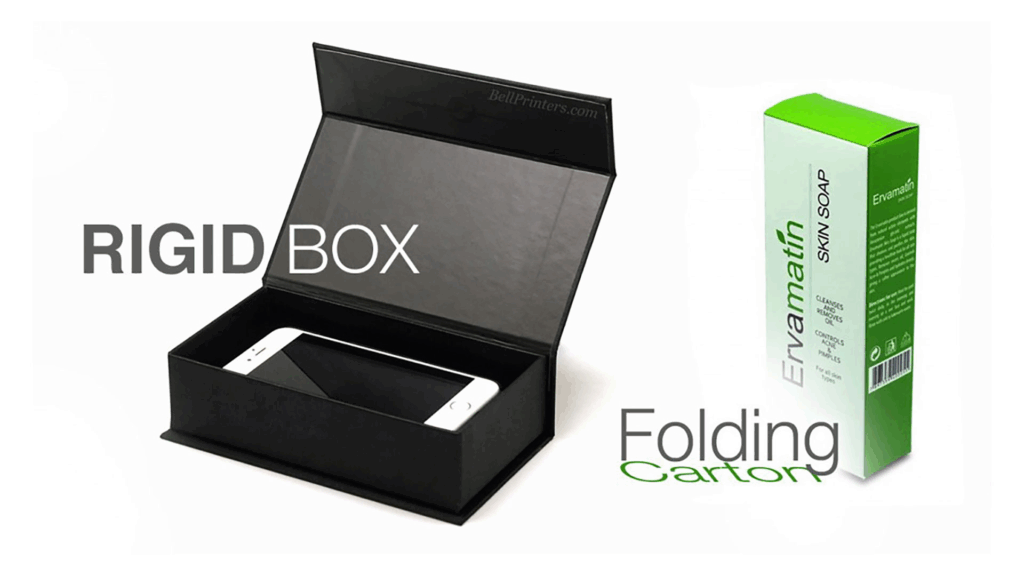
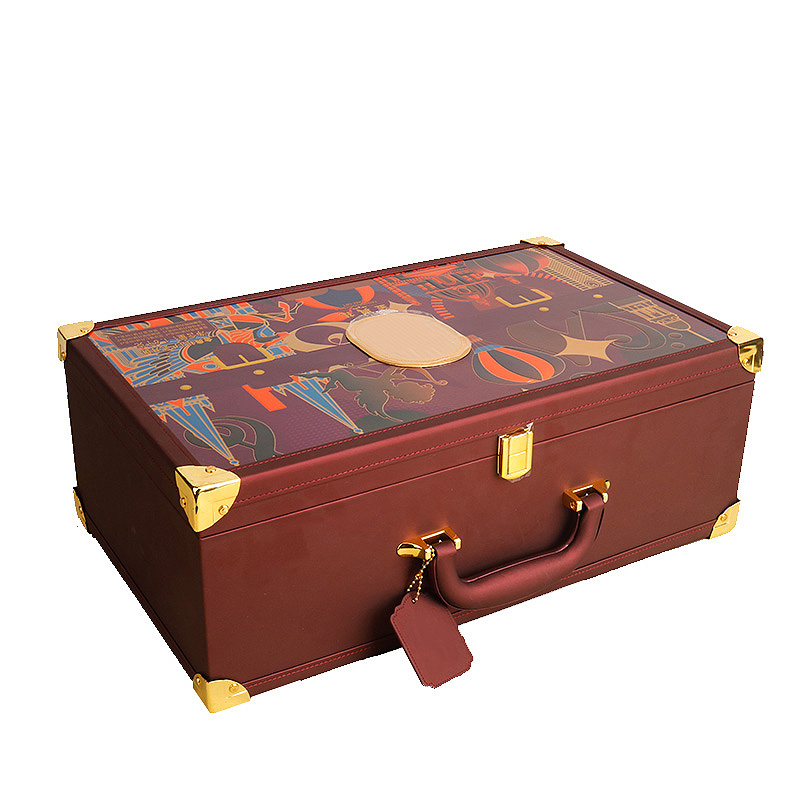
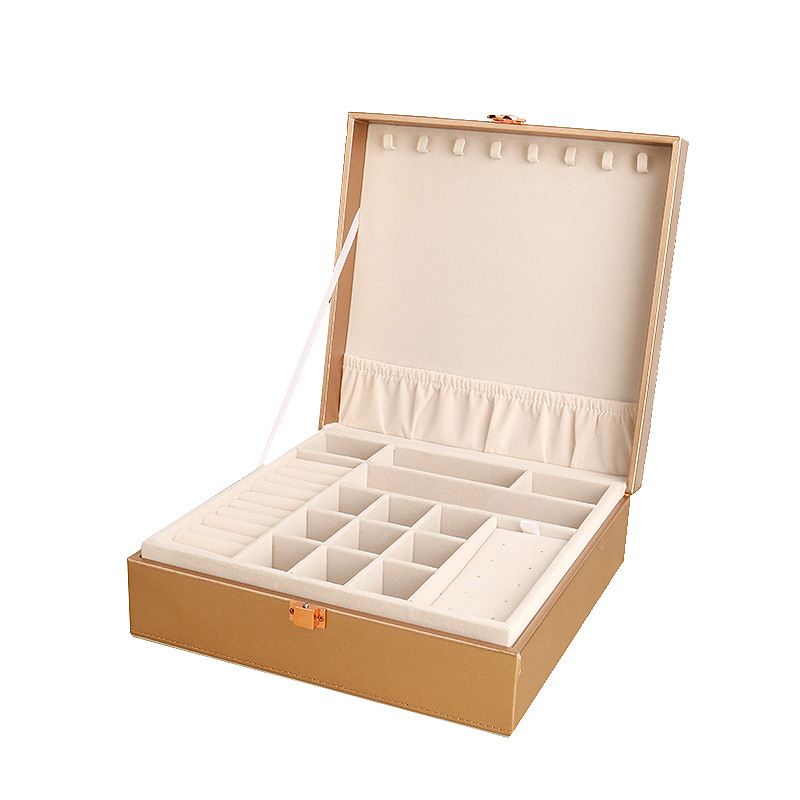
Cajas rígidas están hechos de cartón grueso envuelto en papel decorativo o impreso. A diferencia de las cajas que se pliegan, Las cajas rígidas mantienen su forma permanentemente., lo que los hace ideales para artículos de lujo.
Características y beneficios
- Construcción robusta
Con densas paredes de cartón, Las cajas rígidas ofrecen una protección excepcional para productos frágiles y de primera calidad..
- Atractivo de lujo
La experiencia de unboxing se siente refinada, haciéndolo popular para productos como teléfonos inteligentes, perfumes, y joyas.
- De primera calidad Personalización
Técnicas como el relieve., estampado, y los cierres magnéticos elevan el valor percibido de su marca.
- Excelente seguridad del producto
Resisten la presión y el impacto del envío mejor que las alternativas ligeras..
Cuándo utilizar cajas rígidas
Elija cajas rígidas cuando desee que su embalaje destaque, cuando la presentación y la protección son igualmente importantes.. A menudo se utilizan para:
- Electrónica de alta gama (telefonos, relojes, camaras)
- Productos de belleza y fragancias.
- Joyas y juegos de regalo.
- Artículos de edición limitada o coleccionables.
Para marcas que buscan equilibrar lujo y practicidad, una caja rígida plegable ofrece una solución moderna: se pliega para el envío pero conserva esa sensación premium característica.
¿Qué son las cajas plegables?? (Y cuándo usarlos)
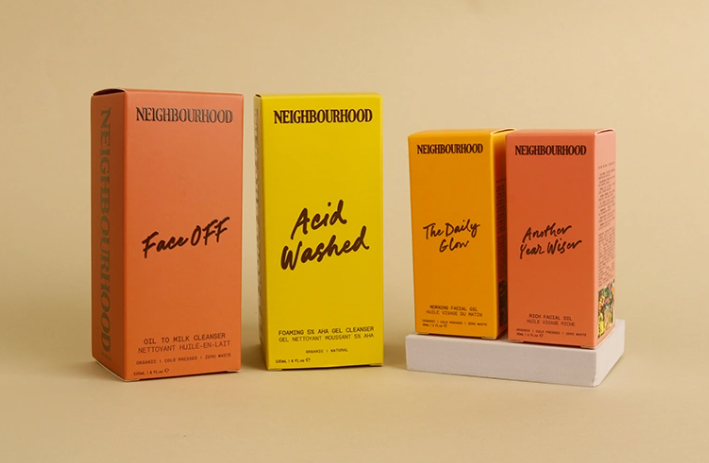
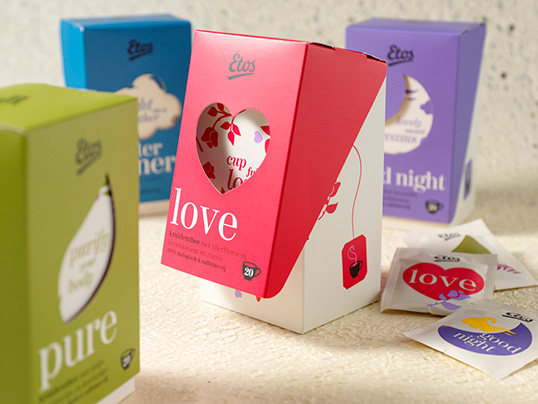
Estilo de cartón plegable El embalaje está hecho de cartón más fino y diseñado para enviarse plano., luego doblado y pegado para darle forma cuando sea necesario. Es una de las formas de embalaje más utilizadas en el mundo..
Características y beneficios
- Ligero y flexible: Fácil de montar, barco, y almacenar, lo que lo convierte en una opción rentable para la producción a gran escala.
- Elección sostenible: La mayoría de las cajas plegables están hechas de materiales reciclables., Ayudar a las marcas a cumplir con los estándares ecológicos..
- Superficies personalizables: Perfecto para imprimir colores de marca., detalles del producto, y obras de arte creativas para atraer la atención de los estantes.
- Asequible y escalable: Los menores costos de material y producción los hacen ideales para bienes de consumo de rápido movimiento. (bienes de consumo).
Cuándo utilizar cajas plegables
Los cartones plegables son ideales para productos cotidianos e industrias que dependen de grandes volúmenes de producción., como:
- Alimentos y bebidas
- Productos cosméticos y cuidado de la piel
- Productos farmacéuticos y suplementos para la salud.
- Pequeña electrónica de consumo y accesorios.
Diferencias clave entre cajas rígidas y cajas plegables
Aunque ambos tipos entran en la categoría de envases de papel, sus diferencias van más allá de la apariencia.
1. Estructura y montaje
Las cajas rígidas no son plegables y a menudo se ensamblan a mano para lograr una solidez., acabado lujoso. Cartones plegables, en contraste, Son plegables y fabricados a máquina para una producción en masa eficiente..
2. Resistencia del material
Las cajas rígidas utilizan cartón más grueso. (1.5-3mm), mientras que las cajas plegables suelen utilizar material más fino (0.3–0,6 mm). Esta diferencia afecta el peso., costo, y durabilidad.
3. Costo y tiempo de producción
Las cajas rígidas son más costosas debido al uso de materiales más gruesos y al trabajo manual.. Los cartones plegables son más rápidos y económicos de producir a granel, hacerlos más económicos.
4. Imagen de marca
Las cajas rígidas transmiten exclusividad y valor premium, mientras que las cajas plegables enfatizan la accesibilidad, eficiencia, y sostenibilidad.
5. Cartón vs Corrugado
Ambos tipos de embalaje utilizan cartón., material no corrugado. Cajas corrugadas, con su capa estriada, son más adecuados para el envío y la protección, no exhibición al por menor.
Desventajas de las cajas rígidas
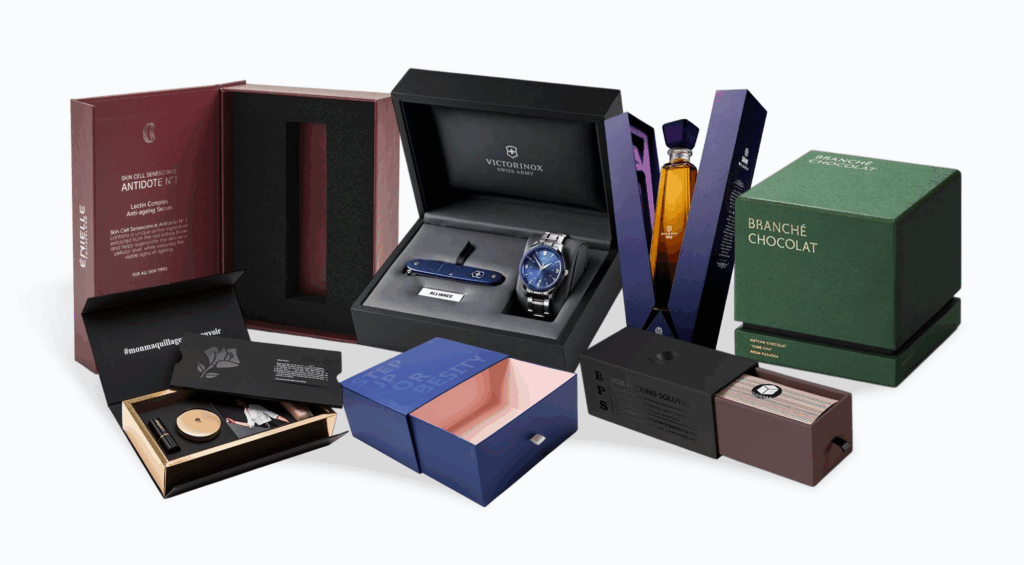
Aunque visualmente impresionante, Las cajas rígidas presentan algunos desafíos prácticos que las marcas deben considerar..
1. Mayores costos de fabricación
Debido a materiales más gruesos y montaje manual, Las cajas rígidas cuestan más que otros tipos de embalaje.. Las marcas pequeñas pueden encontrarlos menos económicos.
2. Limitaciones de almacenamiento y envío
Las cajas rígidas no se pliegan, ocupando más espacio y aumentando los costos de transporte. Sin embargo, un diseño de caja rígida plegable puede ayudar a minimizar este problema.
3. Mayor tiempo de producción
Por su intrincada estructura y procesos de acabado., Las cajas rígidas generalmente tardan más en fabricarse..
4. Sostenibilidad limitada
Algunos recubrimientos y laminaciones pueden reducir la reciclabilidad, aunque ahora muchos fabricantes de envases de cajas de papel ofrecen alternativas ecológicas.
Desventajas de las cajas plegables
A pesar de su practicidad, Las cajas plegables tienen algunas desventajas en comparación con las cajas rígidas..
1. Menos resistencia estructural
pueden abollar, doblar, o rasgarse bajo presión: menos ideal para artículos pesados o frágiles.
2. Aspecto y sensación más simples
Los cartones plegables no pueden replicar completamente el lujo, Sensación rígida que exige el embalaje de alta gama..
3. Protección limitada
Si bien es excelente para la presentación., No ofrecen la misma resistencia al impacto que las cajas rígidas más gruesas o los contenedores de envío corrugados..
Elegir el embalaje adecuado para su producto
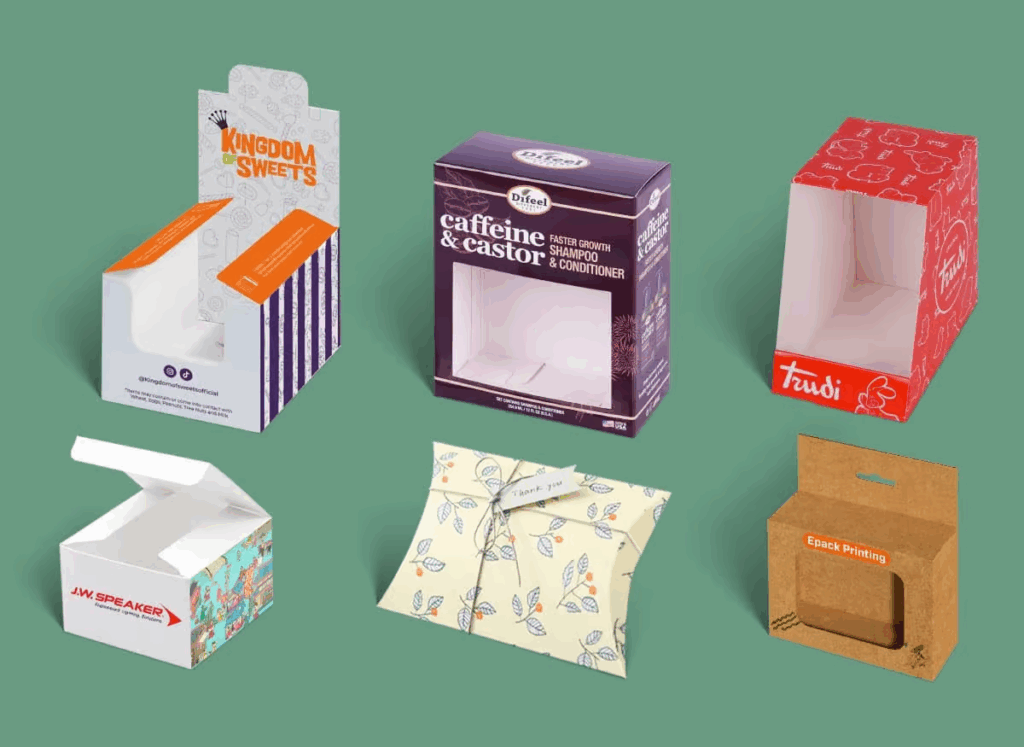
Factores a considerar
A la hora de decidir entre cajas rígidas y cartones plegables, Tenga en cuenta estos factores clave:
- Tipo de producto: Los artículos de lujo o frágiles se benefician de las cajas rígidas, mientras que los productos ligeros caben en cajas plegables.
- Presupuesto: Los cartones plegables son la opción económica; Las cajas rígidas son para alta gama., productos de bajo volumen.
- Objetivos de marca: Si tu marca se centra en la elegancia y la percepción premium, las cajas rígidas dan una impresión más fuerte.
- Sostenibilidad: Los cartones plegables son generalmente más reciclables y ecológicos..
¿Qué industrias utilizan cada uno de ellos??
- Cajas Rígidas: Joyas, electrónica, productos cosméticos, artículos de regalo premium, y alimentos especiales.
- Cartones plegables: Minorista, alimento & bebida, farmacéuticos, cuidado personal, y artículos para el hogar.
Colaborando con una persona de confianza fabricante de embalajes de cajas de papel garantiza que reciba orientación profesional, materiales de calidad, y personalización creativa adaptada a su mercado.
Conclusión
Tanto las cajas rígidas como los envases de cartón plegables aportan sus propios puntos fuertes.. Las cajas rígidas enfatizan el lujo, protección, y prestigio de marca, mientras que los cartones plegables ofrecen flexibilidad, sostenibilidad, y rentabilidad.
Su elección depende en última instancia de la historia de su marca y de las expectativas del cliente.. Ya sea que necesite una caja rígida plegable para un atractivo superior o cajas plegables ecológicas para el comercio minorista masivo, el socio adecuado puede marcar la diferencia.
✨ Trabaje con expertos en embalaje con experiencia en bailipaperpackaging.com Diseñar envases que no solo protejan su producto, sino que también eleven la presencia de su marca y la experiencia del cliente..
Preguntas frecuentes
¿Por qué las cajas rígidas son más caras que las plegables??
Las cajas rígidas son más caras por sus materiales de alta calidad., montaje manual, y acabados premium. Muchos están envueltos a mano y presentan diseños especiales, como relieves., estampado, o cierres magnéticos.
Mientras que los envases de cartón plegables son más asequibles para la producción a gran escala, Las cajas rígidas ofrecen una presentación más lujosa y una protección superior del producto, lo que justifica el mayor costo..
¿Las cajas plegables son lo suficientemente fuertes para el envío??
No por sí mismos. Los cartones plegables están diseñados principalmente para exhibición al por menor, no transporte de larga distancia. Para envío, A menudo se colocan dentro de una caja exterior corrugada para protección..
Esta combinación garantiza que sus productos permanezcan seguros y al mismo tiempo se presenten bellamente en los estantes de las tiendas minoristas..
¿Las cajas rígidas son reciclables o ecológicas??
Sí, Muchas cajas rígidas son reciclables., especialmente cuando se hace con materiales eco-conscientes y revestimientos mínimos. Sin embargo, Algunos acabados de lujo, como laminación o láminas metálicas, pueden reducir la reciclabilidad..
Asociarse con una empresa sostenible fabricante de embalajes de cajas de papel garantiza que sus cajas rígidas estén diseñadas para ser premium y ambientalmente responsables.