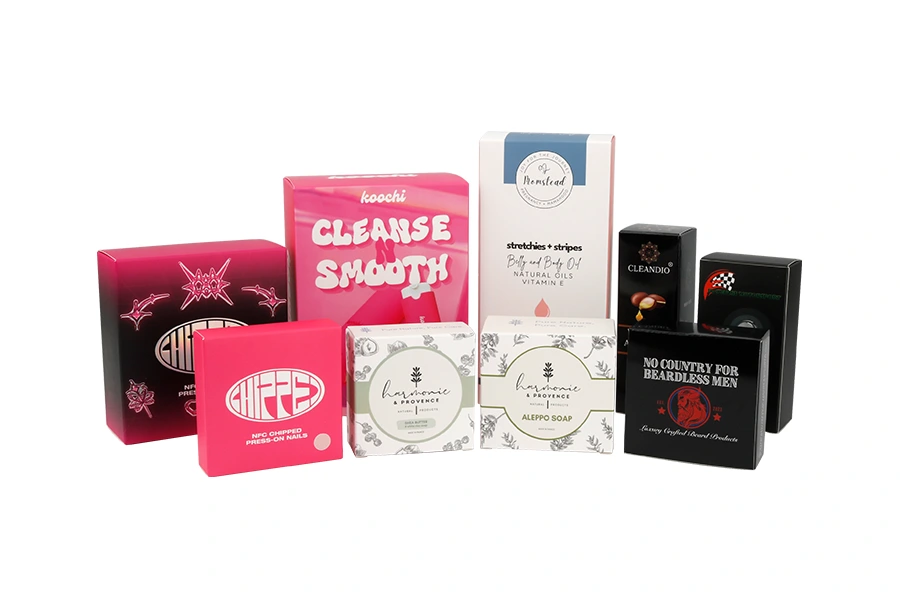
Sustainability isn’t just a buzzword anymore—it’s a movement reshaping the way brands design, produce, and package their products. From recycled paper boxes to compostable wraps, businesses are finding creative ways to reduce waste without compromising style or function.
For shoppers, this shift means more than just feeling good about their purchases—it’s a chance to support brands that value the planet as much as profit. En este artículo, we’ll dive deep into sustainable packaging solutions, explore the materials behind them, and reveal how both brands and consumers can make smarter, greener choices.
Understanding Sustainable Packaging
What is Sustainable Packaging?
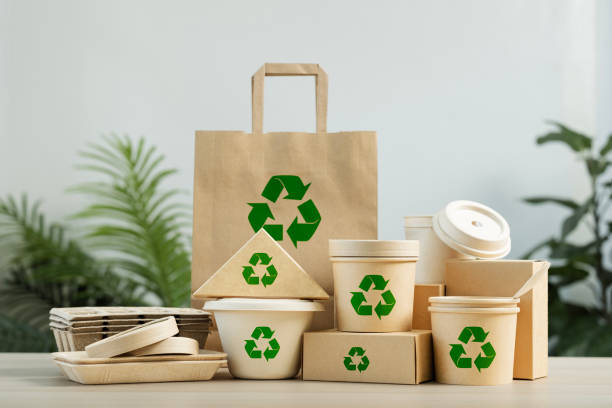
Sustainable packaging refers to the use of eco-conscious materials and design practices that minimize environmental harm throughout a product’s life cycle. It aims to reduce waste, lower carbon emissions, and encourage circular reuse.
Types of Eco-Friendly Packaging
Eco-friendly packaging—whether for your products or shipping—helps make your business more sustainable. Here are some practical sustainable packaging options:
- Recyclable packaging
Recyclable packaging is made from materials that can be collected, processed, and reused to make new products. It helps reduce waste and conserve natural resources by keeping materials in circulation instead of sending them to landfills.
- Recycled packaging
Recycled packaging is made from materials that have been previously used and processed for reuse. It reduces waste, conserves resources, and helps minimize environmental impact.
Compostable packaging is made from organic materials that break down naturally into non-toxic components like water, carbon dioxide, and compost. It decomposes in composting conditions, leaving no harmful residue and enriching the soil.
- Reusable packaging
Reusable packaging is designed to be used multiple times instead of being thrown away after one use. It’s made from durable materials like glass, metal, or sturdy plastic, helping reduce waste and environmental impact.
- Minimal packaging
Minimal packaging means using the least amount of material necessary to protect and present a product. It focuses on simplicity, reducing waste, and avoiding unnecessary layers or decorations to minimize environmental impact.
In short, sustainable packaging balances performance, purpose, and planet. En Bailipack , Entendemos el impacto ambiental de la industria del embalaje de cajas de papel.. Por eso la sostenibilidad está en el centro de todo lo que hacemos., desde el abastecimiento de materias primas hasta cada etapa de la producción. Estamos comprometidos a ayudar a nuestros clientes a lograr el éxito ambiental y empresarial..
Misconceptions about Eco-Friendly Packaging
Even with its growing popularity, sustainable packaging faces myths and misunderstandings:
- “It’s always expensive.”
Not necessarily. While some materials cost more upfront, savings in logistics, waste reduction, and customer retention often offset costs.
- “Eco packaging is less durable.”
Advances in technology have produced recycled and biodegradable materials that match (and sometimes exceed) traditional packaging strength.
- “All ‘green’ packaging is truly sustainable.”
This is one of the biggest dangers of eco friendly packaging—greenwashing. Some products are labeled “eco” without genuine environmental benefits. Always look for certifications or transparent supplier information.
Materials Used in Sustainable Packaging
Recycled Paper Box and Cardboard
Among all sustainable packaging materials, recycled paper packaging remains a timeless favorite. It’s biodegradable, personalizable, and widely accepted in recycling systems.
Key advantages include:
- Waste Reduction: Made from post-consumer or pre-consumer recycled content.
- Energy Savings: Requires far less energy to produce than virgin paper.
- Versatilidad: Suitable for food boxes, corre de correo, retail packaging, and inserts.
- Brand Appeal: Offers natural textures and earthy tones that reinforce eco-conscious branding.
Sustainable packaging examples:
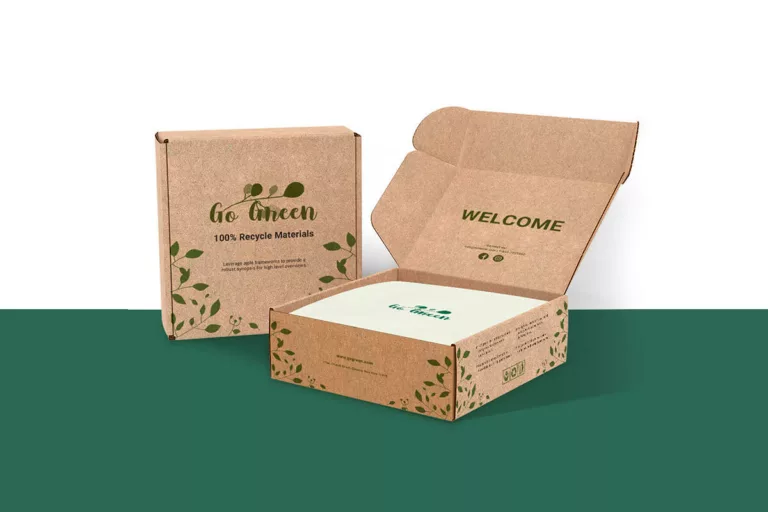
- kraft corrugated boxes for eCommerce brands
- Minimalist paper sleeves for cosmetics or candles
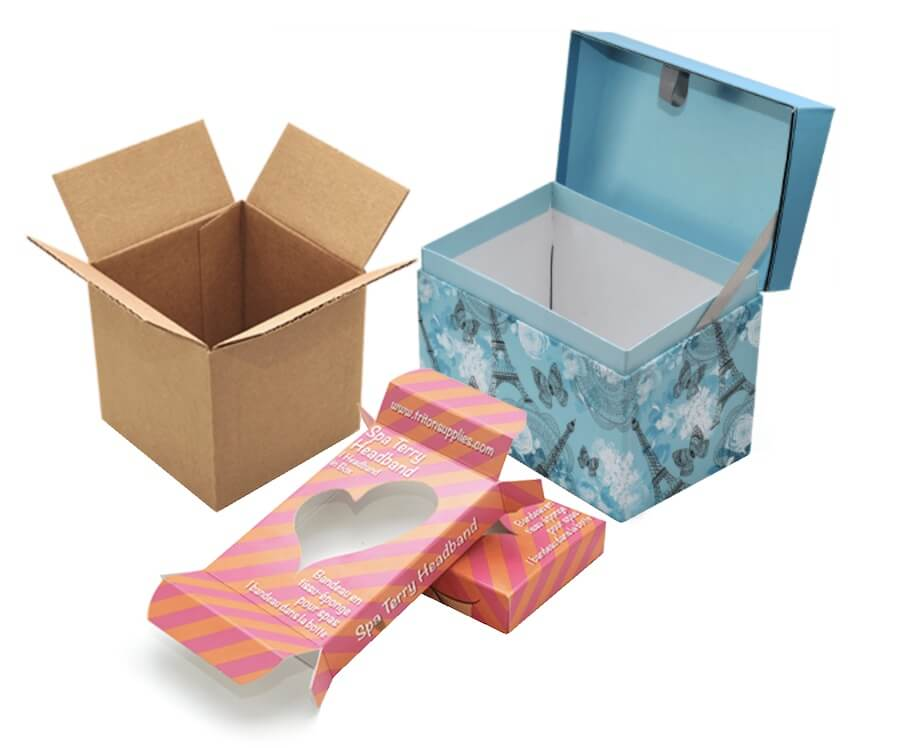
- Recyclable gift boxes for boutique retailers
Choosing the Right Packaging Suppliers

Evaluating Supplier Sustainability Practices
Not all suppliers follow true eco-friendly standards. A supplier’s sustainability practices reflect directly on your brand’s reputation. When selecting a partner, businesses should:
- Review the supplier’s material sourcing policies and waste management systems.
- Request transparency reports or documentation on recycled material percentages.
- Check if their production relies on renewable energy or reduces water waste.
- Partner with companies who actively invest in R&D for green innovation.
Certifications and Standards to Look For
Reliable certifications help identify legitimate eco-friendly suppliers:
- FSC (Forest Stewardship Council): Ensures paper comes from responsibly managed forests.
- ISO 14001: Recognizes environmentally sound manufacturing processes.
- Compostable and Biodegradable Labels: Verifies breakdown efficiency and safety.
- B Corp Certification: Indicates overall social and environmental responsibility.
These marks separate authentic sustainability from empty marketing claims.
Tips to Choose Eco-Friendly Paper Box Packaging
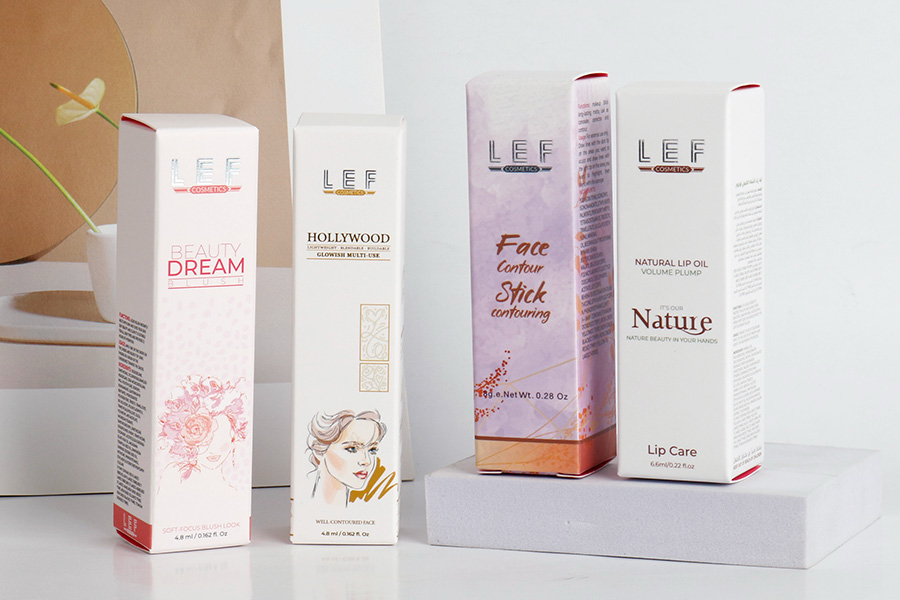
Shoppers can play a major role in sustainability. Here’s how you can make smarter choices:
- Check the Labels: Look for recyclable or compostable symbols before purchase.
- Support Brands with Transparency: Choose businesses that disclose their sustainability goals and packaging materials.
- Reuse When Possible: Boxes and paper wraps can often be repurposed for storage or gifting.
- Avoid Excess Packaging: Opt for minimalist, recycled paper packaging when available.
- Reduce the Size of Your Packaging: keep boxes as light as possible by not adding extra collateral or material
Conclusión
Sustainable packaging isn’t a passing trend—it’s the foundation of modern brand responsibility. By embracing recycled paper boxes, biodegradable materials, and reusable systems, businesses can lead a global shift toward smarter consumption.
For shoppers, every purchase is a vote for the kind of world we want to live in. Together, we can transform packaging from waste into worth.
🌍 Looking to design packaging that aligns with your sustainability goals?
Visit Embalaje de papel Baili to explore eco-friendly, custom paper packaging solutions that help your brand stand out—responsibly.
Eco-Friendly Packaging FAQ
What is eco-friendly packaging?
It’s packaging made from recycled, reciclable, reusable, compostable, or biodegradable materials, designed to reduce waste and resource use.
Why is eco-friendly packaging important?
Traditional packaging creates massive global waste. Switching to sustainable options helps reduce deforestation, plastic pollution, and overall environmental damage.
What is the most eco-friendly packaging?
Paper-based and reusable packaging are top choices. The best options use minimal new resources and are easy to reuse, compost, or recycle.
How much does eco-friendly packaging cost?
It can cost slightly more than traditional packaging, but bulk orders lower prices and long-term savings often outweigh the initial expense.
Where can I buy eco-friendly packaging?
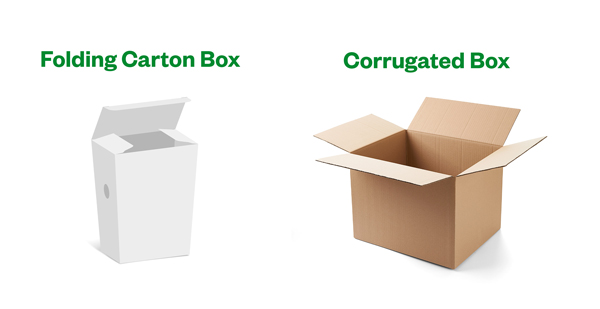
Suppliers like Baili PaperPack offer custom sustainable solutions such as paper box, Cartones plegables. Choose based on your volume, materiales, and budget needs.