Sur le marché actuel, en évolution rapide et hautement concurrentiel, l’emballage est devenu bien plus qu’une couche protectrice pour les aliments et les boissons. C'est souvent le premier point de contact entre une marque et un consommateur, façonner les perceptions, établir la confiance, et influencer les décisions d'achat en quelques secondes. Alors que les attentes des consommateurs continuent d’évoluer, les marques doivent garder une longueur d'avance sur les tendances émergentes en matière de conception d'emballages alimentaires 2026 pour rester pertinent et compétitif.
Depuis durabilité et de la technologie intelligente aux visuels audacieux et à l'innovation fonctionnelle, les sept tendances suivantes en matière de conception d'emballages redéfinissent la manière dont les marques d'aliments et de boissons interagissent avec leur public. Explorons ce qui façonne l'avenir de la conception d'emballages alimentaires et de boissons et pourquoi ces tendances sont importantes..
Introduction aux tendances en matière de conception d'emballages alimentaires et de boissons
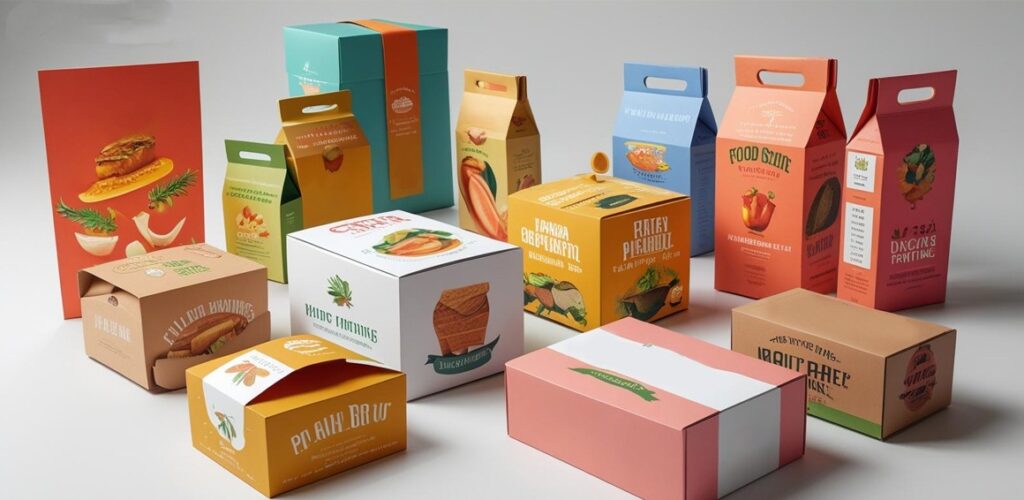
Le marché de l’alimentation et des boissons évolue plus rapidement que jamais, motivé par les exigences de durabilité, modes de vie numériques, et l'évolution des valeurs des consommateurs.
- L’emballage comme point de contact de la marque
Pour de nombreux consommateurs, l'emballage est leur première interaction avec un produit. Couleur, structure, texture, et les messages contribuent tous à la perception immédiate de la marque.
- Le design rencontre la fonctionnalité
Les emballages modernes doivent concilier attrait visuel et praticité, sécurité, efficacité en rayon, et conformité réglementaire.
- Différenciation axée sur les tendances
Les marques qui adoptent des tendances de design pertinentes obtiennent un avantage concurrentiel, en particulier dans les environnements de vente au détail et de commerce électronique très fréquentés.
Comprendre les tendances en matière d'emballage n'est plus une option : c'est essentiel pour la croissance de la marque à long terme.
Matériaux d'emballage durables et respectueux de l'environnement
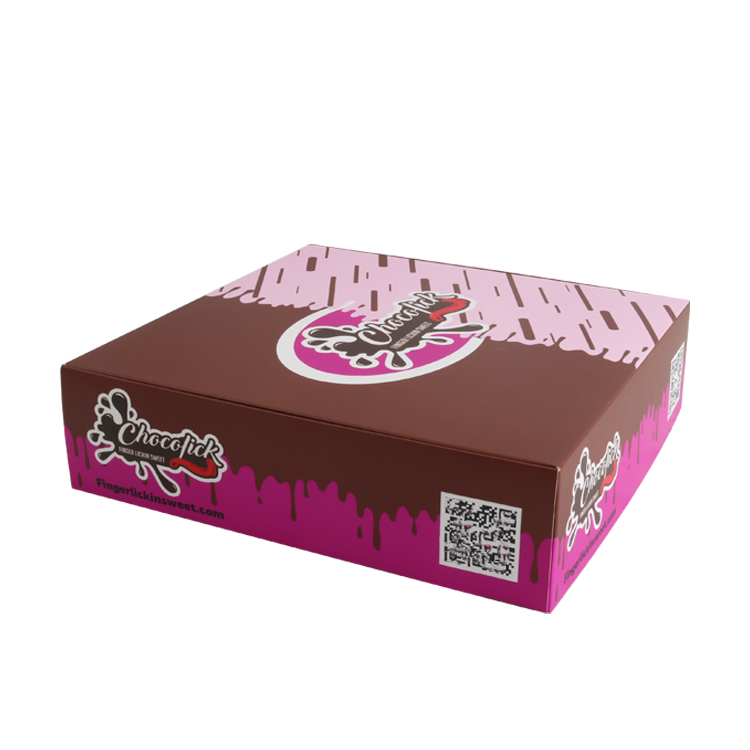
La durabilité reste la force la plus influente qui façonne les tendances en matière de conception d’emballages alimentaires 2026.
Pourquoi la durabilité domine les décisions d'emballage
- Sensibilisation écologique croissante des consommateurs
Les acheteurs privilégient de plus en plus les marques qui réduisent leur impact environnemental grâce au recyclage, biodégradable, ou emballage compostable.
- Croissance des emballages à base de papier
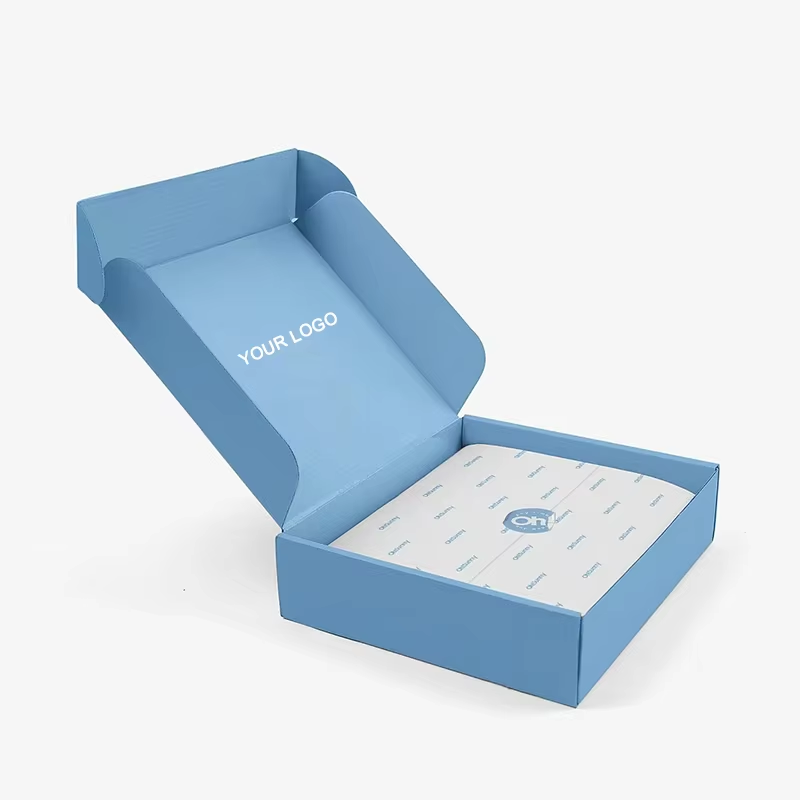
De nombreuses marques alimentaires remplacent le plastique par du carton, papier kraft, et cartons pliants, le recours croissant à des personnes expérimentées fabricants d'emballages en boîtes de papier.
- Pression réglementaire et des détaillants
Les gouvernements et les détaillants du monde entier appliquent des mesures plus strictes normes de durabilité, accélérer la transition vers des emballages écologiques.
- Crédibilité et confiance de la marque
L’emballage durable signale la responsabilité et la transparence, renforcer la fidélité à la marque au fil du temps.
Travailler avec des personnes fiables fabricants de cartons pliants garantit que les conceptions écologiques sont évolutives et rentables.
Conception d'emballage minimaliste et épurée
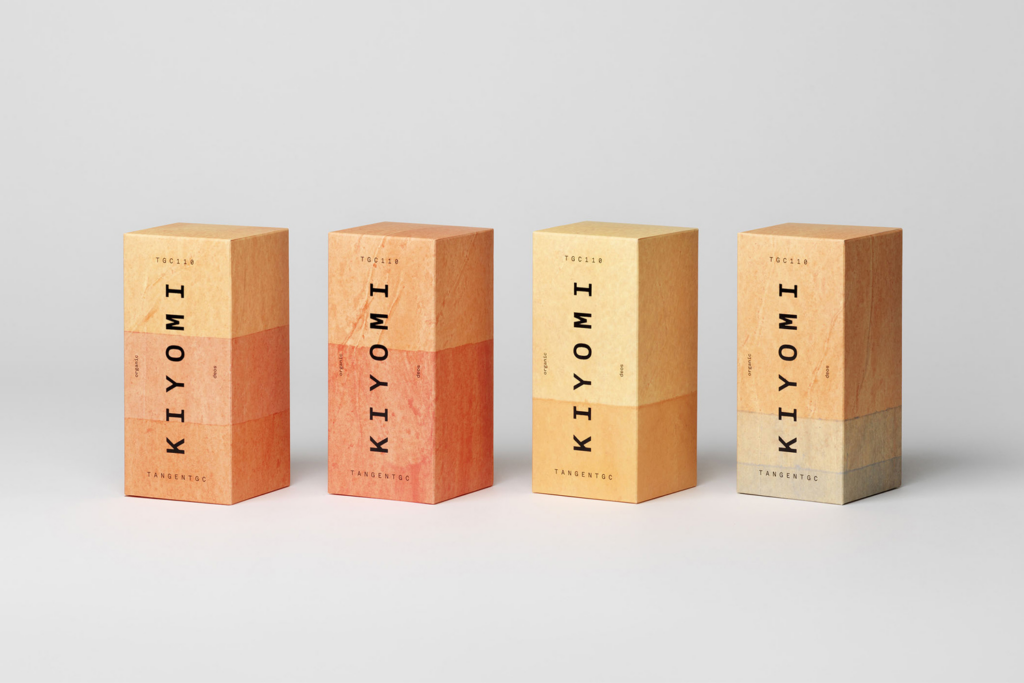
Le minimalisme continue de façonner le design moderne des emballages alimentaires et de boissons.
Pourquoi « moins c'est plus » fonctionne
- Reconnaissance instantanée des étagères
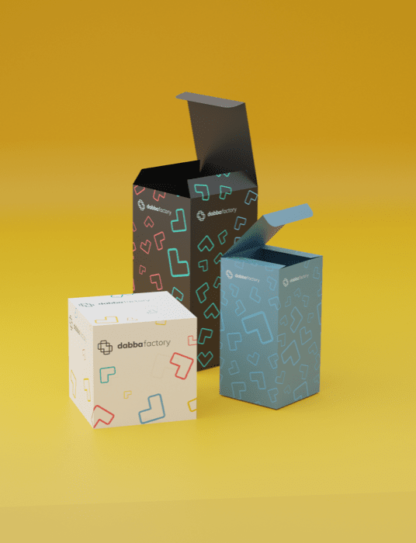
Des mises en page épurées, palettes de couleurs simples, et une typographie audacieuse aide les produits à se démarquer rapidement dans des environnements très fréquentés.
- Communication claire
Les designs minimalistes permettent aux marques de mettre en évidence des informations essentielles telles que les ingrédients, avantages, et certifications sans distraction.
- Perception premium
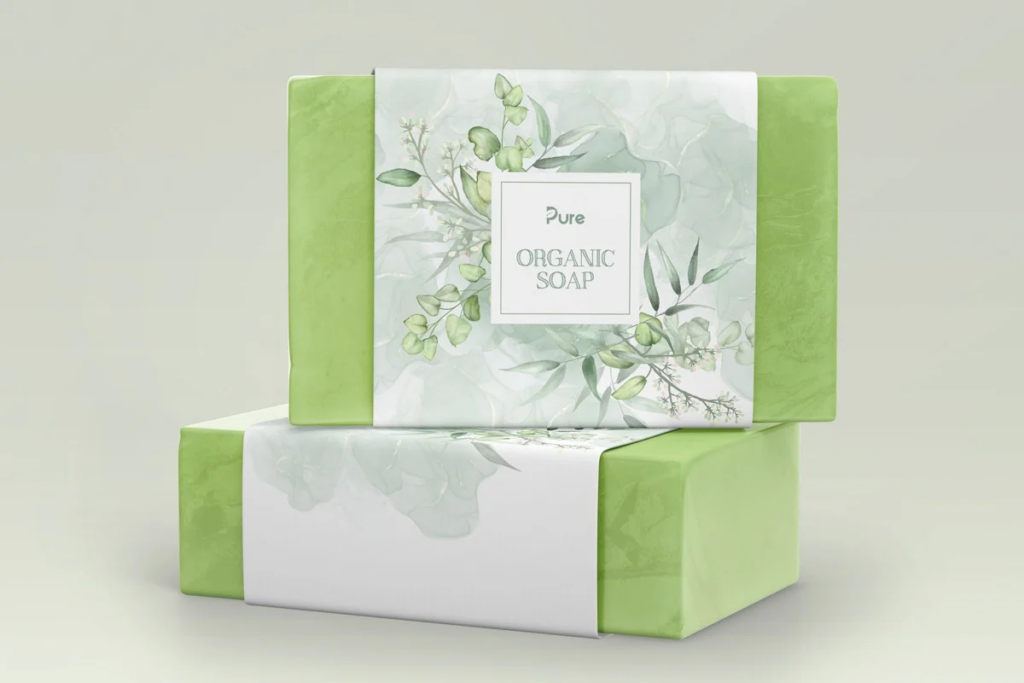
La simplicité véhicule souvent la confiance et la qualité, surtout pour le bio, axé sur la santé, et produits alimentaires haut de gamme.
- Efficacité de production
Moins de couleurs et des structures plus simples réduisent la complexité de l'impression, au bénéfice des marques et des fabricants d'étuis pliants.
L’emballage minimaliste n’est pas une question de vide, mais une question de clarté intentionnelle.
Emballage transparent et honnête
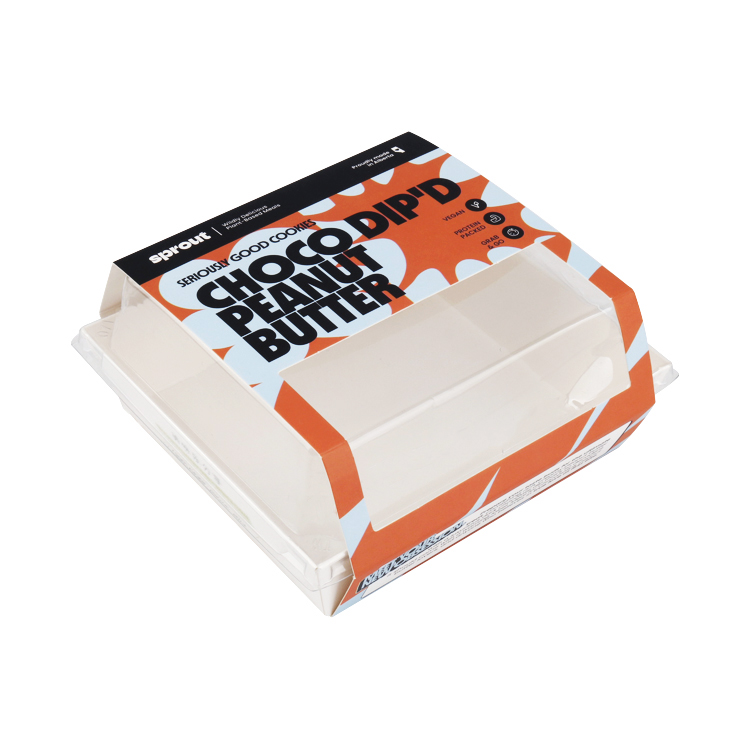
La transparence devient une attente déterminante dans le domaine des emballages alimentaires. Par exemple, ces manchons d'emballage alimentaire.
Comment la transparence renforce la confiance des consommateurs
- Étiquetage clair et divulgation des ingrédients
Les consommateurs veulent savoir exactement ce qu’ils consomment, y compris l'approvisionnement, valeur nutritionnelle, et allergènes.
- Transparence visuelle
Des fenêtres claires ou des images honnêtes permettent aux consommateurs de voir le produit, renforcer l'authenticité.
- Honnêteté basée sur l'histoire
Les marques qui communiquent ouvertement sur leurs processus de production et leurs valeurs se démarquent sur les marchés concurrentiels.
- Alignement réglementaire
L'emballage transparent réduit les risques de non-conformité et améliore la crédibilité de la marque. Cette tendance reflète une évolution plus large vers l’ouverture dans la conception des emballages d’aliments et de boissons..
Couleurs vives, Graphique, et typographie
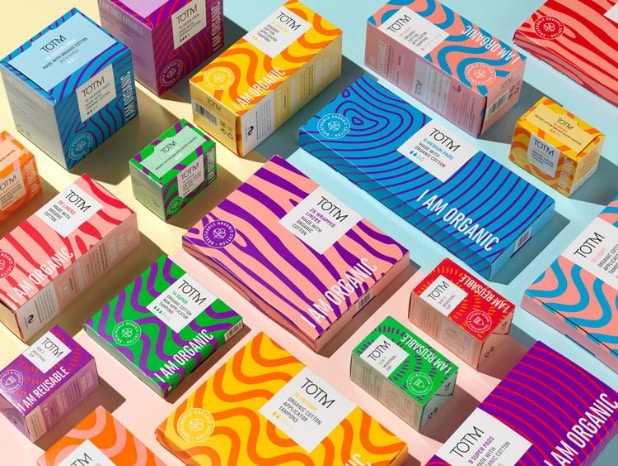
Pendant que le minimalisme prospère, l'expression visuelle audacieuse reste tout aussi importante dans certaines catégories.
Quand un design audacieux a du sens
- Une présence en rayon à fort impact
Les couleurs vives et les contrastes forts attirent l'attention, surtout pour les collations, boissons, et produits destinés aux jeunes.
- Personnalité expressive de la marque
Illustrations personnalisées, graphismes ludiques, et une typographie unique aide les marques à communiquer le ton et l'émotion.
- Différenciation des catégories
Des visuels audacieux aident les marques émergentes à rivaliser avec les noms établis en créant une reconnaissance instantanée.
- Systèmes visuels cohérents
Des langages de conception puissants permettent une expansion facile à travers les SKU et les marchés.
Les visuels audacieux restent un élément essentiel de tendances en matière de conception d'emballages alimentaires 2026.
Emballage intelligent et interactif (Codes QR & Éléments numériques)
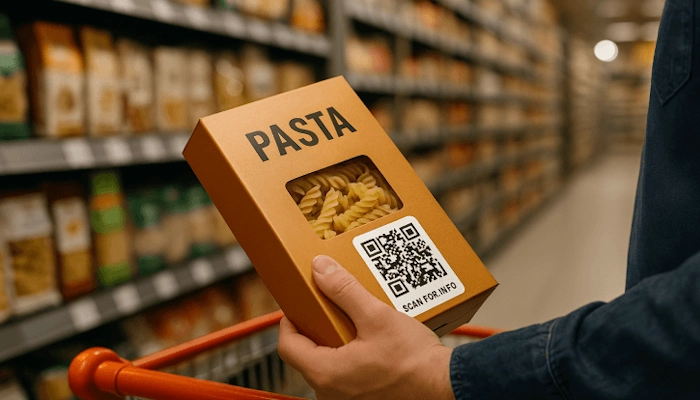
La technologie transforme l'emballage en une plateforme de marque interactive.
Comment les emballages intelligents ajoutent de la valeur
- Des codes QR pour un engagement plus profond
Les consommateurs peuvent accéder aux recettes, vidéos, histoires de durabilité, et promotions avec un simple scan.
- Traçabilité et sécurité alimentaire
Les éléments numériques aident à vérifier l'origine des produits, informations sur le lot, et détails fraîcheur.
- Marketing basé sur les données
Les marques peuvent suivre l'engagement et optimiser les campagnes grâce à des emballages connectés.
- Expérience client améliorée
L’emballage s’étend au-delà des étagères, connecter les produits physiques aux écosystèmes numériques.
L’emballage intelligent façonne l’avenir de la conception d’emballages alimentaires et de boissons.
Personnalisation et emballage en édition limitée
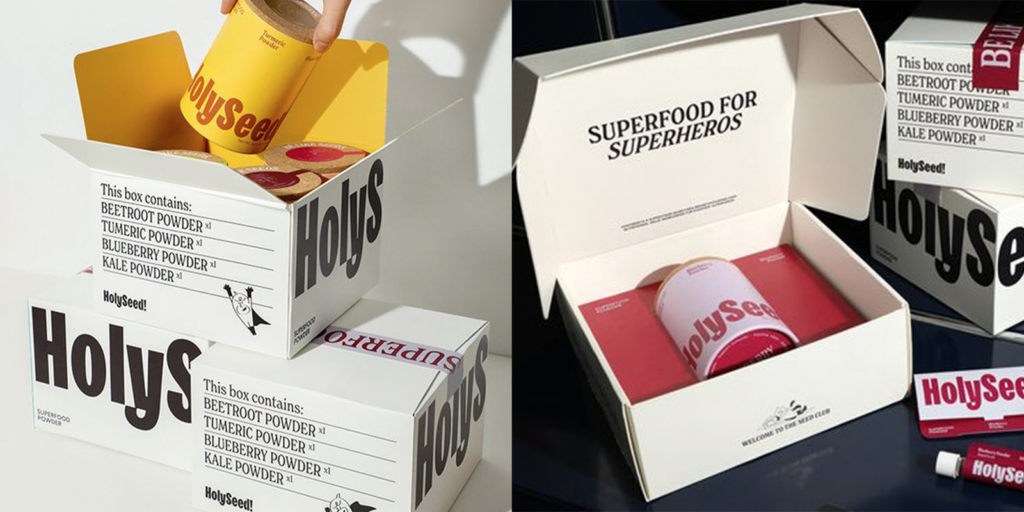
La personnalisation devient plus accessible grâce à l'impression numérique.
Pourquoi la personnalisation stimule la fidélité
- Flexibilité à court terme
Les marques peuvent produire des produits saisonniers, régional, ou des designs promotionnels sans coût excessif.
- Connexion émotionnelle
L'emballage personnalisé permet aux consommateurs de se sentir vus et valorisés.
- Amplification des réseaux sociaux
Des designs uniques encouragent le partage et la visibilité organique de la marque.
- Opportunités de tests de marché
Les éditions limitées permettent aux marques de tester les conceptions avant les lancements à grande échelle.
Cette tendance s'aligne parfaitement avec les attentes des consommateurs modernes en matière d'individualité..
Conte culturel et artisanal dans l’emballage
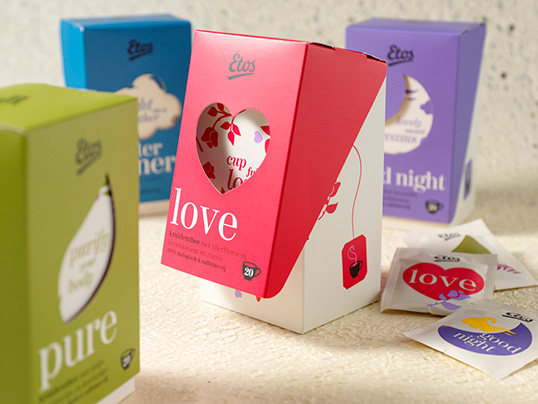
L’emballage est de plus en plus utilisé comme support de narration.
Le pouvoir du design narratif
- Authenticité culturelle
Modèles locaux, langues, et les traditions aident les marques à trouver un écho auprès de marchés spécifiques.
- Esthétique artisanale
Les illustrations dessinées à la main et les textures naturelles transmettent le savoir-faire et le patrimoine.
- Différenciation émotionnelle
Les histoires créent des liens émotionnels plus profonds que les visuels seuls.
- Un positionnement premium
Un emballage basé sur une histoire élève la valeur perçue, spécialement pour les aliments et boissons de spécialité.
La narration transforme l'emballage en une expérience narrative.
Comment choisir la bonne tendance en matière d'emballage pour votre marque
Toutes les tendances ne conviennent pas à toutes les marques.
Facteurs clés à considérer
- Préférences du public cible
Comprendre les valeurs du consommateur, sensibilité aux prix, et habitudes de vie. - Catégorie de produit et positionnement
Les produits haut de gamme peuvent bénéficier du minimalisme, alors que les articles grand public peuvent nécessiter des visuels audacieux. - Capacités de production
Partenariat avec la droite fabricant d'emballages en boîtes de papier garantit la faisabilité et la cohérence. - Évolutivité à long terme
Choisissez des tendances qui peuvent évoluer avec votre marque, pas de modes de conception éphémères.
L’alignement stratégique est plus important que l’adoption seule des tendances.
Avantages d'un emballage axé sur les tendances pour les marques d'aliments et de boissons
Adopter les tendances modernes en matière d'emballage offre des avantages commerciaux mesurables.
Avantages clés
- Impact et visibilité en rayon plus forts
- Amélioration de la confiance et de la crédibilité de la marque
- Engagement et fidélité accrus des consommateurs
- Meilleur alignement avec les objectifs de développement durable
- Compétitivité accrue sur les marchés mondiaux
Les tendances en matière d'emballage influencent directement à la fois la perception de la marque et les performances commerciales..
FAQ
Quels sont les 7 types d'emballage?
Les sept types courants comprennent l'emballage primaire, emballage secondaire, emballage tertiaire, emballage souple, emballage rigide, emballage écologique, et emballage intelligent. Chacun joue un rôle différent dans la protection, image de marque, et diffusion.
Quelles sont les nouvelles tendances de l’industrie agroalimentaire?
Les principales tendances incluent les matériaux durables, conception minimaliste, étiquetage transparent, technologie d'emballage intelligente, des visuels audacieux, personnalisation, et la narration culturelle, dont beaucoup définissent tendances en matière de conception d'emballages alimentaires 2026.
Quel est l’avenir de la technologie de l’emballage?
L’avenir se concentre sur l’intelligence, connecté, et emballage durable. Codes QR, systèmes de traçabilité, innovation éco-matériau, et l'automatisation redéfinira la manière dont les marques interagissent avec les consommateurs et gèrent les chaînes d'approvisionnement.
Réflexions finales: Des emballages qui construisent les marques
L’emballage n’est plus seulement un contenant, c’est un atout stratégique de marque. Comme conception d'emballages pour aliments et boissons continue d'évoluer, des marques qui adoptent l'innovation, durabilité, et la narration se démarquera sur les marchés concurrentiels.
Pour réussir à faire vivre ces tendances, collaboration avec des expérimentés fabricants de cartons pliants et digne de confiance fabricants d'emballages en boîtes de papier est essentiel.
Associez-vous à Bailipaperpack pour diriger l’avenir de l’emballage
À Bailipaperpack, nous sommes spécialisés dans la haute qualité, solutions d'emballage en papier durables pour l'industrie agroalimentaire. Des cartons pliants tendance aux boîtes en papier écologiques personnalisées, nous aidons les marques à transformer leurs idées d'emballage en solutions prêtes à être commercialisées.
Visite https://bailipaperpackaging.com/ pour découvrir comment nous pouvons améliorer votre stratégie d'emballage aujourd'hui.