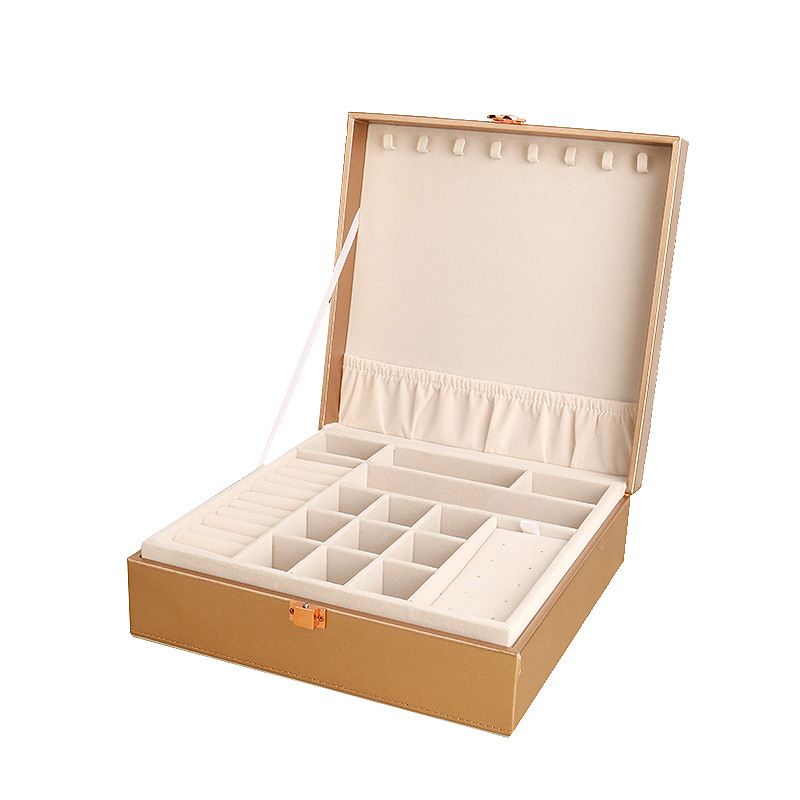
With US folding carton shipments forecast at $13.3 अरब द्वारा 2026, consumer brands face immense pressure to adopt sustainable, efficient packaging solutions. Balancing eco-compliance with market demands is a critical challenge.
This guide examines innovations like FSC-certified paperboard, lightweighting for 20-40% material reduction, AI-driven design using ECMA templates, and smart packaging with GS1 Digital Link-enabled QR/NFC codes. Let’s dive in with us!
Lightweighting and Carbon Footprint Reduction
Lightweighting in folding cartons for 2026 involves using high-yield paperboards and optimized designs to reduce material by 20–40% while keeping strength. This approach dramatically cuts CO₂ emissions from both production and transport, directly helping brands meet their sustainability goals.
The Strategic Shift to Lighter Materials
The packaging industry is undergoing a fundamental shift towards using lighter yet equally strong materials. This strategic move is primarily driven by a strong commitment to environmental sustainability and enhanced operational efficiency.
बेली पेपर पैकेजिंग actively supports this industry trend by prioritizing the procurement and application of advanced, high-performance paperboard types in its custom packaging solutions.
- Moving from traditional Solid Bleached Board (एसबीएस) to high-yield Folding Boxboard (FBB) is a core strategy to reduce carton weight.
- Reducing paperboard grammage directly decreases fiber use, lowers material costs, and cuts embodied carbon dioxide emissions.
- Lighter cartons allow more products per pallet, directly lowering transport emissions and logistics-related CO₂ for deliveries in 2026.
- Single-material paperboard structures improve recyclability and reduce emissions at the end of a product’s life, outperforming multi-material packaging.
Creative Structural Designs
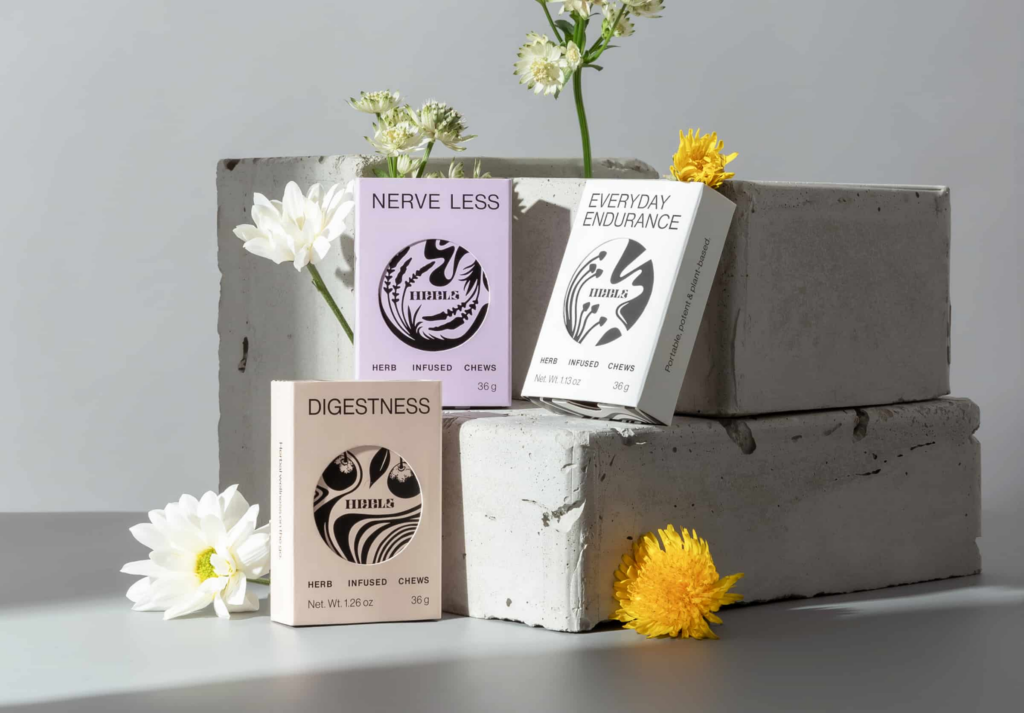
Creative structural designs for folding cartons combine standard engineering principles with advanced material and construction techniques. This approach results in distinct shapes and enhanced functional features.
These designs ensure both visual appeal for brands in 2026 and compatibility with high-speed automated packaging lines.
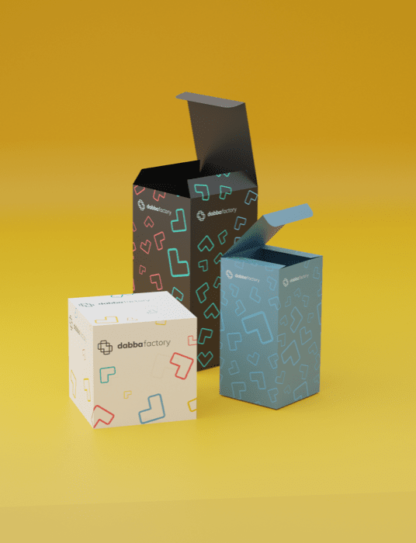
Folding carton designs are continuously evolving. They move beyond simple boxes to become dynamic packaging solutions that capture consumer attention and improve product protection.
This evolution merges established industry codes with innovative material applications and sophisticated engineering. The aim is to create packaging that performs reliably and stands out on the shelf.
Defining Modern Carton Structures
Modern folding carton structures build upon a foundation of standardized principles. These ensure consistency and functionality across the industry.
The ECMA Code of Folding Carton Design Styles (ECMA Codes EN 2022) provides a widely recognized framework. It standardizes structural types and dimensional rules, guiding designers and manufacturers.
- Industry convention defines carton dimensions as Length × Width × Depth (L × W × D), measured from the score line centers. This standardized measurement helps maintain precision.
- Modern creativity merges these codified styles with advanced board constructions. This creates distinctive shelf presence for products.
- Baili Paper Packaging leverages these codes while pushing creative boundaries to deliver innovative and functional designs.
Engineering for Performance and Distinctive आकार
The technical specifications and material choices are critical in creating high-performance and unique carton structures. They dictate how a carton will look and how well it will protect its contents.
- Die-cut and fold assembly uses flat blanks with artwork bleed (0.125 इंच / 3.175 मिमी). This bleed ensures design elements extend slightly beyond the cut line, managing minor cutting variations for a clean finish.
- Structural designs must support high-speed erection on automated packaging lines. This allows for efficient production, often reaching 40–60 cartons per minute.
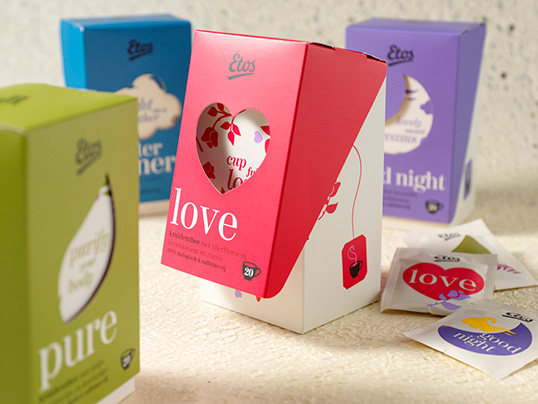
- Complex 3D forms, such as hexagonal, triangular, or domed shapes, enhance product appeal. Functional features like sift-proof closures, easy-open mechanisms, and integrated carrying handles also improve user experience and product protection.
- Lock Bottom and Crash Bottom styles are specified for heavier products. These designs sometimes include double-thickness or cavity walls to provide extra strength and prevent collapses.
- Baili Paper Packaging excels at engineering these specifications, delivering both aesthetic appeal and robust performance.
Elevate Your Brand with Custom Folding Cartons
AI and Automation in Packaging Design
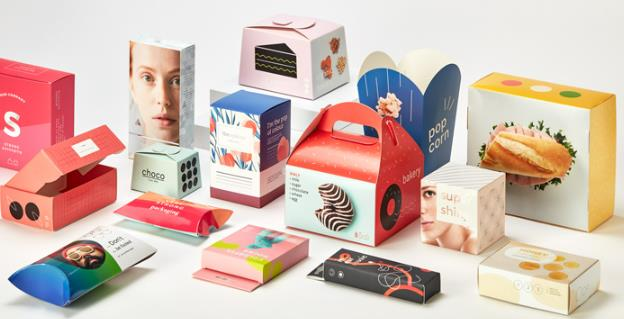
AI and automation streamline folding carton design from structural creation to production. They automate dieline generation, enable virtual prototyping, and ensure compliance with regulatory standards.
These technologies optimize prepress and manufacturing processes. This leads to faster market entry, reduced waste, and improved consistency in packaging quality, के साथ संरेखित करना 2026 industry trends.
The packaging industry is rapidly adopting artificial intelligence and automation. These technologies transform the design, prepress, and production of folding cartons, enhancing both efficiency and quality.
For brands aiming to stay competitive and meet 2026 प्रवृत्तियों, integrating these advancements is essential. Baili Paper Packaging incorporates such systems to deliver modern, efficient production workflows.
Automated Structural Design and Virtual Prototyping
AI-driven software streamlines the structural creation and visualization of folding cartons. It quickly generates precise dielines and layouts, minimizing manual effort.
उदाहरण के लिए, tools like CloudLab packQ use ECMA folding carton templates. This allows for parametric dieline generation and automated layout creation, significantly speeding up the initial design phase.
AI for Prepress, Compliance, and Production Efficiency
AI and automation optimize various stages beyond structural design. They enhance graphic workflows, ensure regulatory compliance, and boost manufacturing operations.
- Esko AI workflows automatically compare artwork. They identify missing allergen statements and validate designs against FDA and FSSAI regulatory databases. This ensures packaging meets health and safety standards.
- Hybrid Software’s PACKZ and CLOUDFLOW automate crucial prepress tasks. These include imposition, trapping, और variable data printing (VDP), leading to faster setup times.
- AI vision systems on production lines continuously monitor quality. They check print density, registration, and barcode readability in real time, catching errors early.
- IoT sensors combined with AI enable predictive maintenance for converting and printing equipment. This minimizes unplanned downtime, supporting a stable supply chain for 2026.
रंग, Print, and Finishing Trends
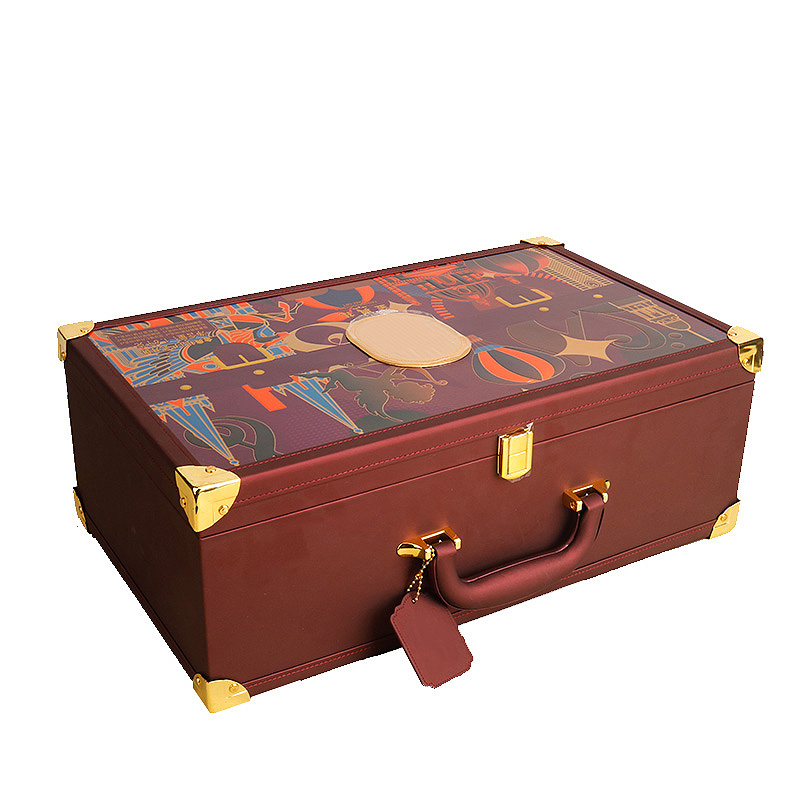
में 2026, folding cartons emphasize high-fidelity printing on diverse substrates like SBS and FSC-certified paperboard, utilizing water-based and UV LED inks. Advanced finishing techniques, including foil stamping and spot UV, combine with smart technologies like QR and NFC codes, enhancing both visual appeal and consumer interaction.
The packaging industry in 2026 continues to advance, pushing creative boundaries for both aesthetic appeal and functional design. Brands are focusing on folding cartons that do more than just protect products; they aim to tell a compelling story through visual and tactile elements.
This innovation includes adopting sustainable materials, achieving precision in printing, and employing sophisticated finishing techniques. Integrating smart technologies further transforms how consumers engage with packaging, opening new avenues for interaction.
Evolving Substrates and Printing Precision
Sustainability drives many material choices today, with increased use of FSC-certified paperboard and other renewable sources. These materials are setting new benchmarks for eco-friendly packaging options for 2026. Baili Paper Packaging offers extensive choices in such टिकाऊ सामग्री.
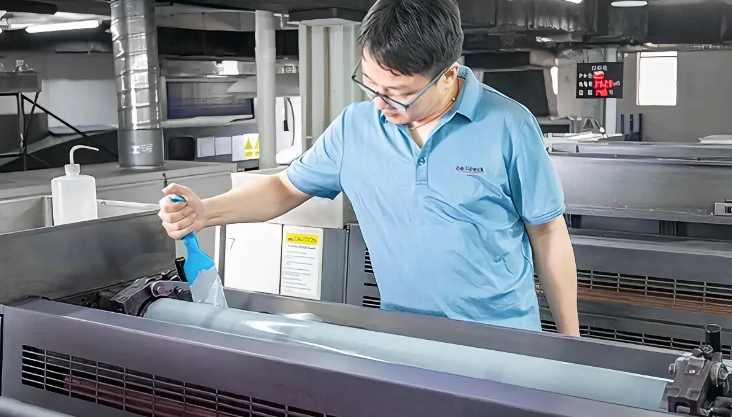
इसके अतिरिक्त, fully automatic registration systems guarantee precise print alignment. This ensures consistent quality across all production runs, maintaining brand integrity from the first carton to the last.
Innovative Finishing and Smart Enhancements
The industry is actively transitioning towards water-based and UV LED inks. These alternatives comply with current environmental regulations and contribute to reduced energy consumption during the printing process, reflecting Baili Paper Packaging’s commitment to eco-conscious practices.
Embedding QR codes and NFC tags directly into folding cartons enables direct consumer engagement. This allows for straightforward product authentication, easy access to detailed information, and interactive brand experiences.
Optimizing board caliper is another critical aspect, balancing structural integrity with print fidelity and cost efficiency. Baili Paper Packaging leverages its material and structural expertise to help clients achieve this optimal balance.
Consumer-Centric Packaging Innovations

में 2026, consumer-centric folding carton innovations focus on smart, connected features, advanced protective structures, and enhanced accessibility.
This includes integrating RFID and QR codes for traceability, using active materials for shelf-life extension, and designing for intuitive opening while maintaining safety standards. Material advancements and personalized digital content further empower consumers with information and choice.
Modern folding carton design increasingly centers on the end-user. This approach ensures packaging is not just protective, but also intuitive, informative, and engaging.
Innovations prioritize ease of use, clear communication, and enhanced safety, reflecting evolving consumer expectations and market demands.
Enhancing User Experience with Smart Features
Packaging is evolving beyond mere containment. It now incorporates intelligent features that actively improve consumer interaction and product safety.
Baili Paper Packaging supports brands in integrating these smart features, ensuring compliance with global standards and enhancing consumer trust through detailed product information.
- Smart technologies like RFID and QR codes offer consumers real-time product data and traceability, adhering to GS1 Digital Link standards.
- Active packaging solutions, such as oxygen scavengers and antimicrobial films, extend product freshness for 2026, aligning with ISO 22000 food safety protocols.
- Packaging is designed for accessibility, incorporating features for easy opening (आईएसओ 17480) and child resistance (आईएसओ 8317) में 2026.
Advanced Materials and Personalized Content
Beyond smart features, material science and digital capabilities are transforming how brands connect with consumers through packaging.
Baili Paper Packaging leverages extensive material expertise, including eco-friendly options, to provide advanced barrier solutions. इसके अतिरिक्त, our digital printing capabilities enable the creation of personalized packaging that drives deeper consumer engagement.
- Digital printing and AI-powered design enable on-demand personalized folding cartons for 2026, including detailed QR-code-based information journeys.
अंतिम विचार
Embracing folding carton trends beyond 2026 is not simply about keeping pace with the market—it’s about building packaging systems that can adapt as your brand grows. By integrating sustainable materials, efficient automation, and consumer-centric structural design, brands can strengthen compliance, control long-term costs, and enhance shelf appeal.
पर BailiPaperPack, we help translate these forward-looking strategies into reliable, production-ready पैकेजिंग समाधान. Through disciplined manufacturing processes and practical design execution, we support brands in capturing new market opportunities while building lasting consumer trust with packaging that performs as well as it presents.
अक्सर पूछे जाने वाले प्रश्नों
What are the trending packaging developments for 2026?
के लिए 2026, top packaging trends impacting folding cartons involve a significant move towards fiber-based and recyclable structures. This includes an increase in recycled-content paperboard and wider adoption of digital printing for customization.
Automation and AI are also integrating for quality control in converting lines. Forecasts suggest global cartonboard consumption will reach 56.3 million tonnes in 2026, with the folding carton market valued at around $132.8 अरब.
Are carton windows still widely used?
हाँ, carton windows remain popular and are a growing segment within folding cartons. Global demand for window carton boxes projects a 4–6% compound annual growth rate through 2031–2033.
Windowed boxes and cartons are expected to account for roughly half of all window packaging revenue in 2026. This positions them as the leading product type for windowed formats.
Will AI fully replace human packaging designers?
नहीं, AI will enhance and partly automate aspects of packaging design. This includes concept generation, structural optimization, and personalization. It will not fully replace human packaging designers in the foreseeable 2026–2035 future.
Market analyses consistently view AI as a tool embedded in design workflows, assisting human designers with brand strategy, customer experience, and regulatory decisions rather than completely substituting them. The AI in packaging design market expects growth from approximately USD 3.2 million in 2026 to USD 10.0 million by 2035, reflecting its rapid adoption as a design aid.