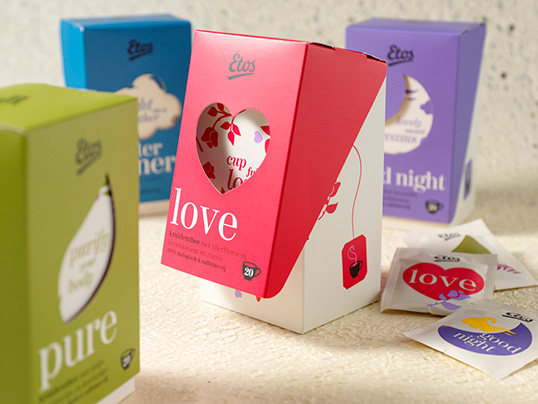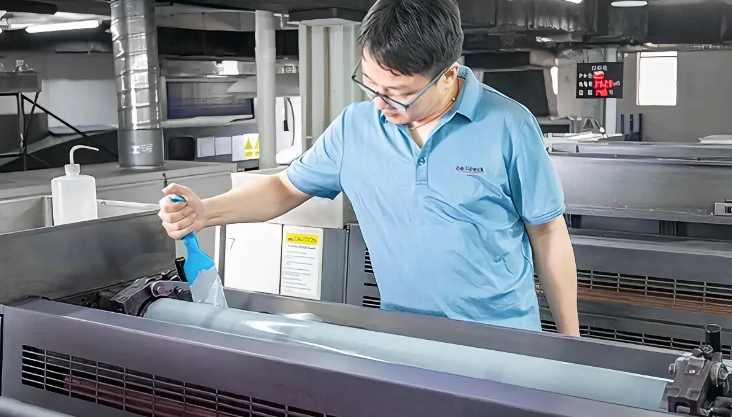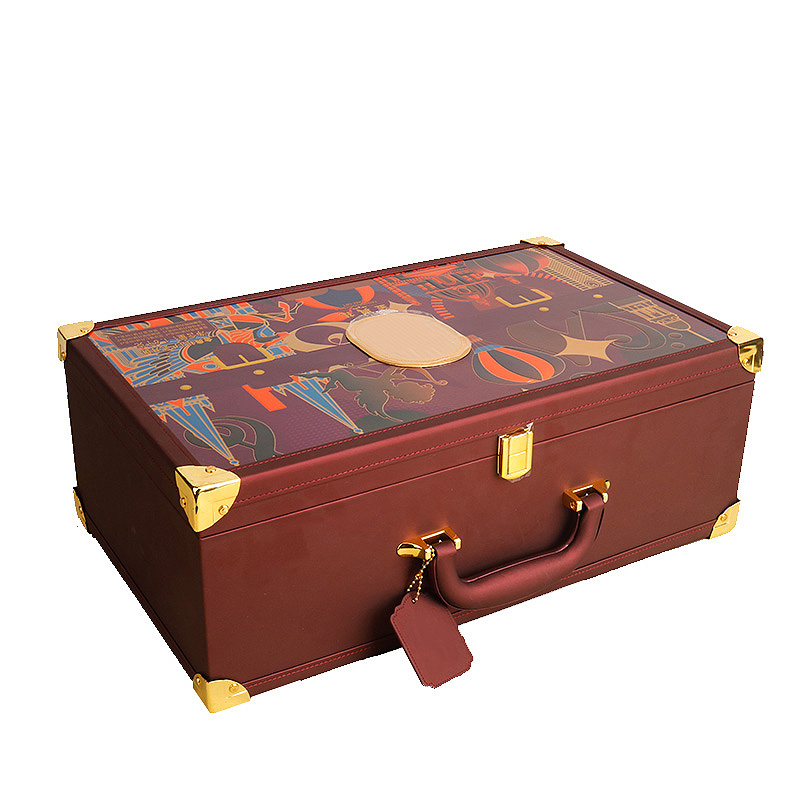
Food packaging is more than just protection—it plays a critical role in food safety, ブランド認知, そして棚アピール. Choosing the right folding cartons can directly impact product freshness, compliance, and consumer trust.
In this guide to the Best Folding Cartons for Food Packaging You Should Know, we’ll explore the most suitable carton types, 材料, and design considerations for food applications. As an experienced packaging manufacturer, We 百里紙包装 specializes in producing high-quality, food-safe folding cartons tailored to different food categories, helping brands achieve both safety and standout presentation in competitive retail markets.
材質の選択: SBS, クラフト, and Coatings
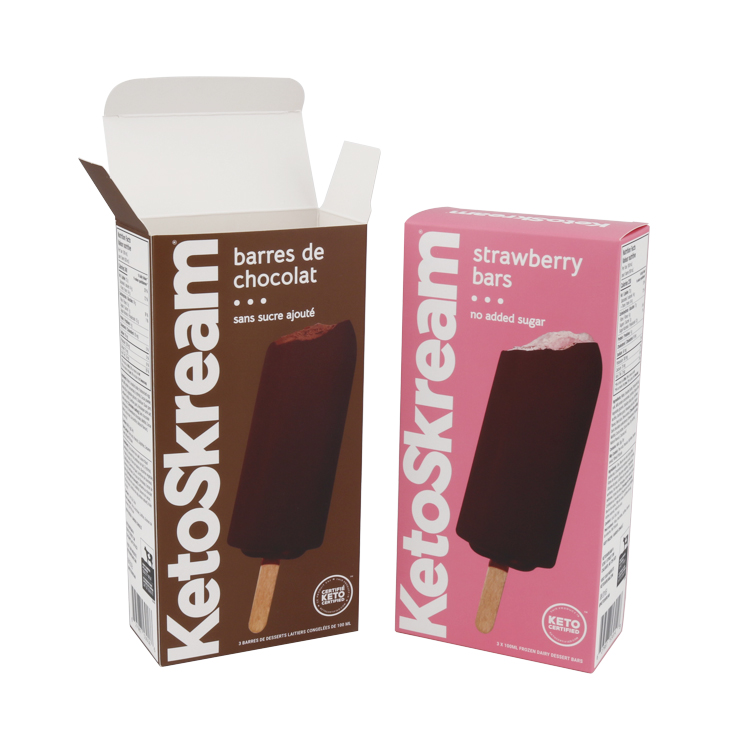
Selecting the right cartonboard for food packaging in 2026 means choosing between premium SBS for printability and Kraft for strength. Functional coatings, like PE or grease-resistant options, are critical for barrier properties. They ensure product integrity and safety for diverse food types, from dry goods to frozen meals.
Understanding SBS and Kraft Substrates
Choosing the right paperboard substrate is fundamental for food packaging. It affects both how the package looks and how well it protects the product.
- SBS (固体漂白硫酸塩) is a premium, high-printability substrate. It comes with C1S/C2S coated surfaces, ideal for brand presentation.
- Kraft-based boards (CUK, CNK, SUS) focus on mechanical strength and toughness. They often contain at least 80% virgin fiber, like CUK. Imagine a sturdy cardboard box used for shipping; that’s the kind of toughness Kraft brings.
- SBS is often selected for lighter dry foods, bakery items, and over-the-counter pharmaceuticals. クラフト, with its robust nature, excels in frozen foods, 飲み物, and multi-pack carriers.
Caliper, GSM, and Functional Barrier Coatings
Beyond the base material, specific technical measurements and specialized coatings are vital. They ensure the packaging performs as needed, offering protection and enhancing shelf life.
- Folding cartons typically use board in a 10–32 pt (0.010–0.032 inch) caliper range and 180–380 g/m² GSM range. Caliper is like the thickness of the paperboard, while GSM is its density.
- Functional coatings include PE extrusion for frozen foods. 例えば, a 18–24 pt SUS board with PE coating is common. Grease-resistant coatings are used for bakery goods, often on 14–16 pt SBS.
- Advanced barrier options, such as bio-based PE Green and film laminations (OPP, PVC), provide enhanced protection. These guard against moisture, grease, and other elements, keeping diverse food categories safe. Baili Paper Packaging specializes in applying these precise functional coatings to meet specific brand needs.
Windowed Cartons: 長所と短所
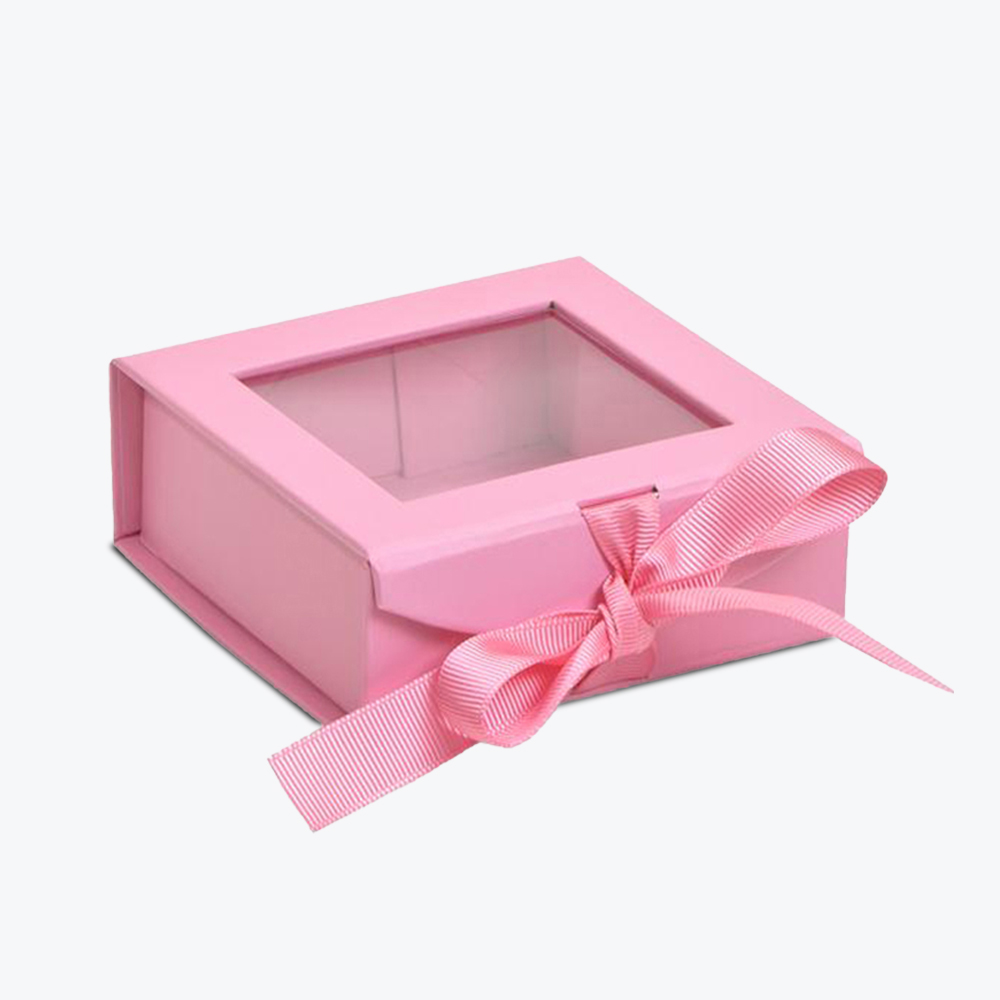
Windowed cartons offer visible product display, enhancing consumer appeal and trust. They also provide effective barrier properties for food items.
Their design and production involve specific material choices, such as 0.08 mm PET film and 337 GSM kraft paper. Film strength directly influences manufacturing speed and the overall carton structure.
Windowed cartons are a popular choice in food packaging, blending aesthetic appeal with practical protection. This design allows consumers to see the product inside, fostering confidence and making purchasing decisions easier.
Understanding both their benefits and the technical aspects of production helps food brands choose the best packaging solutions. Baili Paper Packaging specializes in tailoring these designs to meet specific brand needs and sustainability goals.
Advantages of Visible Product Packaging
Visible product packaging significantly impacts consumer perception and product integrity. The ability to see what they are buying reassures customers and reinforces brand trust.
- Product visibility builds consumer confidence, allowing buyers to see the item before purchase.
- あ 0.08 mm biaxially oriented PET film provides excellent gas and moisture barrier properties, which helps keep food fresh.
- PET film offers high tensile strength and thermal stability, suitable for temperatures ranging from -58°F to 266°F. It can also tolerate oven use up to 356°F for 8 minutes and is microwave safe for 3 minutes at high power.
- The PET film used is a recyclable polymer, supporting sustainable packaging goals for 2026. Baili Paper Packaging prioritizes such 環境に優しい 材料.
Manufacturing and Material Considerations
Producing windowed 折り畳みカートン involves careful consideration of materials and manufacturing processes. These technical aspects ensure the cartons perform effectively while meeting production efficiencies.
- Carton bodies typically use 337 GSM kraft paper with an 18 GSM PE coating. This combination provides structural integrity and leak resistance.
- Window dimensions influence film choice: larger windows need stiffer, higher-gauge plastic, while smaller windows can use thinner BOPP or cellophane films.
- Production utilizes window-patching machines that apply adhesive and heat-seal the film. Film strength directly impacts production speed and cost efficiency.
- BOPP film is a common alternative, valued for its clarity, stiffness, and resistance to heat, 水分, and oil. Its cost-effectiveness makes it a popular choice in food packaging, a material expertise offered by Baili Paper Packaging.
Recyclability and Sustainability Options
Folding cartons are a highly sustainable packaging choice in 2026, widely recyclable through household paper streams and offering up to 99% fiber recovery.
Effective design for recyclability focuses on avoiding wet-strength agents and foil laminates, ensuring maximum environmental benefit.
As consumer demand for eco-friendly products grows, packaging choices become critical. Folding cartons stand out as a sustainable option, aligning with environmental goals for 2026 そしてその先へ.
Baili Paper Packaging supports brands in creating packaging that meets these high standards, emphasizing both performance and recyclability. Our approach ensures your products look good and contribute positively to a circular economy.
Recyclability in Household Streams
- Folding cartons are recyclable within the household mixed paper and board stream, as demonstrated in 2026. This makes disposal simple for end-users.
- Pulp yields frequently approach 99%, recovering valuable fiber, even with non-paper components like plastic windows removed. This high recovery rate means less waste and more reuse.
- Outer coatings such as varnishes or laminates do not prevent recycling if they fragment and separate in standard processes. The key is compatibility with existing recycling infrastructure.
Key Technical Considerations for Sustainable Design
Designing for sustainability involves understanding material science and recycling processes. Baili Paper Packaging provides expertise to navigate these technical aspects, ensuring your packaging is truly eco-friendly.
- Testing validates recyclability using standards like PTS-RH 021/97 (Version 2012) and DIN EN ISO 5263. Adhering to these benchmarks ensures your packaging meets global environmental requirements.
- Designers should avoid wet-strength resins and foil laminates, as these significantly impact recyclability in 2026. These materials make it harder for fibers to separate during pulping.
- Inner coatings like PE or PLA are recyclable if the base fiber is not treated with wet-strength agents. This allows for a balance between barrier function and environmental responsibility.
Choosing the Right Folding Carton for Your Product
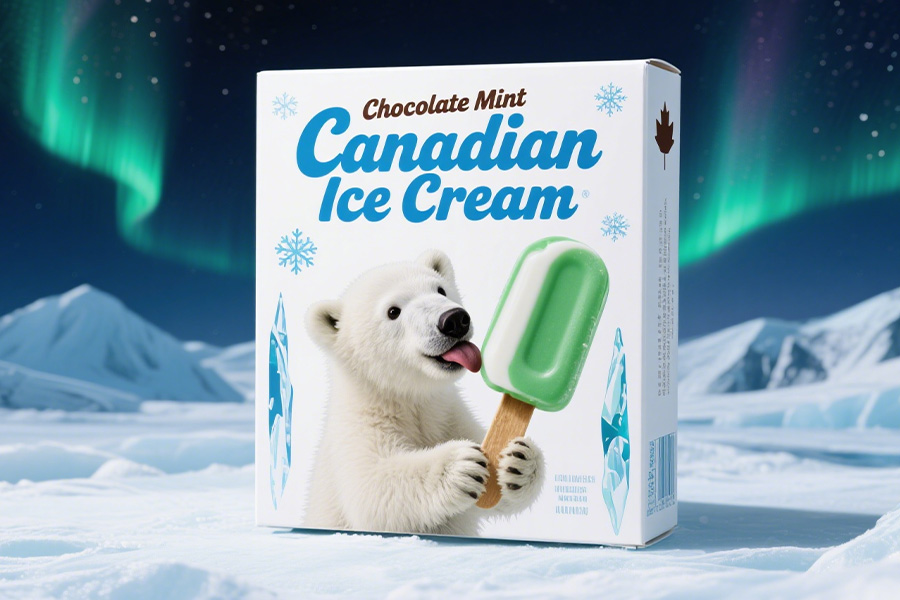
Selecting the ideal folding carton involves matching board grade, grammage, barrier properties, and structural style to product needs, while ensuring compliance with food-contact regulations and optimizing for filling line speeds. Considerations include materials like SBS or CUK, grammage from 160–600 g/m², and ECMA-standardized styles, all aligned with FDA and NLEA guidelines.
Choosing the right folding carton is essential for food products. The carton protects contents, 消費者を惹きつける, and meets regulatory standards. It also ensures smooth operations on production lines.
This decision requires a balanced approach. You must consider material properties, structural integrity, and how it performs during packaging. Baili Paper Packaging helps brands navigate these choices effectively.
| 要素 | Key Consideration | Baili’s Approach |
|---|---|---|
| Board Grade | Choose based on product type, desired aesthetics, and required strength (例えば, SBS, CUK, CRB, CNK). | Offers a range of board grades; guides selection for optimal product fit and sustainability. |
| Grammage | Determine stiffness, stackability, and support for product weight (160–600 g/m²). | Recommends appropriate grammage for structural integrity and efficient line performance. |
| バリア特性 | Protect products from grease, 水分, or heat for specific applications (例えば, ベーカリー, frozen). | Integrates tailored barrier systems, 環境に優しいオプションを含む. |
| Carton Style | Select based on product format, display needs, and ease of assembly (例えば, reverse tuck, crash-lock). | Provides diverse ECMA-standard designs and custom structural engineering. |
| Operational Efficiency | Ensure compatibility with automated filling lines and target packing speeds. | Engineers cartons for high machinability and fast production lines, optimizing throughput. |
| Regulatory Compliance | Adhere to FDA food-contact rules, NLEA labeling, and weights and measures standards. | Ensures materials, コーティング, and inks comply with global food safety certifications. |
Matching Carton Properties to Product Needs
The physical characteristics of a folding carton directly impact product protection and shelf appeal. Selecting the right materials and structure is crucial.
- Select board grades such as SBS, CUK, CRB, or CNK based on product type and desired aesthetics. Each offers different properties, from superior print surface to recycled content.
- Determine carton grammage, typically between 160–600 g/m², for required stiffness and stack strength. Proper packaging prevents product damage during transport and display.
- Incorporate barrier systems for grease, 水分, or heat resistance tailored to bakery, frozen, or microwave applications. This protection extends shelf life and maintains product quality.
- Choose ECMA-standardized carton styles like reverse tuck end, seal end, crash-lock, sleeves, or trays for product format. These styles optimize assembly and consumer access.
Operational Efficiency and Regulatory Compliance
Beyond protecting the product, a folding carton must perform well on packaging lines. It also needs to meet strict food safety and labeling laws.
- Engineer cartons for high machinability and compatibility with automated filling and sealing lines. Efficient design minimizes downtime and increases production throughput.
- Target packing speeds: manual up to 20 cpm, mechanically assisted 40–60 cpm, or fully automatic for over 100 cpm. The carton design directly impacts how fast a product can be packaged.
- Ensure compliance with FDA food-contact regulations for materials, コーティング, and inks. This protects consumer health and prevents product recalls.
Ready to upgrade your food packaging with reliable, compliant, and visually appealing folding cartons? Whether you need custom sizes, food-safe materials, or high-quality printing, partnering with the right manufacturer makes all the difference.
Baili Paper Packaging offers one-stop solutions for food packaging folding cartons, from material selection and structural design to mass production and quality control. Contact our team today to discuss your packaging needs and get a customized solution that helps your food products stand out and sell with confidence.
Unfold Your Brand’s Potential with Custom Folding Cartons
よくある質問
What types of food-safe coatings are used for folding cartons?
Food-safe coatings for folding carton food packaging typically consist of water-based (aqueous) or low-migration UV coatings. These coatings must be explicitly certified for food contact.
They adhere to regulations such as FDA 21 CFR 175.300 / 175.105 (私たち) and EU Framework Regulation (EC) 1935/2004, including specific migration limits under Regulation (欧州連合) 10/2011 and Swiss Ordinance SR 817.023.21.
Dry coat weights commonly range from 2–6 g/m² for overprint or barrier coats on paperboard, varying with the required barrier level and process.
How is grease resistance measured in food packaging, and what are the key requirements?
Grease resistance in folding carton food packaging is measured using the Kit Level system, which quantifies oil and grease barrier performance. Kit Levels range from 1 に 7, with higher numbers indicating superior resistance.
例えば, packaging for most food items uses 14-16pt SBS board with grease-resistant coatings for bakery items, while frozen foods need 18-24pt SUS with PE coating. Coatings must perform up to 60 degrees Celsius for hot food applications, maintaining barrier integrity even after creasing or folding.
Materials must resist oil and fat penetration without compromising structural integrity. Regulations like FDA 21 CFR 176.170 and EU 1935/2004 apply, with PFAS-free compliance gaining importance. Water-based emulsion alternatives achieve comparable performance to traditional fluorochemicals.
What makes printing on folding carton food packaging safe?
Printing on folding carton food packaging is safe when only food-contact compliant substrates and inks are used. Migration from the print to food is controlled below 0.01 mg/kg for non-evaluated ink substances, under documented Good Manufacturing Practices (GMP) and certified food safety schemes.
Inks and coatings must be formulated from components cleared under 21 CFR Parts 170–186 for food contact or otherwise exempted. They apply on suitable boards like SBS or poly-coated virgin fiber boards for direct contact, under GMP (21 CFR 174.5) to prevent set-off or migration from adulterating food.
Switzerland’s printing ink ordinance limits non-evaluated ink components to non-detectable migration at 0.01 mg/kg and prohibits CMR substances, a criterion often adopted for printed food cartons. Printers demonstrate compliance via GFSI-benchmarked schemes like FSSC 22000 or SQF, HACCP-based hazard analysis, and raw material traceability.
How is recyclability determined for food-grade folding cartons?
For standard food-grade folding cartons made from paperboard, recyclability typically achieves ≥95–99% fiber recovery in established paper/board streams. This requires plastic windows or liners to be removed and the board to have no wet-strength treatment.
Recyclability is assessed against methods such as PTS-RH 021/97:2012 Cat. II and national minimum standards. These standards require high pulp yield, low rejects through a 0.7 mm screen, and limited stickies or specks for classification as ‘recyclable’.
An industry study found that approximately 90% of frozen food carton tonnage already uses recyclable paperboard grades.
What materials are commonly used for windows in folding carton food packaging?
For folding carton food packaging, window materials are almost always thin, transparent films such as PET, PVC, or BOPP. Food-contact grades are selected for recyclability or compostability and compatibility with inline window patching equipment and food packaging regulations.
Sustainable lines increasingly use recyclable PET and BOPP films or compostable bio-based films, often applied with water-based adhesives to maintain food safety and recyclability.
For the board itself in windowed food cartons, typical substrates include SBS/SBS+PE, SUS/Unbleached Kraft, or FBB. Many of these are offered with FDA 21 CFR 176.170 / 176.180–compliant coatings for direct or indirect food contact.