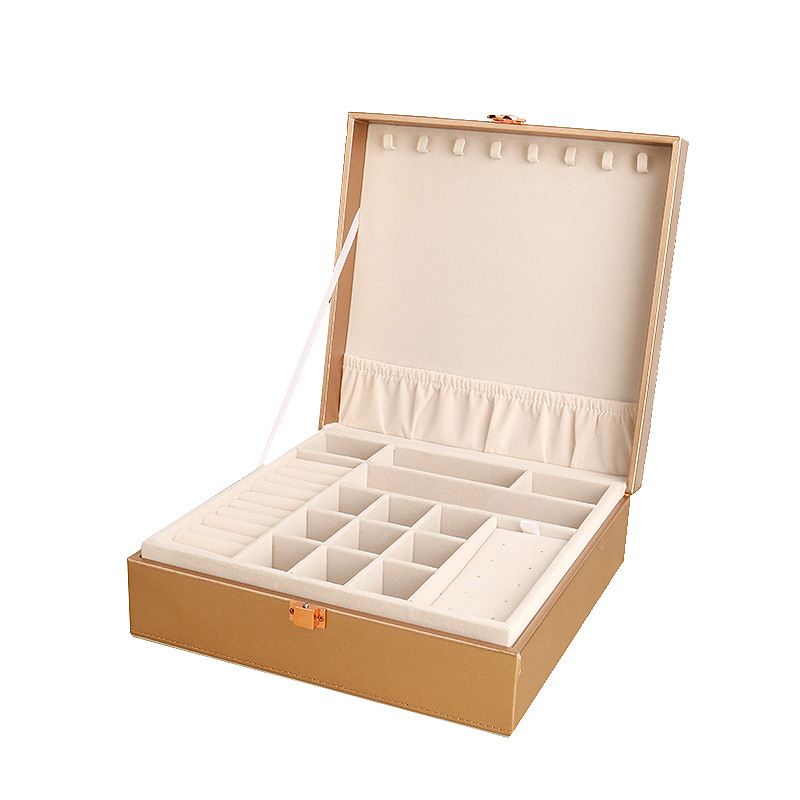
When it comes to paper box packaging, businesses often face a crucial decision — should they choose rigid boxes or folding cartons? Both serve as popular packaging types for retail and e-commerce, but they differ greatly in structure, 내구성, 비용, 그리고 브랜드 인지도.
| 특징 | 단단한 상자 | 접는 상자 |
| 재료 두께 | Thick (1.5–3mm paperboard) | Thin (0.3–0.6mm paperboard) |
| 구조 | Non-collapsible, sturdy | Collapsible, easy to store |
| 모습 | Premium and elegant | Practical and lightweight |
| 비용 | Higher due to material and labor costs | Cost-effective for mass production |
| Best For | 사치, 전자 제품, 선물 | FMCG, 화장품, retail items |
Both packaging types play essential roles in modern branding, and the right choice depends on your product’s needs and your brand’s identity.
What Are Rigid Boxes? (And When to Use Them)
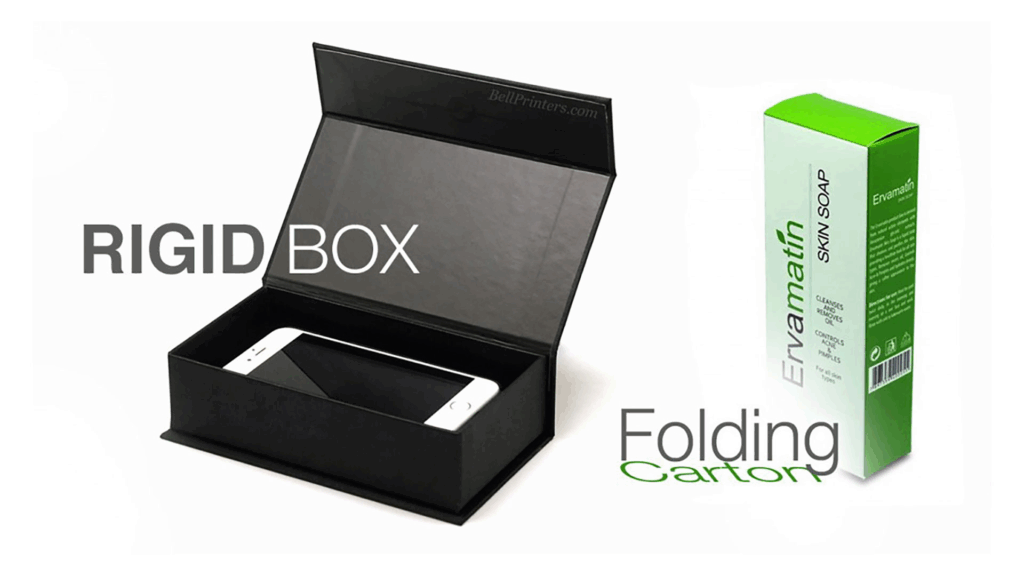
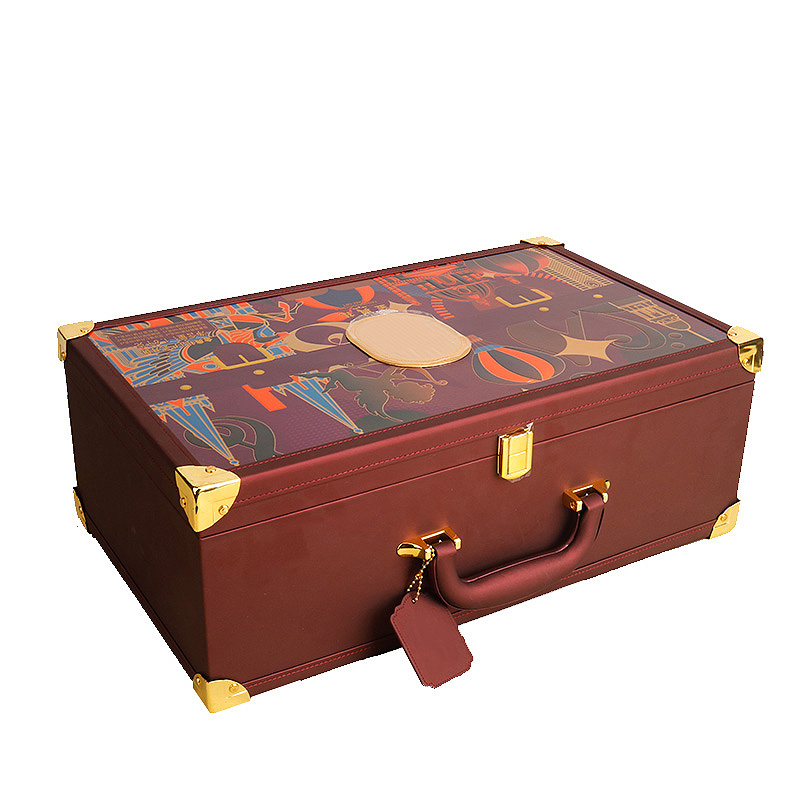
단단한 상자 are made of thick paperboard wrapped in decorative or printed paper. Unlike cartons that fold, rigid boxes keep their shape permanently, which makes them ideal for luxury items.
Features and Benefits
- Sturdy Construction
With dense paperboard walls, rigid boxes offer outstanding protection for fragile and premium products.
- 럭셔리한 매력
The unboxing experience feels refined, making it popular for products like smartphones, 향수, and jewelry.
- Premium 맞춤화
엠보싱과 같은 기술, 포일 스탬핑, and magnetic closures elevate the perceived value of your brand.
- Excellent Product Safety
They withstand pressure and shipping impact better than lightweight alternatives.
When to Use Rigid Boxes
Choose rigid boxes when you want your packaging to make a statement—when presentation and protection are equally important. They’re often used for:
- High-end electronics (phones, watches, cameras)
- Beauty and fragrance products
- Jewelry and gift sets
- Limited-edition or collectible items
For brands looking to balance luxury and practicality, a collapsible rigid box offers a modern solution—it folds flat for shipping yet retains that signature premium feel.
접이식 상자란 무엇입니까?? (And When to Use Them)
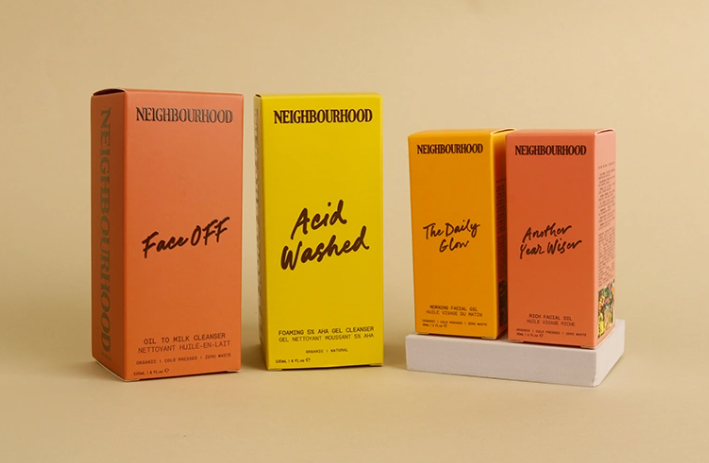
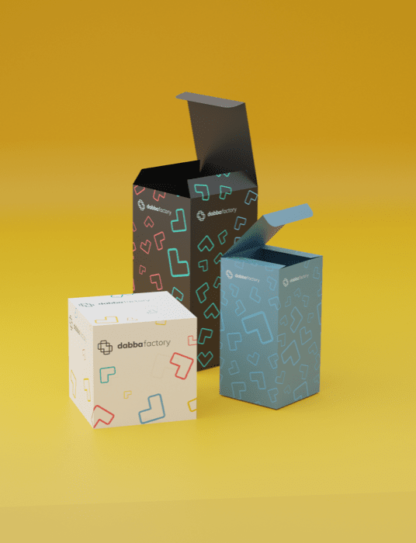
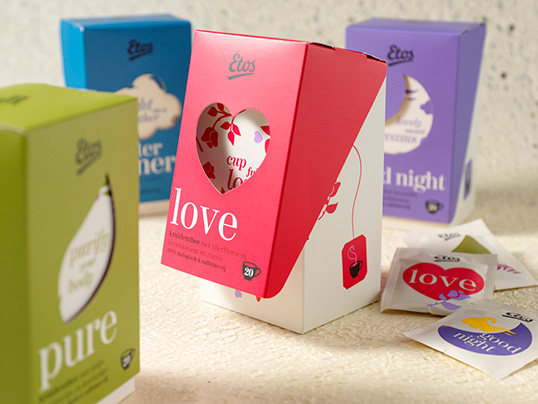
Folding carton style packaging is made from thinner paperboard and designed to be shipped flat, then folded and glued into shape when needed. It’s one of the most widely used packaging forms in the world.
Features and Benefits
- Lightweight and Flexible: 조립이 용이함, ship, and store, making it a cost-efficient option for large-scale production.
- 지속 가능한 선택: Most folding cartons are made from recyclable materials, helping brands meet eco-friendly standards.
- Customizable Surfaces: Perfect for printing brand colors, product details, and creative artwork for shelf appeal.
- Affordable and Scalable: Lower material and production costs make them ideal for fast-moving consumer goods (FMCG).
When to Use Folding Cartons
Folding cartons are ideal for everyday products and industries that rely on high production volumes, ~와 같은:
- Food and beverages
- 화장품 and skincare
- Pharmaceuticals and health supplements
- Small consumer electronics and accessories
Key Differences Between Rigid Boxes and Folding Cartons
Although both types fall under the paper packaging category, their differences go beyond appearance.
1. Structure and Assembly
Rigid boxes are non-collapsible and often hand-assembled for a solid, luxurious finish. 접는 상자, in contrast, are collapsible and machine-made for efficient mass production.
2. Material Strength
Rigid boxes use thicker paperboard (1.5–3mm), while folding cartons typically use thinner stock (0.3–0.6mm). This difference affects weight, 비용, 그리고 내구성.
3. Cost and Production Time
Rigid boxes are costlier due to thicker materials and manual labor. Folding cartons are faster and cheaper to produce in bulk, making them more budget-friendly.
4. Brand Image
Rigid boxes convey exclusivity and premium value, while folding cartons emphasize accessibility, 능률, 지속 가능성.
5. Cardboard vs Corrugated
Both packaging types use cardboard, not corrugated material. 골판지 상자, with their fluted layer, are better suited for shipping and protection, not retail display.
Disadvantages of Rigid Boxes
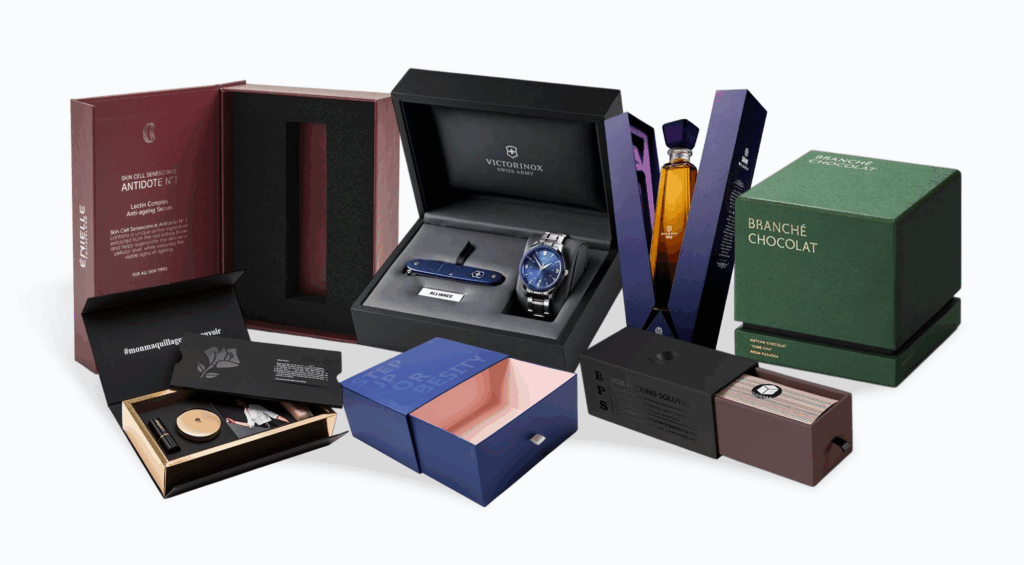
While visually impressive, rigid boxes come with some practical challenges that brands must consider.
1. Higher Manufacturing Costs
Due to thicker materials and manual assembly, rigid boxes cost more than other packaging types. Small brands may find them less budget-friendly.
2. Storage and Shipping Limitations
Rigid boxes don’t fold, taking up more space and increasing transportation costs. 하지만, a collapsible rigid box design can help minimize this issue.
3. Longer Production Time
Because of their intricate structure and finishing processes, rigid boxes generally take longer to manufacture.
4. Limited Sustainability
Some coatings and laminations can reduce recyclability, though eco-friendly alternatives are now available from many paper box packaging manufacturers.
Disadvantages of Folding Cartons
Despite their practicality, folding cartons do have a few downsides compared to rigid boxes.
1. Less Structural Strength
They can dent, bend, or tear under pressure—less ideal for heavy or fragile items.
2. Simpler Look and Feel
Folding cartons can’t fully replicate the luxurious, rigid feel that high-end packaging demands.
3. Limited Protection
While great for presentation, they don’t offer the same impact resistance as thicker rigid boxes or corrugated shipping containers.
Choosing the Right Packaging for Your Product
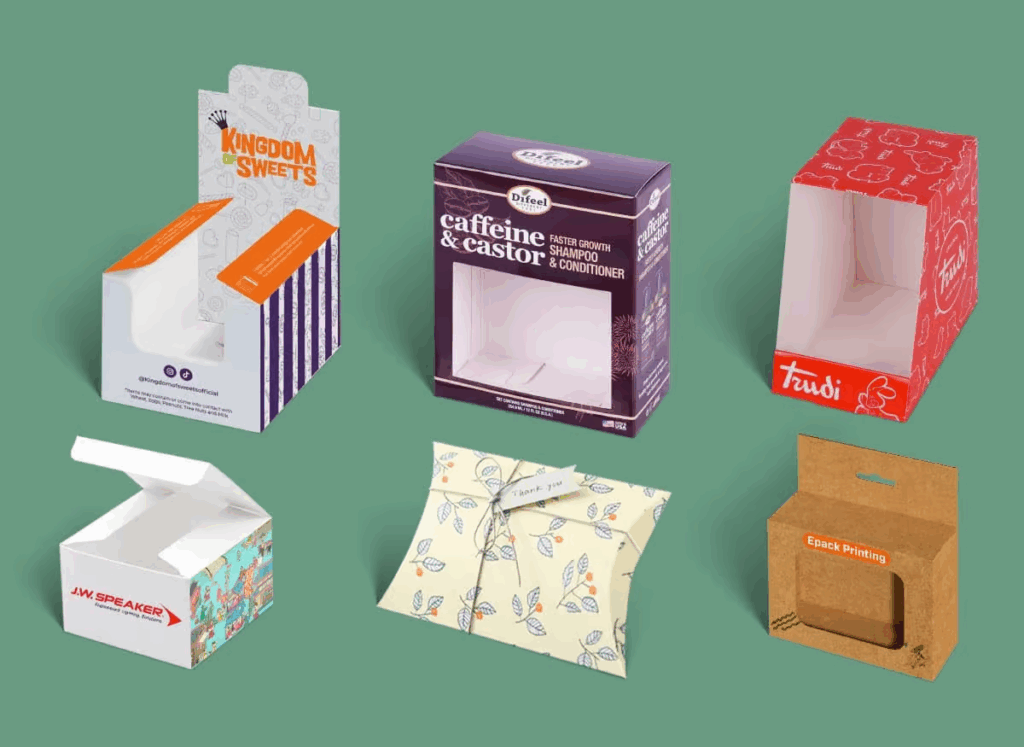
고려해야 할 요소
When deciding between rigid boxes and folding cartons, keep these key factors in mind:
- 제품 유형: Luxury or fragile items benefit from rigid boxes, while lightweight goods fit folding cartons.
- 예산: Folding cartons are the economical choice; rigid boxes are for high-end, low-volume products.
- Branding Goals: If your brand focuses on elegance and premium perception, rigid boxes make a stronger impression.
- 지속 가능성: Folding cartons are generally more recyclable and eco-friendly.
Which Industries Use Each of Them?
- 단단한 상자: 보석류, 전자 제품, 화장품, premium gift items, and specialty foods.
- 접는 상자: 소매, 음식 & 음료, 의약품, 개인 관리, and household goods.
Collaborating with a trusted paper box packaging manufacturer ensures you receive professional guidance, quality materials, and creative customization suited to your market.
결론
견고한 상자와 접이식 상자 포장 모두 테이블에 고유한 장점을 제공합니다.. 견고한 박스로 고급스러움을 강조, 보호, 그리고 브랜드 명성, 접이식 상자는 유연성을 제공하는 동시에, 지속 가능성, 비용 효율성.
귀하의 선택은 궁극적으로 브랜드 스토리와 고객 기대에 달려 있습니다.. 고급스러운 매력을 위해 접이식 견고한 상자가 필요한지, 대량 소매를 위한 친환경 접이식 상자가 필요한지 여부, 올바른 파트너가 모든 변화를 가져올 수 있습니다.
✨ Work with experienced packaging experts at bailipaperpackaging.com 제품을 보호할 뿐만 아니라 브랜드 인지도와 고객 경험을 향상시키는 포장을 디자인합니다..
FAQS
Why are rigid boxes more expensive than folding cartons?
Rigid boxes are more expensive due to their high-quality materials, manual assembly, and premium finishes. Many are hand-wrapped and feature special designs such as embossing, 포일 스탬핑, or magnetic closures.
While folding carton packaging is more affordable for large-scale production, rigid boxes deliver a more luxurious presentation and superior product protection—justifying the higher cost.
Are folding cartons strong enough for shipping?
Not by themselves. Folding cartons are designed primarily for retail display, not long-distance transport. For shipping, they’re often placed inside a corrugated outer box for protection.
This combination ensures your products remain safe while still presenting beautifully on retail shelves.
Are rigid boxes recyclable or eco-friendly?
예, many rigid boxes are recyclable, especially when made with eco-conscious materials and minimal coatings. 하지만, some luxury finishes—like lamination or metallic foil—can reduce recyclability.
Partnering with a sustainable paper box packaging manufacturer ensures your rigid boxes are designed to be both premium and environmentally responsible.