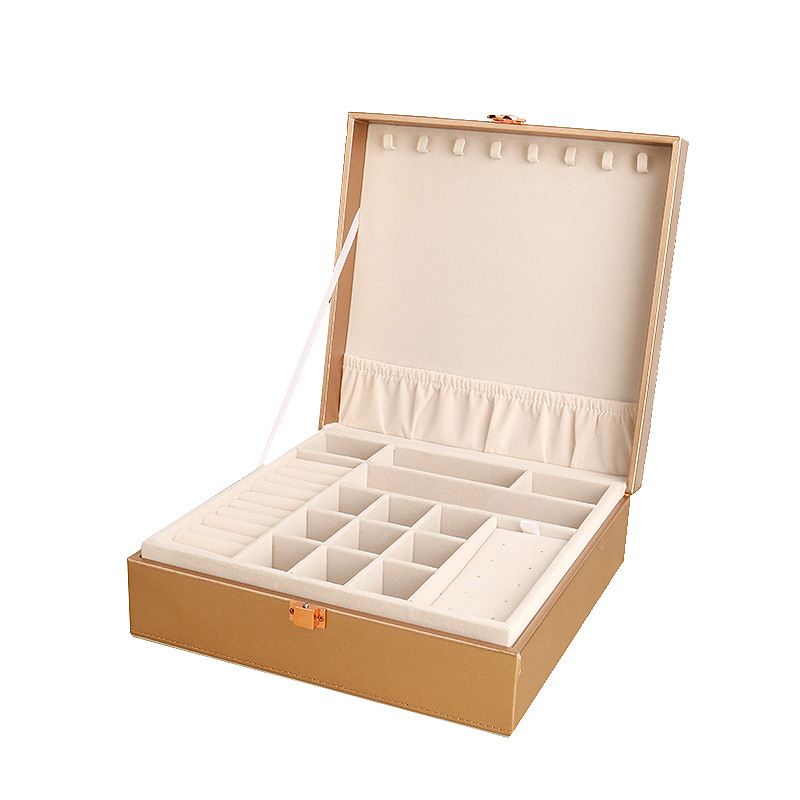
Marcas sustentáveis enfrentam pressão crescente para substituir embalagens convencionais por soluções que atendam a padrões ambientais rigorosos e satisfaçam clientes ecologicamente conscientes. Com o endurecimento das regulamentações e a mudança na demanda do mercado, escolher a estratégia certa de caixa de papel ecológica agora é uma decisão comercial crítica.
Este guia explora fatores regulatórios e tendências de mercado que moldam embalagens sustentáveis, principais opções de materiais, desde kraft até Papel certificado FSC, e abordagens de marketing eficazes que criam confiança e conformidade. Ele foi projetado para ajudá-lo a selecionar, fonte, e promova embalagens que apoiem os objetivos ambientais e comerciais da sua marca.
Por que embalagens sustentáveis agora são um requisito
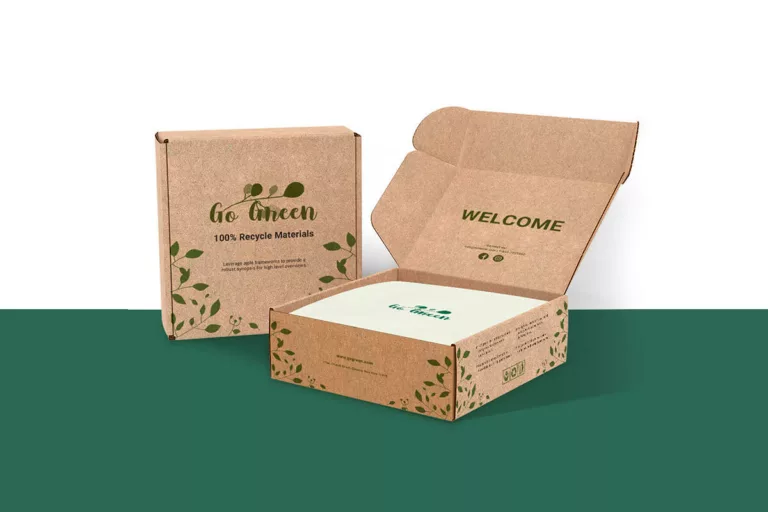
As embalagens sustentáveis são agora um requisito regulamentar e não uma tendência de mercado, com mandatos nos EUA, UE, e outras grandes economias que exigem reciclabilidade, conteúdo reciclado, e a eliminação de substâncias perigosas por 2025–2032. Empresas que não cumprirem serão punidas, taxas mais altas, e perda de acesso ao mercado.
Em nossa experiência trabalhando com marcas focadas em soluções ecológicas de caixas de papel, sustentabilidade não é mais opcional. Os governos estão aplicando regulamentações sobre embalagens, remodelando cadeias de abastecimento globais e cronogramas.
Regulamentos e prazos para embalagens sustentáveis
Múltiplas jurisdições estão introduzindo mandatos e prazos rígidos para incentivar as empresas a adotarem materiais recicláveis e seguros.
- Califórnia SB 54 requer redução plástica de 10% por 2027, 20% por 2030, e 25% por 2032.
- Califórnia exige conteúdo reciclado de sacolas de papel em 40% por 2025 e 50% por 2028.
- UE e EUA pretendem 100% embalagens recicláveis por 2030.
- As proibições de PFAS e substâncias perigosas começam já em agosto 2026.
- Prazos para inscrição de produtores: Julho 31, 2025 (CO) e agosto 31, 2025 (CA).
- A lei EPR de Washington visa a cobertura dos custos de reciclagem de 90% por 2032.
- Sobre 40% das empresas que deverão adotar embalagens sustentáveis até 2025.
Crescimento do mercado e tendências de adoção
O setor de embalagens sustentáveis está se expandindo rapidamente, impulsionado pela regulamentação e pela urgência ambiental.
| Métrica | Valor |
|---|---|
| Valor de mercado 2024 | $292.71 bilhão |
| Valor projetado 2029 | $423.56 bilhão |
| CAGR 2024–2029 | 7.67% |
| Poluição Plástica | 8 milhão toneladas métricas/ano nos oceanos |
| Adoção esperada por 2025 | 40%+ de empresas |
Marcas investindo em ecologicamente correto caixa de papel os designs agora estão se posicionando à frente dos concorrentes em um mercado preparado para crescimento a longo prazo.
Em nossa experiência em Embalagem de papel Baili, alinhar projetos de produtos com padrões globais emergentes – como certificações ISO e FSC – permite uma conformidade tranquila. Nossas soluções ecológicas de caixas de papel integram materiais reciclados, estruturas de resíduos reduzidas, e revestimentos sustentáveis verificados para ajudar as marcas a reduzir a responsabilidade e, ao mesmo tempo, atender às crescentes expectativas dos consumidores.
Papel kraft (O natural, Escolha certa)
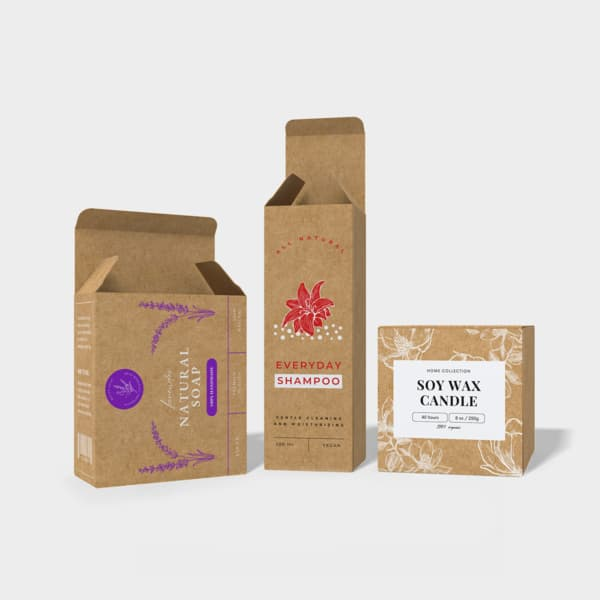
O papel Kraft é o principal material de embalagem ecológico para marcas sustentáveis, valorizado por sua aparência natural, alta resistência, e total reciclabilidade, com o mercado global projetado para atingir $14.24 bilhão por 2030. A sua adoção é impulsionada por proibições regulamentares de plásticos e pela forte procura de produtos biodegradáveis., soluções de embalagens compostáveis.
Em nossa experiência trabalhando com marcas sustentáveis e de luxo, o papel kraft continua a superar outros substratos tanto em termos de crescimento de mercado como de versatilidade. As empresas que buscam uma solução de caixa de papel ecologicamente correta geralmente consideram o kraft a combinação mais eficiente de durabilidade, reciclabilidade, e apelo da marca.
| 📊 Métrica | Valor / Projeção | 💡 Visão |
|---|---|---|
| Tamanho do mercado global 2025 | $12.5–US$ 19,2 bilhões | Varia de acordo com a segmentação |
| Projetado 2030 mercado | $14.24 bilhão | Impulsionado pela demanda por embalagens sustentáveis 🚀 |
| Projetado 2035 mercado | $30.39 bilhão | Alto CAGR nas economias emergentes 🚀 |
| CAGR 2025–2030 | 2.6% | Crescimento estável em todas as regiões |
| Líderes regionais do CAGR | 🇰🇷 5.9%, 🇺🇸 5.8%, 🇬🇧 5.7%, 🇪🇺 5.6% | Política forte e demanda do consumidor 🚀 |
| Participação no mercado Ásia-Pacífico | 39% (2024) | Liderança em papel cartão kraft cru |
| Domínio do tipo de máquina | Semiautomático 54% (2025) | Preferido para equilibrar custos & desempenho |
Características e aplicações dos materiais
O papel Kraft é produzido através do processo de polpação com sulfato, dando-lhe maior resistência à tração e resistência ao rasgo em comparação com papéis branqueados ou revestidos. Seu tom marrom natural aumenta seu apelo por uma marca ecologicamente consciente.
- Usado em caixas de papelão ondulado, papel de embrulho, camadas protetoras, e embalagens para serviços de alimentação.
- O kraft não branqueado oferece compostabilidade superior e pegada ambiental reduzida.
- Pode exigir tratamentos para resistência à água ou necessidades de impressão avançadas.
Nossas equipes de fabricação frequentemente integram fibra reciclada e revestimentos biodegradáveis para ampliar sua usabilidade e, ao mesmo tempo, manter a conformidade com os padrões ecológicos globais..
Reciclado (PCW) Cartão
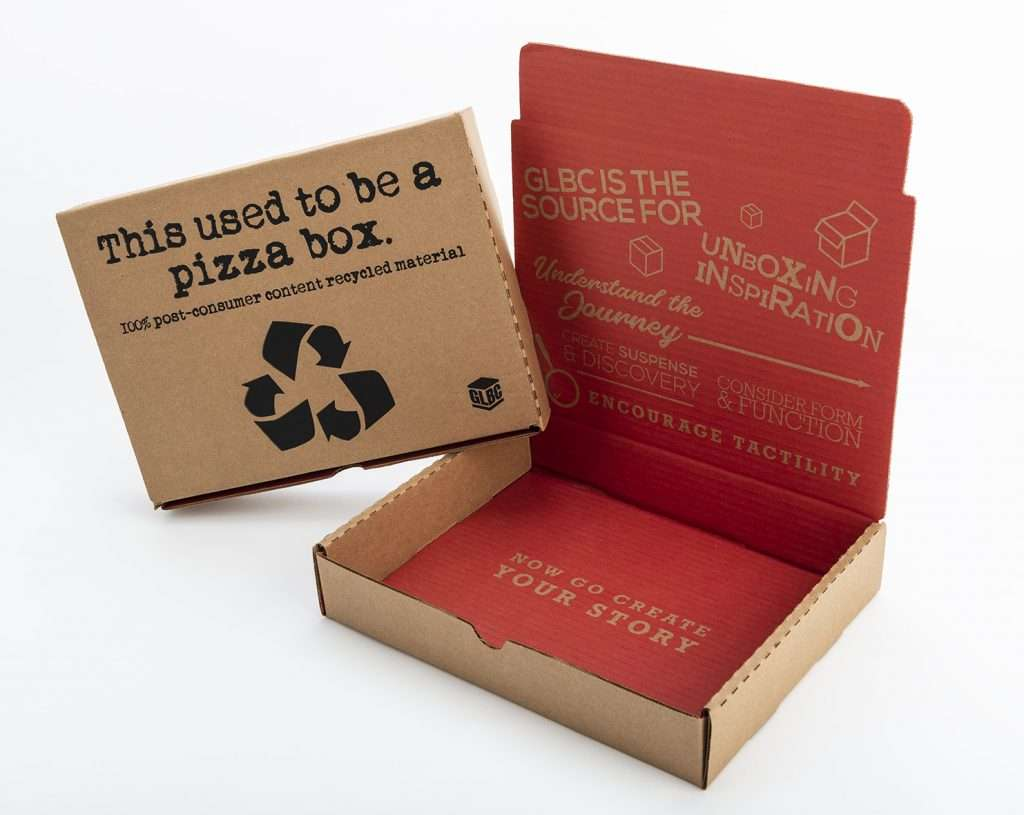
Reciclado (PCW) o papelão é a solução circular líder para embalagens ecológicas, com 61.0% de matéria-prima no mercado de embalagens de papelão projetada para ser resíduos de papel reciclado em 2025, impulsionado por mandatos de sustentabilidade e vantagens de custo.
O papelão reciclado tornou-se uma escolha central de material para marcas sustentáveis que precisam de uma solução de caixa de papel ecologicamente correta. Em nossa experiência, apoia a responsabilidade ambiental e a eficiência de custos, alinhamento com os princípios da economia circular.
Visão geral do mercado de papelão reciclado e dados principais
A mudança global em direção a embalagens sustentáveis está aumentando a demanda por papelão reciclado. Por 2025, resíduos de papel reciclado irão compensar 61.0% de matérias-primas no mercado de embalagens de papel-cartão.
| 📊 Métrica | Dados |
|---|---|
| Taxa de reciclagem de papel nos EUA (2024) | 60%-64% ✅ |
| Taxa de reciclagem de papelão nos EUA (2024) | 69%-74% ✅ |
| Artigo dos EUA & Volume de papelão reciclado | 46 milhões de toneladas 📦 |
| Mercado de papelão reciclado não revestido (2025-2034) | Crescimento de $20.97B 🚀 para $30.59B, CAGR 4.3% |
| Líderes Regionais | América do Norte 🏆; Ásia-Pacífico 🚀 crescimento mais rápido |
Benefícios ambientais e de custo do papelão reciclado
Mudar de papelão virgem para papelão reciclado economiza energia de produção e recursos hídricos. Isto faz com que seja a escolha preferida para marcas sustentáveis que procuram reduzir a pegada ambiental..
- Apoia sistemas de reciclagem de circuito fechado e reduz as emissões de carbono.
- Atende aos regulamentos de sustentabilidade e à Responsabilidade Estendida do Produtor (RPE) requisitos.
- Oferece eficiência de custos, tornando as embalagens mais acessíveis para as empresas.
Baili integra papelão reciclado em suas linhas de produtos, garantindo padrões de desempenho para clientes que buscam embalagens ecologicamente corretas sem sacrificar a durabilidade ou o estilo.
Desafios de mercado e perspectivas da indústria
Algumas empresas ainda se preocupam com a resistência e consistência das fibras recicladas. Essas percepções estão mudando com os investimentos contínuos em infraestrutura para melhorar a qualidade da fibra.
- Instalações de reciclagem atualizadas ajudam a melhorar a disponibilidade e a qualidade dos materiais.
- Compromissos de sustentabilidade corporativa e regras ambientais impulsionam a adoção.
- O crescimento do mercado continua à medida que os consumidores mostram uma preferência mais forte por embalagens ecológicas.
Dadas essas tendências, o cartão reciclado deverá continuar a ser uma escolha competitiva e sustentável para os compradores de embalagens durante a próxima década.
Eleve a sua marca com embalagens sustentáveis feitas sob medida
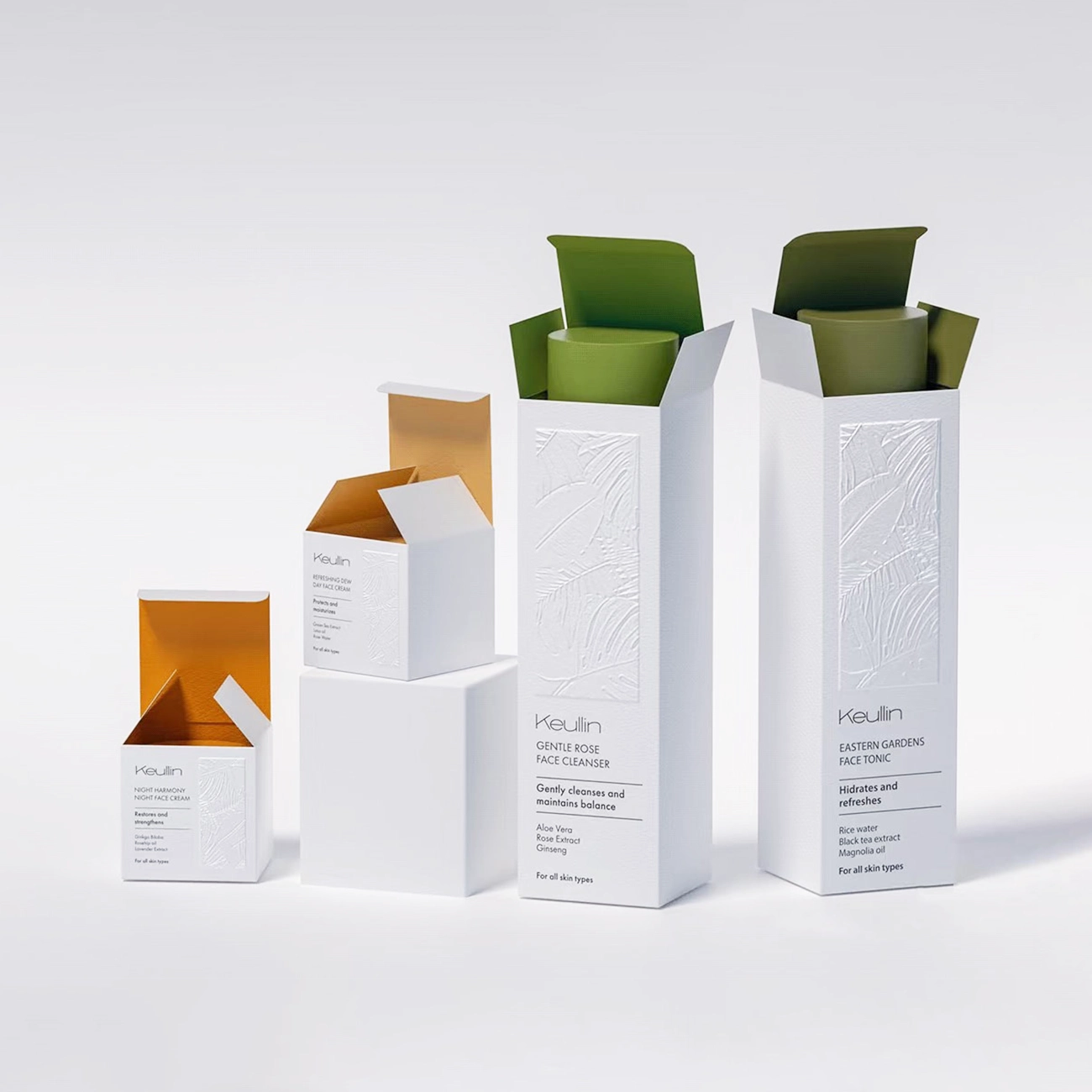
Faça parceria com a Dongguan Baili Paper Packaging para obter caixas personalizadas premium feitas de materiais ecológicos que protegem seus produtos e amplificam o impacto da sua marca. Experimente um serviço perfeito do design até a entrega, adaptado às suas necessidades exclusivas de embalagem.
Papel certificado pelo FSC
O papel certificado pelo FSC é o padrão mais amplamente reconhecido e verificável para fornecimento sustentável de papel, cobrindo 150 milhões de hectares das florestas em todo o mundo e envolvendo mais de 50,000 empresas com certificação de Cadeia de Custódia FSC a partir de 2025. Garante uma gestão florestal responsável, rastreabilidade, e salvaguardas ambientais e sociais robustas.
Para marcas sustentáveis que buscam fontes confiáveis, Papel certificado pelo FSC se destaca como referência confiável. É uma consideração fundamental para as empresas que pretendem equilibrar objetivos ecológicos com padrões fiáveis da cadeia de abastecimento.
O FSC (Conselho de Manejo Florestal) estabelece um padrão reconhecido mundialmente para manejo florestal responsável e fornecimento sustentável de papel. A certificação requer independência, auditorias de terceiros e um sistema completo de rastreamento de cadeia de custódia para transparência.
A partir de 2025, As florestas certificadas pelo FSC cobrem mais de 150 milhões de hectares em todo o mundo, apoiando a biodiversidade e práticas de colheita sustentáveis.
Principais dados sobre papel certificado pelo FSC
| Métrica | Valor |
|---|---|
| Área florestal global com certificação FSC (2025) | 150 milhões de hectares |
| Área florestal certificada pelo FSC nos EUA & Canadá (2022) | 64.9 milhões de hectares / 160.3 milhões de acres |
| Certificados mundiais de Cadeia de Custódia FSC (2025) | 50,000 empresas |
| Certificados de Cadeia de Custódia FSC dos EUA (2022) | 2,238 certificados / 3,222 empresas / 5,667 sites |
| Reconhecimento do consumidor em 33 países (2023) | 46% reconhecer o logotipo do FSC |
| Redução da taxa de desmatamento (2000–2010) | 74% menor em concessões certificadas pelo FSC |
| Novo padrão FSC dos EUA em vigor | outubro 2025 (transição até outubro 2026) |
Benefícios do papel certificado pelo FSC para compradores B2B
- Cadeia de fornecimento transparente com rastreabilidade verificável garantida por auditorias de terceiros
- Apoia a silvicultura sustentável com salvaguardas ambientais e sociais robustas
- Reduz os riscos de degradação florestal e desmatamento
- Fortalece a sustentabilidade da marca, atraente para clientes ecologicamente conscientes
- Favorecido pelas ONGs e citado em estudos revisados por pares como mais credível do que alternativas como PEFC e SFI
Em nossa experiência, mudar para opções certificadas pelo FSC também pode agilizar a conformidade com os principais varejistas e com os mandatos internacionais de sustentabilidade.
Como comercializar sua embalagem ecológica?
O marketing de embalagens ecológicas funciona melhor quando as marcas destacam o impacto ambiental, conformidade regulatória, e valores do consumidor, não apenas economia de custos. As embalagens sustentáveis influenciam as decisões de compra e a fidelidade à marca nos mercados B2B e de consumo.
Em nossa experiência, as campanhas de embalagens ecológicas de maior sucesso equilibram dados concretos com valores humanos. Além do preço, compradores procuram provas de benefícios ambientais, credenciais de conformidade, e um ajuste com seus próprios objetivos de sustentabilidade. Essas dinâmicas de mercado estão remodelando a forma como as empresas falam sobre soluções de caixas de papel ecologicamente corretas em todo o mundo.
Visão geral do mercado e tendências de crescimento
O setor de embalagens ecológicas está se expandindo rapidamente em todas as regiões. Os dados de mercado destacam não apenas o crescimento global, mas também o forte desempenho regional liderado pela Ásia-Pacífico.
| Segmento | 2025 Valor | Valor previsto | Taxa de crescimento (CAGR) |
|---|---|---|---|
| Mercado global de embalagens verdes | USD 306.44 bilhão | USD 1,202.04 bilhão por 2033 | 7.5% |
| Mercado de embalagens sustentáveis | USD 373.8 bilhão | USD 845.16 bilhão por 2035 | 8.5% |
| Mercado Ásia-Pacífico | USD 48.07 bilhão | USD 92.60 bilhão por 2034 | 7.56% |
Estes números ilustram que a sustentabilidade não é um nicho – é um fator definidor no futuro dos mercados de embalagens em todo o mundo.
Principais motivadores por trás da demanda por embalagens ecológicas
Várias forças interconectadas estão impulsionando a adoção na indústria de embalagens ecológicas. As marcas estão agindo não apenas em resposta aos consumidores, mas também para cumprir leis cada vez mais rigorosas.
- Mandatos políticos e regulamentações mais rigorosas, como o Plano de Ação para a Economia Circular da UE e as leis EPR.
- Crescente demanda dos consumidores e compradores B2B por embalagens sustentáveis e transparentes.
- Inovação em materiais compostáveis e práticas de fabricação de economia circular.
- Foco da marca na redução da pegada de carbono e desperdício de embalagens.
Estes fatores combinam-se para criar um espaço competitivo onde os esforços proativos de sustentabilidade podem tornar-se diferenciais importantes.
Equívocos comuns e armadilhas de marketing
Muitas vezes vemos marcas caindo em armadilhas previsíveis ao promover produtos ecológicos em caixas de papel. Evitar essas armadilhas ajuda a manter a credibilidade e a ressonância com o público.
- Ênfase exagerada na redução de custos em vez de sustentabilidade verificada e credenciais regulatórias.
- Assumindo que todas as declarações biodegradáveis ou compostáveis são iguais sem certificação de terceiros.
- Acreditar que as embalagens ecológicas perturbam as cadeias de abastecimento existentes, apesar de muitas soluções serem projetadas para integração perfeita.
A correção desses equívocos fortalece a proposta de valor e cria confiança tanto com os compradores empresariais quanto com os consumidores finais..
Estratégias eficazes de marketing para embalagens ecológicas
Contar uma história convincente sobre embalagens ecológicas significa usar provas mensuráveis e narrativas relacionáveis. Em nossa experiência, a fórmula vencedora combina dados, certificação, e contação de histórias.
- Destacar impactos ambientais tangíveis, como redução de CO₂ e taxas de reciclabilidade.
- Apresentar certificações como ISO, FSC, e padrões de compostabilidade.
- Enfatize a conformidade com as regulamentações de embalagens globais e regionais.
- Demonstrar rentabilidade a longo prazo através da eficiência da cadeia de abastecimento e modelos de embalagens reutilizáveis.
- Use a narrativa para vincular os esforços de sustentabilidade aos valores da marca e às aspirações dos clientes.
- Combater as preocupações com os custos apontando para a inovação e as economias de escala que reduzem as disparidades de preços.
Quando executado de forma eficaz, essas estratégias criam um posicionamento de mercado que vai além do preço e constroem fidelidade à marca enraizada em princípios e desempenho.
As melhores opções de caixas de papel ecológicas para sua marca
Escolher a caixa de papel ecológica certa aumenta a sustentabilidade da sua marca, ao mesmo tempo que protege os produtos de forma eficaz. Aqui estão as melhores opções, começando com embalagem de papel Baili, especialista em customização, soluções de embalagens ecologicamente conscientes com foco na qualidade, flexibilidade, e certificações.
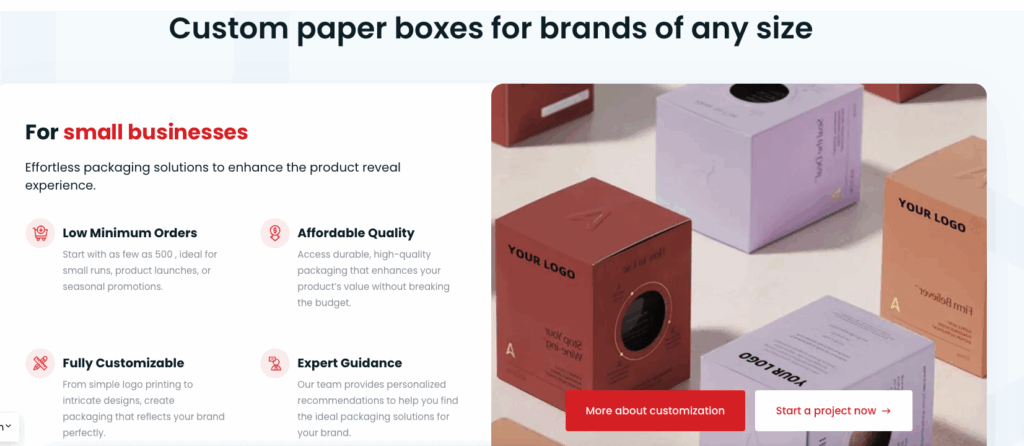
Embalagem de papel Baili melhor para: Startups, Marcas Próprias, Comércio eletrônico. Fornecemos soluções totalmente personalizadas para empresas que buscam embalagens sustentáveis, mas de alto impacto. Suas capacidades abrangem serviços OEM, ODM, e produção de marca própria, dando às marcas controle total sobre o design, materiais, e acabamento. Esta flexibilidade é apoiada por baixas quantidades mínimas de encomenda.
Com experiência em substratos premium, incluindo papelão rígido, papel revestido, e papéis com textura personalizada, Baili combina excelência material com opções decorativas avançadas. Processos como gravação em relevo, estampagem de folha, e UV spot permitem que as marcas obtenham uma apresentação de luxo distinta que aumenta o valor do produto e a experiência do cliente.
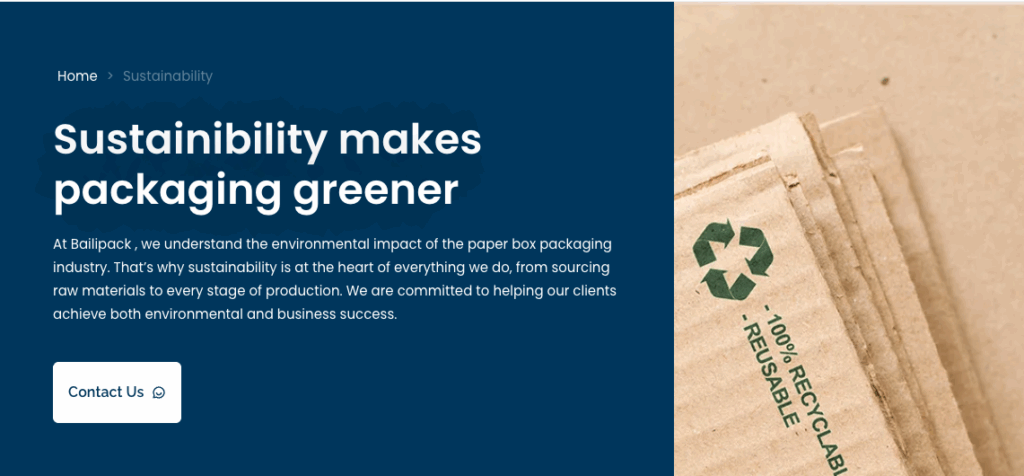
Seu compromisso ambiental é claro: a Baili utiliza materiais certificados pelo FSC e práticas de fabricação ecologicamente corretas, alinhadas com a ISO9001 e outros padrões globais.. Este equilíbrio de qualidade, sustentabilidade, e a eficiência da produção garantem que as marcas parceiras possam aumentar o apelo das embalagens e, ao mesmo tempo, reduzir o impacto ambiental.
Perguntas frequentes sobre caixas de papel ecológicas
As caixas ecológicas são à prova d'água?
A maioria das caixas de papel ecológicas não são inerentemente à prova d’água devido ao uso de fibras de papel biodegradáveis ou recicladas.. No entanto, tratamentos opcionais, como revestimentos à base de água ou laminações biodegradáveis, podem oferecer resistência à umidade sem comprometer a sustentabilidade.
Em nossa experiência, esses revestimentos são ideais para exposição de curto prazo à água, mas devem ser testados para as necessidades específicas do produto antes da produção em massa.
As caixas ecológicas podem ser impressas em cores?
Sim, eles podem ser impressos em cores usando materiais com certificação ecológica, tintas à base de soja ou à base de água. Isso garante uma marca vibrante, mantendo a conformidade com as regulamentações ambientais globais.
As marcas costumam escolher a impressão em cores CMYK para flexibilidade, mas a correspondência Pantone também está disponível para manter a consistência das cores corporativas.
Quais certificações garantem a sustentabilidade?
- ✅ FSC Certificação – Garante o fornecimento de papel proveniente de florestas geridas de forma responsável.
- ✅ ISO 14001 – Garante que os sistemas de gestão ambiental estejam em vigor durante a produção.
- ✅ Etiquetas de conteúdo reciclado – Confirma a porcentagem de fibras recicladas utilizadas.
Essas certificações agregam credibilidade e apelo aos clientes ecologicamente conscientes, ao mesmo tempo em que atendem aos padrões de conformidade internacionais.
As caixas recicladas são tão fortes?
As caixas de papel reciclado podem ser igualmente resistentes se forem projetadas com a densidade de material e o design estrutural corretos. Baili costuma usar opções de placas rígidas ou corrugadas de múltiplas camadas para atender aos padrões de durabilidade.
A resistência pode ser otimizada adicionando inserções de proteção ou usando tipos de papelão mais grossos, sem aumentar o impacto ambiental.
Como comercializar embalagens ecológicas de forma eficaz?
- 💡 Destaque certificações como FSC ou porcentagem de conteúdo reciclado em sua embalagem.
- 🚀 Use histórias sobre seus esforços de sustentabilidade em listas de produtos e mídias sociais.
- ✅ Incorpore ícones ecológicos visuais e tons terrosos para sinalizar a responsabilidade ambiental aos compradores.
Em nossa experiência, combinar dicas de design com afirmações factuais de sustentabilidade aumenta muito o envolvimento do cliente e a fidelidade à marca.
Embalagens sustentáveis não são mais uma tendência – estão se tornando uma exigência. Com opções como papel kraft, cartão reciclado, Materiais certificados pelo FSC, as marcas agora têm opções mais ecológicas do que nunca. A combinação certa de materiais certificados e design prático ajuda as empresas a manterem a conformidade, proteger o meio ambiente, e ainda alcançar forte apelo visual e durabilidade.
Para marcas prontas para seguir em frente, o sucesso vem da escolha de embalagens que atendam às novas regulamentações e às expectativas dos clientes, mantendo a produção tranquila e econômica. Trabalhar com um fabricante confiável de caixas de papel(por exemplo: bailipaperpack) facilita isso fornecendo certificações confiáveis, rigoroso controle de qualidade, e soluções personalizadas desde o início. Com o parceiro certo, a sustentabilidade se torna uma vantagem competitiva – aumentando a conformidade, fortalecendo sua posição no mercado, e construir uma confiança duradoura do cliente.