Designers, printers, and manufacturers face mounting pressure to deliver paper box packaging that stands out visually, meets sustainability requirements, and aligns with evolving production demands. Choosing the right printing method can directly impact cost, качество, and brand perception across competitive markets.
В этом руководстве, we’ll walk you through the most effective paper box printing techniques, premium finishing options, and the real difference between CMYK and Pantone when it comes to color accuracy and cost. By the end, you’ll know exactly how to choose the right process to keep your workflow smooth, your branding sharp, and your clients impressed.
Ready to bring your packaging vision to life? Посетите бумажную упаковку Baili to explore high-quality custom box solutions that elevate your brand from concept to production—let’s create something great together!
Why Your Print Technique Is Your Brand’s First Impression
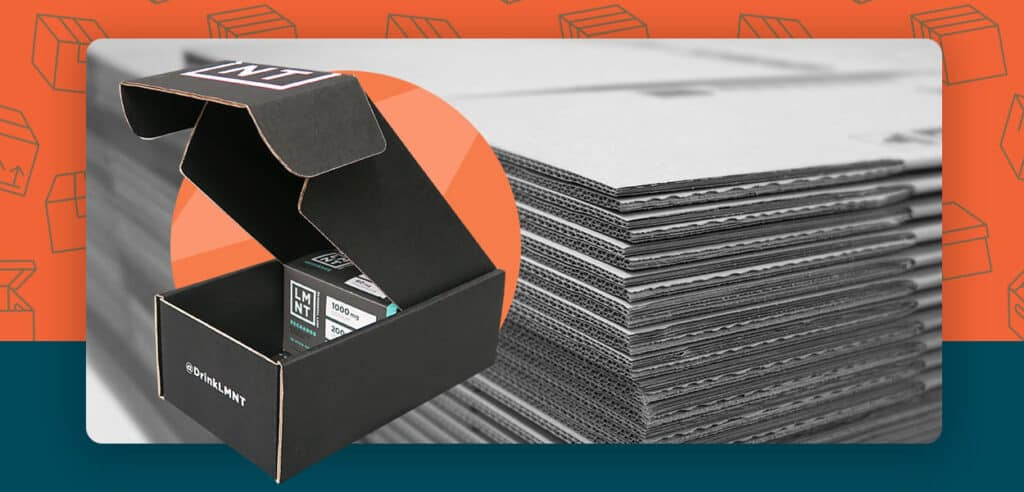
Your print technique is the first impression of your brand because consumers associate print quality—such as paper thickness, color vibrancy, and finishing—with credibility, professionalism, и надежность. High-quality print materials generate up to 35% higher attention and 75% brand recall compared to digital, directly influencing customer perception and purchase decisions.
По нашему опыту, the tactile and visual quality of print packaging communicates far more than just information—it tells consumers who you are as a brand. From the weight of the paper to the precision of the finish, every detail impacts how credible and memorable your products feel.
Impact of Print Quality on Brand Recall and Trust
Data consistently shows that print media outperforms digital in memory retention and trust. This is a critical insight for industries that rely on long-term customer relationships.
| 📊 Метрика | Print Performance | Digital Performance |
|---|---|---|
| ✅ Brand Recall Rate | 75%-77% | 46% |
| ✅ Consumer Trust | 82% trust print ads most | Lower perceived trust |
| 🚀 Attention Level | 35% higher attention | Baseline |
| 💡 Response Rate (Combined) | +25% with print + цифровой | Lower synergy |
The Role of Paper Thickness and Finishing in Perception
The physical feel and visual finish of printed materials create strong sensory connections. These qualities work as silent ambassadors of brand values.
- Thicker paper conveys luxury and professionalism, boosting conversion rates.
- Finishing techniques such as embossing, тиснение фольгой, and lamination reinforce brand personality.
- 92% of young adults (ages 18-23) find print easier to read and more engaging than digital.
- High-quality paper and precise finishing create lasting impressions that digital formats cannot replicate.
Strategic Importance of Consistent Print Standards
Consistency in print quality is non-negotiable if you want to maintain strong brand positioning, especially for premium markets like luxury goods and finance.
- Subtle differences in print quality are subconsciously noticed by consumers, affecting trust and perception.
- Poor print quality—such as flimsy paper or inconsistent colors—can damage brand reputation.
- Maintaining uniform print standards strengthens brand identity and builds customer loyalty.
- Professional-grade equipment and premium substrates are essential for executing brand vision through print.
Офсетная печать (The Gold Standard for Quality & Bulk)
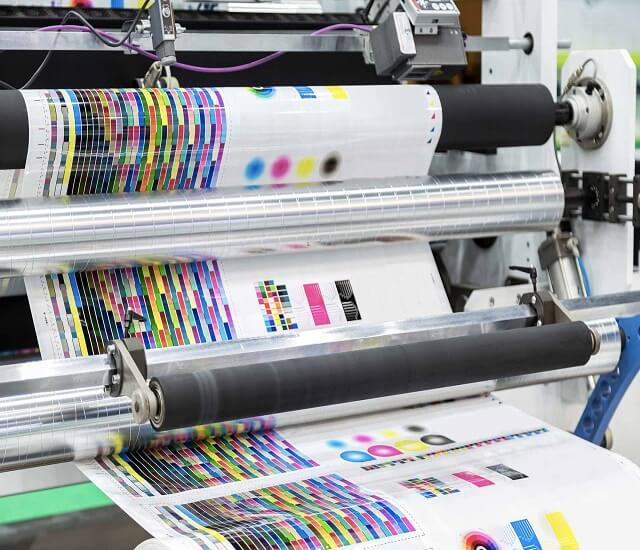
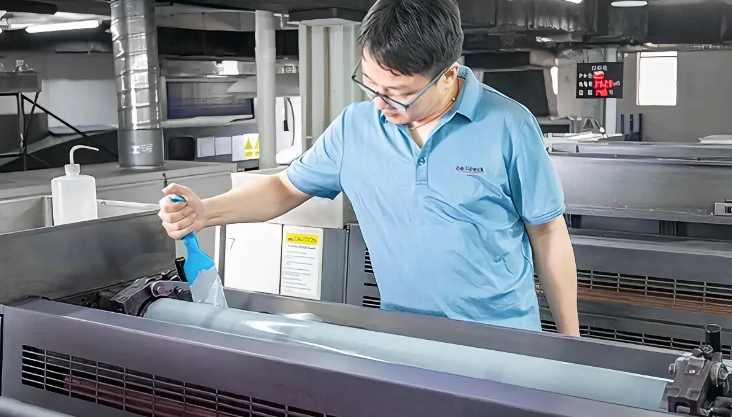
Офсетная печать remains the gold standard for high-quality and bulk paper box production, offering unmatched color fidelity, долговечность, and cost efficiency for large print runs, with market growth driven by packaging, publishing, and e-commerce sectors.
Offset printing has long been trusted by packaging manufacturers for its precision and scalability. По нашему опыту, it delivers consistent quality across thousands of units, making it a preferred choice for brands needing premium presentation and dependable bulk output.
Обзор рынка и тенденции роста
The offset printing industry is expanding rapidly, driven by packaging, publishing, and e-commerce demand. Global figures reveal an impressive upward trajectory.
| 📊 Метрика | Ценить |
|---|---|
| Размер мирового рынка (2025) | доллар США 3.48 миллиард |
| Projected market size (2034) | доллар США 11.38 миллиард 🚀 |
| Среднегодовой темп роста | 14.13% 🚀 |
| Service market (2025) | доллар США 309.73 миллиард |
| Machine sales (2025) | доллар США 2.89 миллиард |
| Regional share – Asia Pacific | 44.3% ✅ |
| Regional share – North America | 22.38% |
| Regional share – Europe | 17.91% |
Key Features and Applications of Offset Printing
Offset printing’s technical strengths make it a benchmark for large-scale packaging work. Whether producing складные коробки or catalogs, its efficiency stands out.
- Exceptional color consistency with up to 99% accuracy across large runs.
- Most cost-effective for runs exceeding 1,000 единицы, covering folding cartons, labels, гофроящики, catalogs, magazines, and brochures.
- Eco-conscious options include vegetable-based inks, recycled paper, and waterless printing techniques.
Practical Considerations: Costs, Setup, and Sustainability
Choosing offset printing involves weighing initial investment against long-term benefits. High-quality bulk output often justifies the expense for many brands.
- Initial press price ranges from USD 100,000 to several million dollars.
- Longer setup times than digital printing—spanning hours to days—impact production speed.
- Устойчивость efforts include recycled materials, vegetable-based inks, and waterless offset processes to meet environmental standards.
Critical Perspective and Industry Insights
Offset printing is sometimes undervalued due to the rise of digital technologies. In reality, it remains unmatched for large-volume, premium-quality packaging.
- Ideal for projects demanding consistent color fidelity and low unit cost at scale.
- Requires planning for higher upfront costs and longer lead times.
- По нашему опыту, the trade-off often delivers superior ROI for high-volume production.
Цифровая печать (Perfect for Short Runs & Настройка)
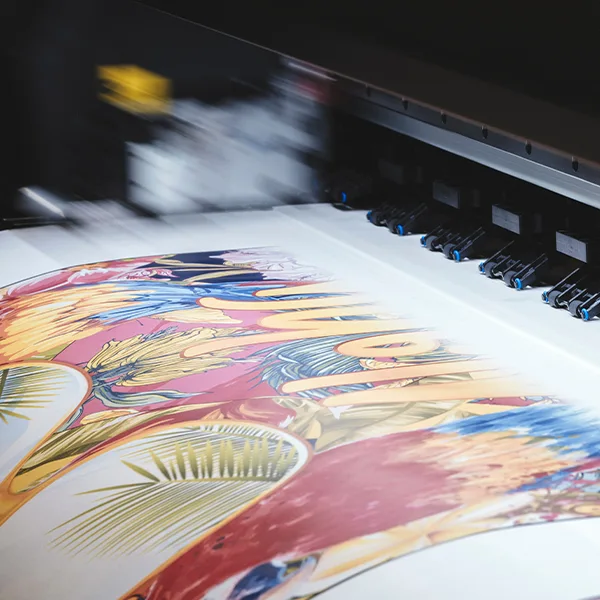
Digital printing is the leading technique for short-run and customized paper box production, offering fast turnaround, low minimum order quantities, and high-quality, variable designs at competitive costs.
In our experience supporting global brands, digital printing has transformed how businesses approach short-run packaging, seasonal campaigns, and rapid prototyping. Its agility enables brands to keep pace with fast-changing market demands without sacrificing quality.
Market Overview and Key Metrics
| 📊 Метрика | Ценить / Comparison |
|---|---|
| 🚀 Digital packaging market size | $20.6 миллиард к 2025 → $33.8 миллиард к 2035, Среднегодовой темп роста 5.1% |
| 📦 Market share | Digital printing at 15% of label sales, 4.1% of all printed packaging in 2025 |
| ✅ MOQ flexibility | Так низко, как 1 единица против 1,000+ for offset |
| 🚀 Turnaround speed | 1–3 days против 7–14 days for offset |
| 💰 Setup cost | $0–$50 vs offset’s $300–$1,000+ |
| 📷 Resolution capability | Exceeds 1,200 точки на дюйм on various substrates |
Advantages and Applications of Digital Printing
- Cost-effective short-run production — perfect for prototypes, seasonal packaging, and limited editions.
- Supports unlimited variable data and personalization — accommodating multiple SKUs, languages, and regional versions.
- No plate or lengthy setup needed — enabling rapid design changes and on-demand manufacturing.
- Reduces inventory waste — aligns with sustainable, just-in-time production goals.
- Works on a wide range of substrates — from coated to uncoated paperboard.
These benefits make digital printing particularly attractive for e-commerce and boutique brands seeking flexibility without overcommitting to large stock volumes.
Critical Perspective and Considerations
- Modern presses match or surpass analog resolution, achieving over 1,200 точки на дюйм.
- Per-unit cost can be higher for very large runs — but eliminating setup fees lowers total cost for small to medium jobs.
- Some advanced finishes and embellishments have limited compatibility — verify with your print provider.
- Best suited for brands that value speed, гибкость, and SKU diversity over the lowest cost for massive quantities.
In our experience at Baili Paper Packaging, these considerations drive technology selection for each client project, ensuring every packaging cycle aligns with strategic goals.
Поднимите свой бренд с помощью индивидуальной экологически чистой упаковки
Partner with Baili to create tailor-made, sustainable paper boxes that enhance product appeal and support your brand’s values. Experience seamless design-to-delivery service backed by 15+ years of industry expertise.
Flexographic Printing
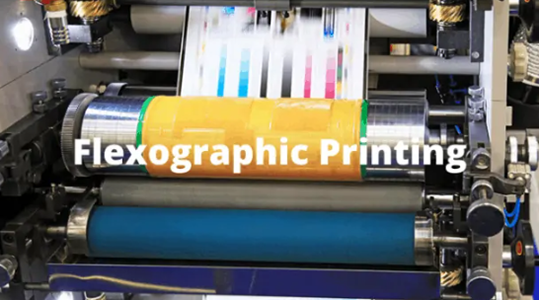
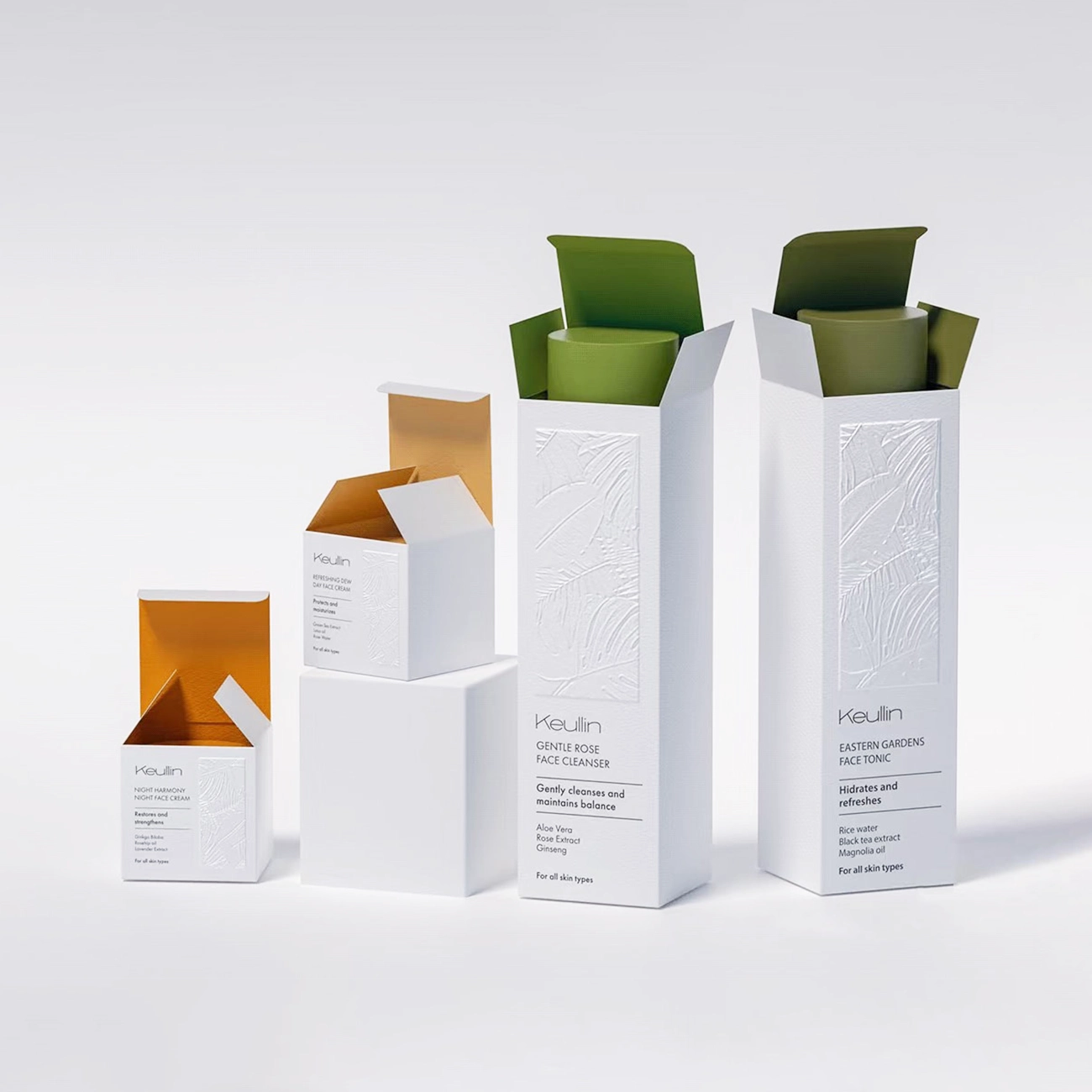
Flexography remains the dominant printing technique for shipping cartons and corrugated packaging, accounting for 64% of global flexographic revenue in 2024 due to its high-speed, cost-effective production and versatility across substrates.
По нашему опыту, flexography has long been the backbone of high-volume carton and corrugated printing operations worldwide. It offers an unmatched combination of speed, adaptability, and cost-efficiency that keeps it at the forefront of the market.
Market Overview and Key Data
The market figures underscore the scale and staying power of flexography. Demand remains strong as industries continue to rely on this process for shipping and transit-grade packaging.
| 📊 Метрика | Ценить |
|---|---|
| Global Flexographic Printing Market Value (2024) | $230.5 миллиард |
| Flexographic Printing Market CAGR (2025–2029) | 🚀 3.0% |
| Flexographic Printing Machine Market Value (2025) | $1.352 миллиард |
| Flexographic Printing Machine CAGR (2019–2033) | 🚀 5.2% |
| Flexographic Printing Inks Market Value (2025) | $14.2 миллиард |
| Corrugated Board Share of Flexo Revenue (2024) | 64% |
| Flexible Packaging Share of Flexo Revenue (2024) | 31.1% |
| Flexo Press Market Regional Share (2024) | 🌎 North America 40%, Европа 30%, Asia Pacific 23% |
Why Flexography Excels for Shipping Cartons
Flexography delivers measurable advantages for corrugated shipping cartons, especially where consistent, large-scale output is essential. It integrates seamlessly into contemporary B2B manufacturing lines.
- High-speed, high-volume output on corrugated substrates supports fast logistics and e-commerce supply chains.
- Cost-effective runs thanks to efficient ink use and compatibility with water-based, eco-friendly formulas.
- Versatility across substrates including kraft paper, coated liners, and recycled board.
- Smooth integration with automated finishing and die-cutting processes for streamlined production.
- Optimized for large standardized volumes rather than short runs or heavily customized graphics.
Challenges and Industry Perspectives
Some market observers view digital printing as a potential replacement for flexography, but volume data tells a different story. Current estimates put digital packaging at only 1.3% by volume.
- Flexography’s scalability and automation keep it dominant for bulk shipping carton production.
- Digital printing is gaining in short-run, highly customized packaging but remains a niche for corrugated logistics cartons.
- Analysts project flexography will still be the preferred method for shipping cartons in 2026 and beyond.
Beyond Printing: УФ, Foil, Тиснение, Ламинирование
Premium print finishes such as UV coating, тиснение фольгой, тиснение, and lamination elevate the perceived value and durability of paper box packaging, each offering distinct visual and tactile effects, cost profiles, and production requirements.
По нашему опыту, premium finishing techniques not only add a high-end feel but also improve packaging longevity. The right combination of finishes can transform simple boxes into brand-defining assets.
Overview of Popular Printing Finishes
- УФ-покрытие adds a glossy, protective layer that enhances visual appeal and scratch resistance, especially effective when paired with matte lamination for contrast.
- Foil stamping includes hot and cold foil methods, adding metallic or holographic effects that signal luxury and provide anti-counterfeit benefits.
- Тиснение creates raised textures for tactile branding and is often combined with foil or UV for maximum impact.
- Ламинирование options such as matte, блеск, and soft-touch protect packaging while enhancing finishes.
Market Data and Production Insights
| Метрика | Ценить / Тренд |
|---|---|
| Hot foil stamping share | 41.89% of embossing & foil stamping equipment market (2024) |
| Digital foil stamping growth | Среднегодовой темп роста 8.13% (2025–2030) |
| Market size projection | доллар США 5.39 миллиард в 2025 |
| Упаковка & labeling end-use | 45.76% of market share (2024) |
| Hot foil stamping production impact | Requires high temp & pressure — higher energy use, more setup waste vs cold foil & УФ |
| Digital foil & spot UV efficiency | Faster speed, lower material waste |
| Automation in finishing | Fully automatic systems growing at 8.21% Среднегодовой темп роста |
Combining Finishes for Impact and Durability
- Using spot UV over matte lamination or foil enhances visual contrast and durability.
- Embossing combined with spot UV creates luxurious tactile effects that boost brand perception on shelves.
- Applying multiple finishes can elevate packaging but may increase lead times and minimum order quantities.
- Digital and UV-based finishing methods support shorter runs and meet personalization demands with fast setup.
Critical Perspectives on Cost and Sustainability
- Not all finishes offer the same sustainability — hot foil and embossing have higher energy consumption and setup costs.
- Digital foil and UV finishes provide more sustainable options with faster turnaround and reduced waste.
- Complex multi-step finishing processes may limit flexibility for smaller orders.
- Industry trends favor automation and digital finishing for environmental benefits and customization.
The Best Printing Techniques for Stunning Paper Boxes
Partner with us
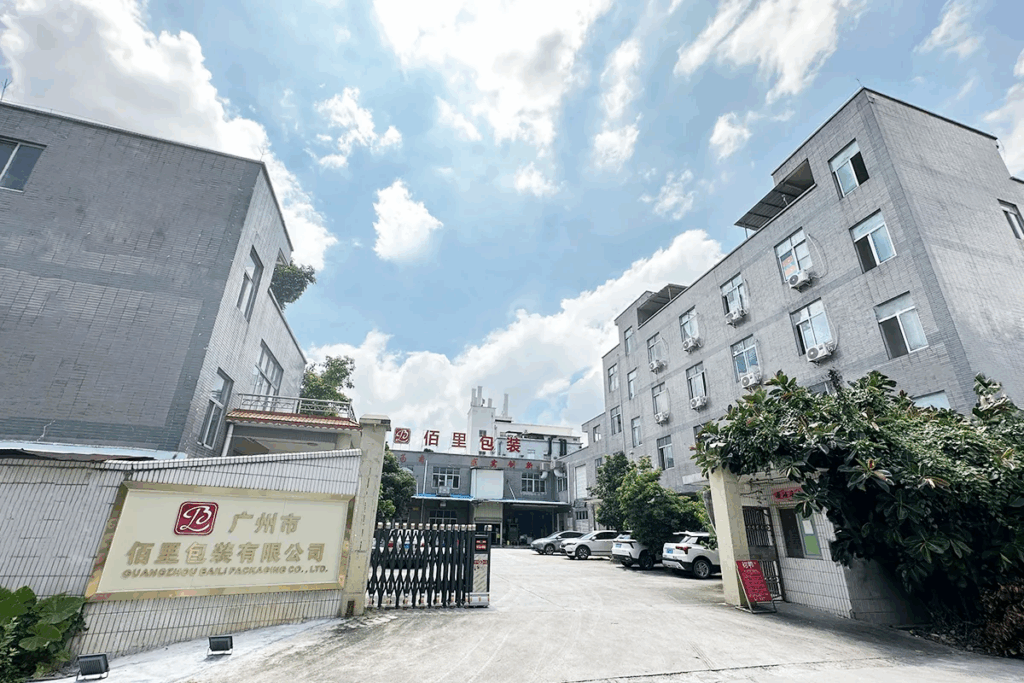
The company’s portfolio covers OEM, ОДМ, и private label services, supporting every stage from concept design to international shipping. Baili integrates ISO9001 and FSC-certified materials into production, backed by environmentally responsible practices such as water-based inks and plastic-free packaging. This commitment appeals to brands seeking sustainable sourcing without compromising quality.
To enhance brand presence, Baili offers premium finishing such as embossing, тиснение фольгой, и пятно УФ. These effects elevate design impact while retaining durability and consistency. Coupled with rapid prototyping and reliable sampling, Baili’s capabilities meet the fast-paced demands of e-commerce businesses and product launches where timeliness and presentation matter most.
Key Information:
- 📍 Расположение: Китай
- 🏭 Основная продукция: Жесткие коробки, Складные коробки, Крафт коробки, Почтовые конверты из гофрированного картона, Paper bags
- 🛒 Основные рынки: Стартапы, Частные бренды, Электронная коммерция
Плюсы & Минусы:
| What We Love | Things to Consider |
|---|---|
|
|
FAQs About Paper Box Printing
Is UV printing eco-friendly?
UV printing cures inks instantly using ultraviolet light, reducing emissions compared to solvent-based processes. По нашему опыту, when paired with low-VOC and biodegradable inks, it can align with eco-conscious packaging goals.
Однако, the recyclability of UV-printed surfaces depends on the substrate and coatings used. Choosing FSC-certified paper stock and water-based coatings can improve sustainability outcomes.
Which printing gives the sharpest color?
For high-definition graphics, offset lithography combined with CMYK plus Pantone spot colors delivers exceptional sharpness and accurate brand hues. Digital printing is also effective for short runs, achieving fine detail at 300–1200 dpi.
We recommend consistent color calibration across production batches to ensure flawless repeatability, especially for luxury and retail brands.
What’s the best choice for short runs?
Digital printing offers fast turnaround and cost efficiency for quantities under 500 единицы. It avoids plate-making costs and supports variable data printing for personalized packaging.
This approach is ideal for e-commerce launches, seasonal promotions, and test marketing where speed and flexibility are crucial.
Can I combine foil and embossing?
Yes ✅ — hot foil stamping and embossing can be applied in sequence to add both metallic shine and tactile depth. This combination works well for premium accents such as logos or product names.
We advise using rigid paperboard for optimal impression depth and foil adhesion, ensuring durability during transport and handling.
How do coatings affect recyclability?
Coatings such as matte or gloss lamination can hinder fiber recovery in recycling if they contain plastic films. Water-based varnishes or biodegradable coatings maintain print vibrancy while preserving recyclability.
For sustainable projects, we suggest avoiding PE laminates and opting for compostable barrier layers to meet environmental compliance standards.
Заключительные мысли
Бумажная коробка printing success relies on selecting the right technique for your production scale, design needs, and brand positioning. Offset printing delivers unmatched consistency for bulk orders, digital printing enables agile short runs and customization, and flexography offers cost-effective speed for shipping cartons. Strategic use of finishes such as UV, фольга, and embossing ensures every piece communicates quality and strengthens brand identity.
Working with an experienced packaging partner can streamline this selection process, helping you maintain consistency, reduce waste, and accelerate time-to-market—critical advantages in a competitive packaging landscape.
Bailipack , ведущий производитель упаковки из бумажных коробок на заказ в Китае, обеспечивает высокое качество, инновационный, и экологически чистые упаковочные решения для мировых брендов в таких отраслях, как косметика., Электроника, еда, и уход за собой. Come and find us!