No single material or design style will define packaging in 2027. What changes things is that several pressures arrive together: stricter regulations, recyclability that has to be designed in from the start, pressure to cut unnecessary material, and printing technology that makes small runs affordable.
That means a package can’t be judged only by how it looks on the shelf anymore. Brands have to think about what happens to it afterward, too.
Here are the packaging industry trends brands should prepare for in 2027, based on regulations already in motion and what the industry has been reporting through 2026.
Recyclability Moves Into the Design Brief
Many brands still check recyclability at the end, after the artwork and finishes are approved. That order is starting to cause problems.
ال تنظيم نفايات التغليف والتعبئة في الاتحاد الأوروبي (PPWR) has applied since أغسطس 12, 2026, and more requirements phase in over the following years. The European Commission says packaging placed on the EU market must be recyclable, with detailed design-for-recycling rules coming toward 2030.
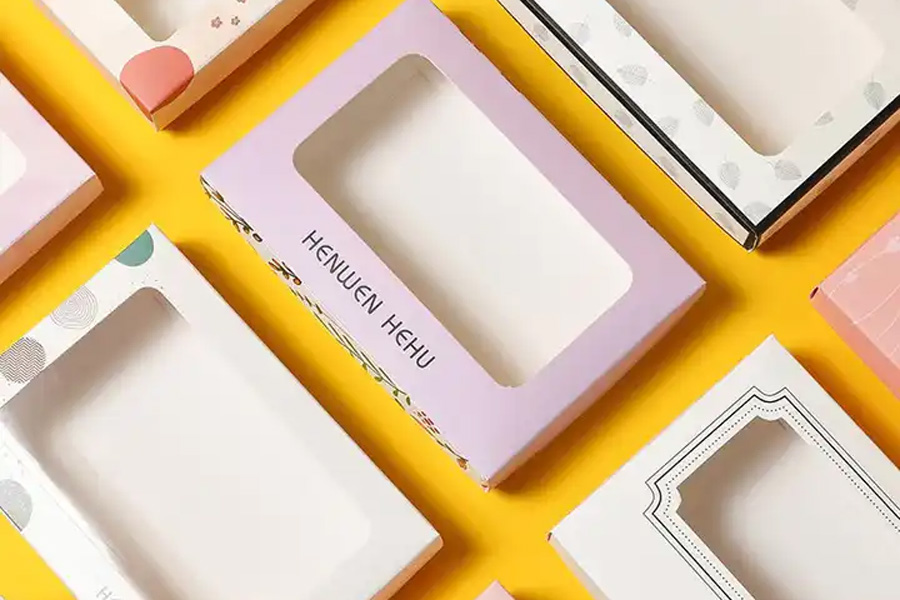
If you’re developing packaging in 2027, it’s worth looking hard at anything that mixes materials: الطلاءات, plastic windows, التسميات, مواد لاصقة, احباط, decorative add-ons. A box can look great and still be hard to recycle because too many incompatible parts are stuck together.
The simplest fix is to put recyclability in the packaging brief on day one, before materials and finishing are locked.
Using Less Material Becomes a Real Design Goal
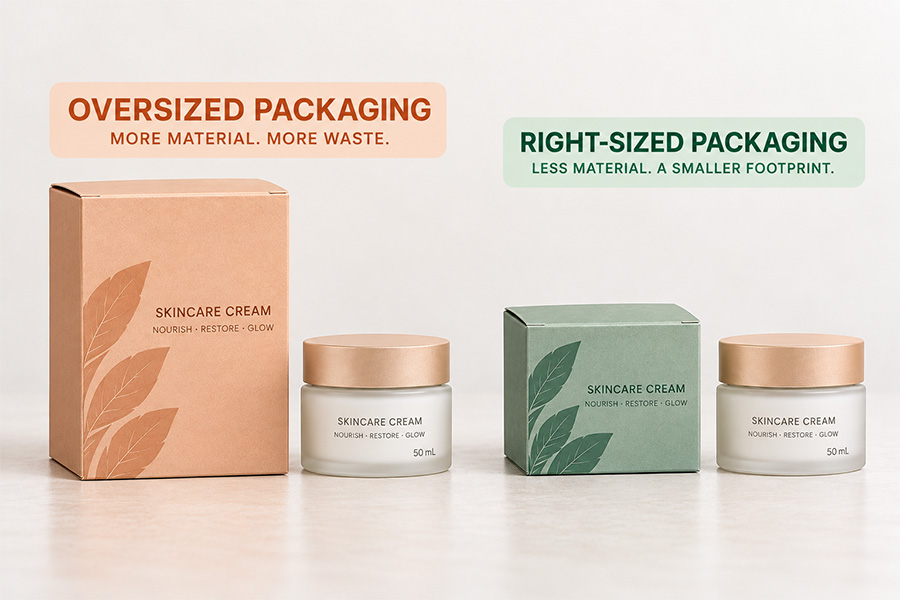
Lightweighting has been a talking point for years. Now it’s tied to regulation, shipping costs, and the PPWR’s rules on packaging weight and volume, which include future limits on excessive empty space in some grouped, ينقل, and e-commerce packaging.
That doesn’t mean making every box thinner. In practice it looks like this:
- Sizing the package to the product
- Cutting layers that don’t do anything
- Shrinking oversized shipping boxes
- Fixing the structure instead of adding board
- Using less void fill
- Simplifying secondary packaging
A good test for any component: what is it there for? If nobody can answer, it’s a candidate for removal.
Recycled Content Becomes a Sourcing Problem
Putting “made with recycled material” on a box used to be mostly a marketing decision. Now it’s a purchasing one.
Smithers reported in 2026 that the post-consumer recycled (تفاعل البوليميراز المتسلسل) packaging market is being reshaped by tighter legislation, shifting recyclate economics, and very different supply conditions from region to region. It also singled out rPET as a key area for future PCR growth.
So recycled material won’t always behave like virgin material, and it won’t always be equally easy to get in every market. A recycled-content spec may need to cover:
- The required percentage of recycled material
- Appearance and color variation
- How well it prints
- Whether supply is stable
- Compliance in each target market
Raise recycled-content requirements with your supplier when you choose materials. Adding a target after the structure is approved usually means going back and redoing work.
Digital Printing Makes Short Runs Practical
Production is getting more flexible too.
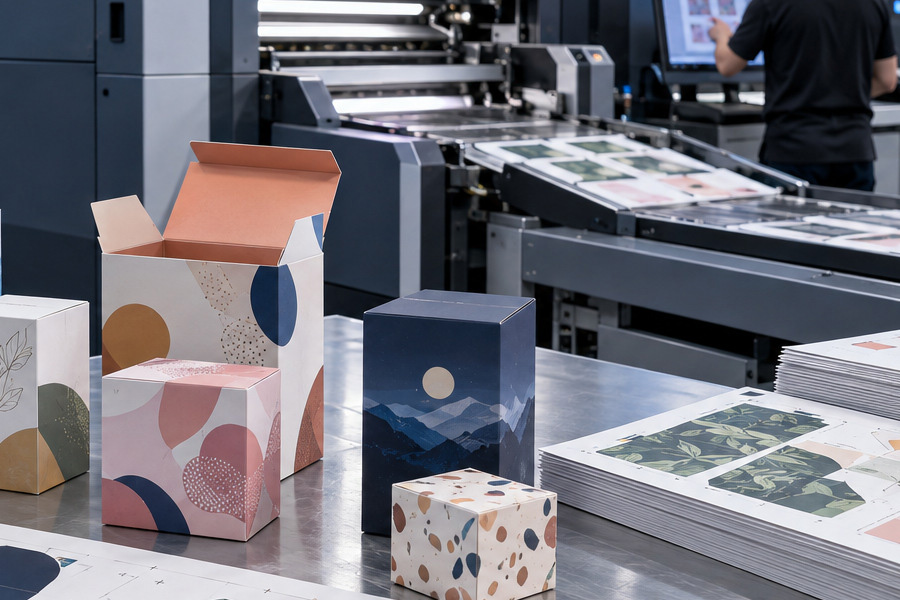
Smithers reports steady growth in digital printing for packaging, driven by better inkjet technology, workflow automation, order processing, ما قبل الطباعة, والتشطيب. Its forecast has the global digital packaging and label printing market continuing to grow through 2030.
What matters for brands is what that allows: smaller runs, regional versions, التصاميم الموسمية, test launches, and many SKUs without the cost of a full conventional run for each one. That applies where digital production suits the job.
Offset and other conventional methods still make sense for large volumes. The difference is that brands now have a real choice, and the right one depends on quantity and artwork.
الاستدامة
“Eco-friendly packaging” doesn’t tell a buyer much anymore. Brands are being asked what, exactly, makes the package better: less material, المحتوى المعاد تدويره, responsibly sourced fiber, قابلية إعادة التدوير, إعادة الاستخدام, or more efficient shipping.
Smithers lists recyclability, Extended Producer Responsibility, circular value chains, and broader sustainability strategies as the main forces shaping packaging right now. Expect the conversation in 2027 to look at the whole packaging system instead of hunting for one “green” material.
Paper is a good example. A paper package isn’t automatically the better option. Coatings, ويندوز, material weight, مصادر, and what happens at end of life all change the answer.
What Should Brands Do Before 2027?
There’s no need to redesign everything at once. Start with an audit, and look first at packages that:
- Combine several materials
- Have a lot of empty space
- Depend on hard-to-source substrates
- Use a lot of plastic
- Rely on complicated decorative finishes
التالي, look at your upcoming launches. A package developed in late 2026 أو 2027 may stay on the market for years, so it’s cheaper to plan for future recyclability and material rules now than to redesign soon after launch.
And talk to your packaging supplier sooner. مادة, بناء, الطباعة, كمية الطلب, recycling, and shipping all affect each other, so they’re best decided together.
التعليمات
What will be the biggest packaging trend in 2027?
Probably none on its own. Regulation, قابلية إعادة التدوير, تخفيض المواد, المحتوى المعاد تدويره, digital production, and supply-chain flexibility are all moving at once, and each will hit different brands differently.
Will sustainable packaging keep growing in 2027?
نعم, but with more detail required. Brands will need to talk about recyclability, تخفيض المواد, المحتوى المعاد تدويره, مصادر, and end-of-life performance, and general claims won’t carry as much weight.
Will paper packaging replace plastic?
Not entirely. Products need different levels of barrier protection, الرؤية, and strength. What’s changing is that brands are choosing materials more deliberately and designing each format to use less material and end up in a better place.
خاتمة
Visual design won’t be the only thing that shapes packaging in 2027. قابلية إعادة التدوير, material use, المحتوى المعاد تدويره, production flexibility, supply security, and detailed regulations will all play a part.
These decisions affect each other. Material choice changes recyclability, structure changes both material use and shipping cost, printing method changes the order quantities that make sense, and regulation now feeds back into design. Changing one material or finish at a time won’t cover it, so it’s better to review the package as a whole.
في بيليباك, we develop custom paper packaging around your product dimensions, paper materials, هيكل الصندوق, الطباعة, التشطيب, and production needs, so you can compare practical options before committing to mass production.