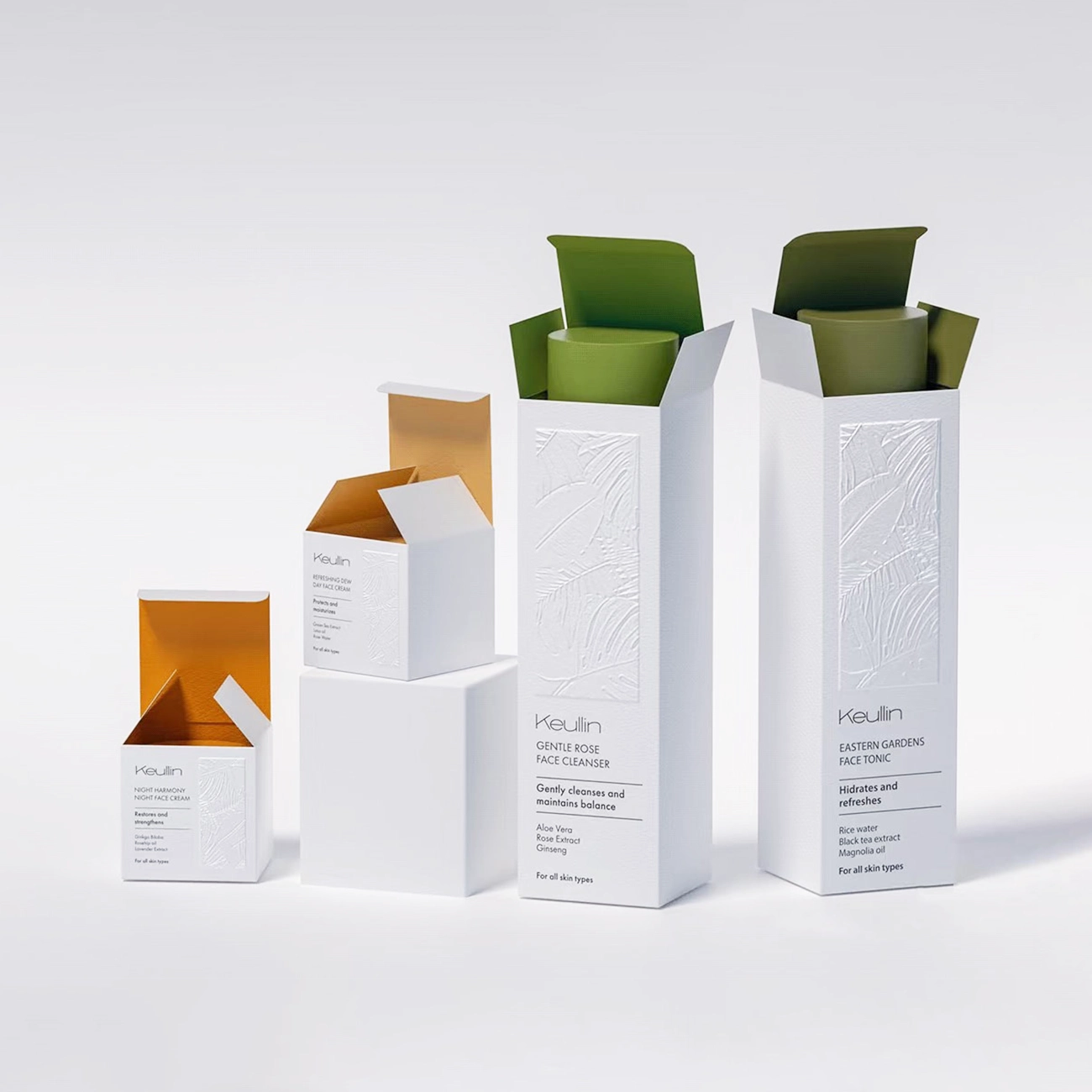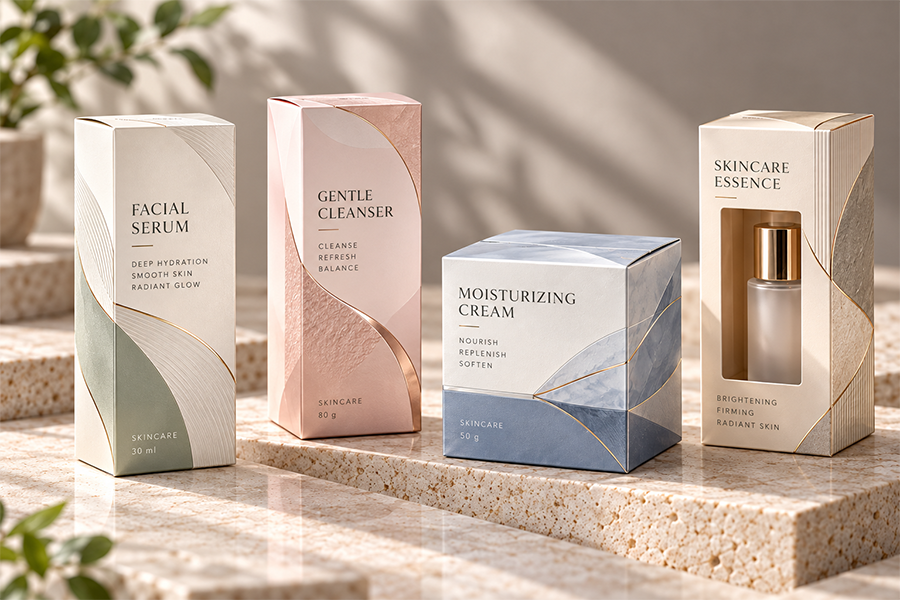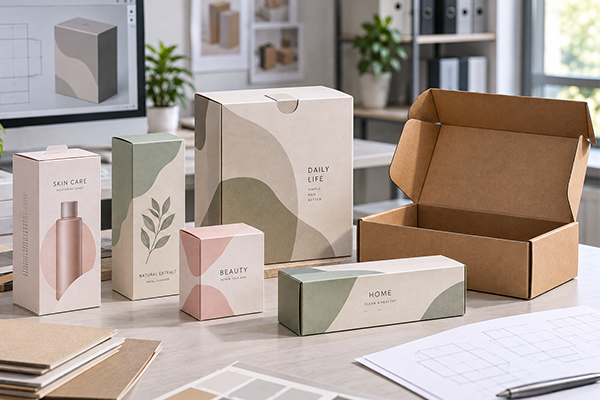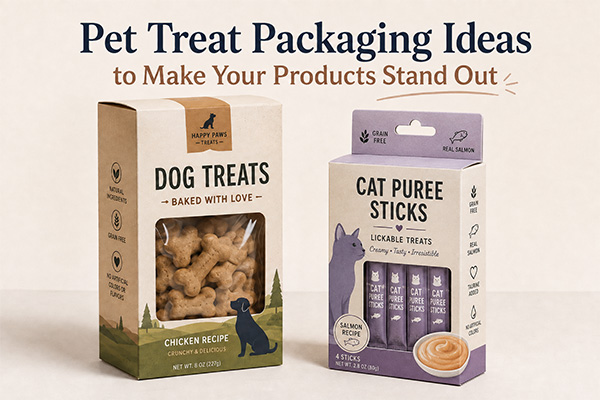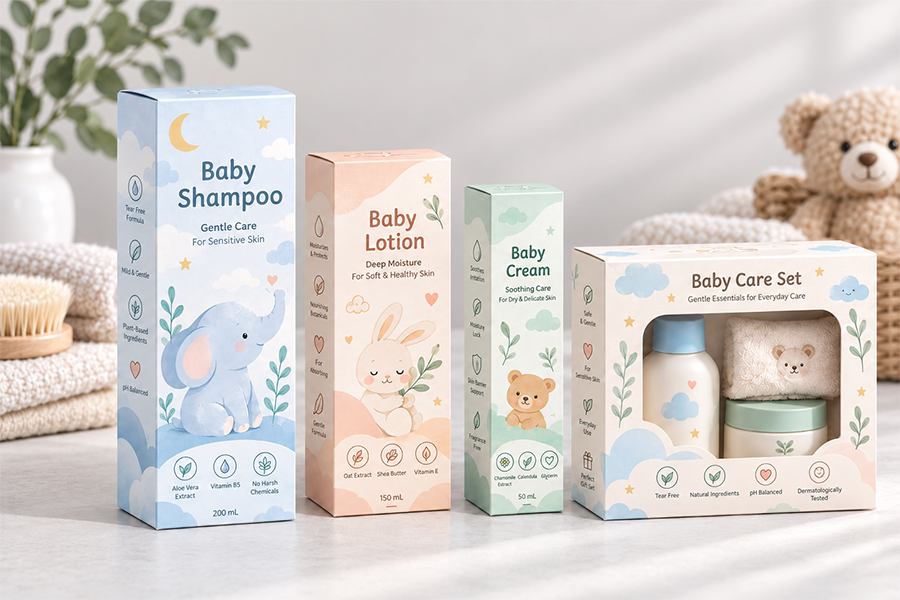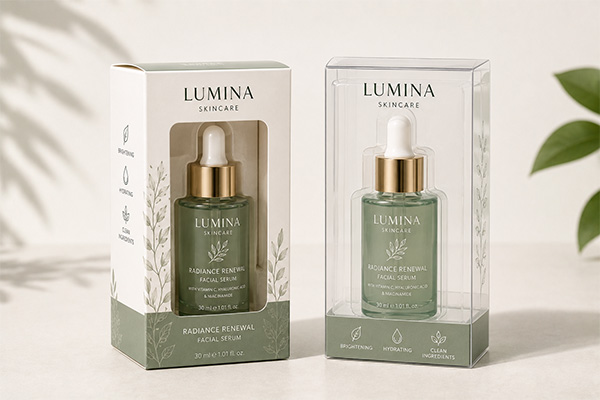
Les boîtes en papier sont utilisées dans les cosmétiques, soins de la peau, nourriture, jouets, cadeaux, électronique, vêtements, et bien d'autres catégories de vente au détail. Ils protègent le produit, prévoir un espace pour les informations sur le produit, et donnent aux marques une flexibilité considérable dans l'impression, structure, et finition.
Mais utiliser un carton rectangulaire standard avec une impression de base n'est pas la seule option..
Un emballage créatif en boîte de papier peut améliorer la présentation du produit sans compliquer inutilement la boîte.. Une fenêtre bien positionnée, une pochette imprimée, une structure d'ouverture inhabituelle, ou même un simple contraste entre le laminage mat et l'estampage à l'aluminium peut donner à un carton pliant familier un aspect très différent.
Les idées d’emballage les plus efficaces ne sont pas nécessairement les plus chères. Ce sont les idées qui correspondent au produit, style de marque, environnement de vente au détail, et expérience client.
Dans ce guide, nous allons explorer 7 idées créatives d'emballage de boîtes en papier et expliquer comment chaque approche peut être utilisée pour les cosmétiques, nourriture, jouets, cadeaux, produits de soins personnels, et autres emballages de vente au détail.
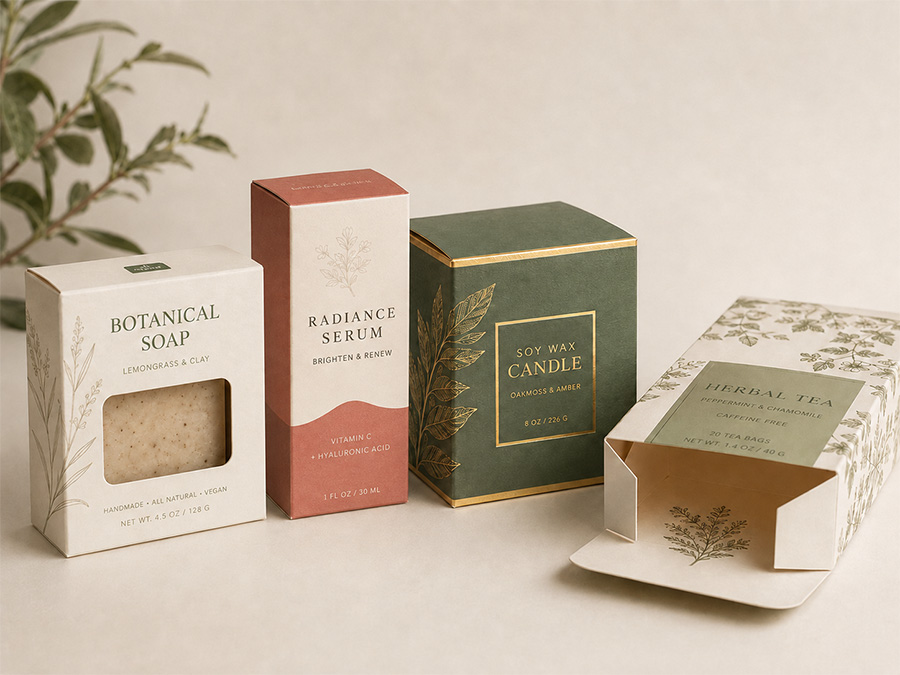
7 Aperçu des idées d'emballage en boîtes de papier
| Idée d'emballage | Principale caractéristique de conception | Meilleures applications | Principal avantage |
|---|---|---|---|
| Boîtes en papier à fenêtre | Fenêtre découpée avec film transparent | Jouets, produits de beauté, nourriture | Visibilité du produit |
| Pochettes en papier | Pochette extérieure imprimée | Savon, produits de beauté, vêtements | Image de marque flexible |
| Déjouer & Spot UV | Finition de surface sélective | Beauté, parfum, cadeaux | Contraste visuel |
| Ouvertures créatives | Structures pliantes alternatives | Cadeaux, soins de la peau, vente au détail | Expérience de déballage |
| Insertions personnalisées | Encart de positionnement du produit | Produits de beauté, ensembles, électronique | Présentation et protection |
| Impression intérieure | Panneaux internes imprimés | Commerce électronique, cadeaux, beauté | Ajoute une surprise après ouverture |
| Contraste des matériaux | Carton, blanc, panneau métallique ou texturé | Produits de beauté, nourriture, cadeaux | Une identité visuelle renforcée |
La meilleure idée dépend de ce que l’emballage doit réaliser. Certaines conceptions se concentrent sur l'affichage des produits, tandis que d'autres améliorent la protection, image de marque, ou l'expérience d'ouverture.
1. Utiliser une fenêtre pour afficher le produit
L'un des moyens les plus simples de rendre une boîte en papier plus intéressante visuellement est de permettre aux clients de voir une partie du produit avant de l'ouvrir..
Une fenêtre est créée en découpant une ouverture dans le carton. Un film PET transparent peut ensuite être fixé derrière l'ouverture lorsqu'une fenêtre couverte est requise.
Pourquoi Emballage de fenêtre Travaux
Une fenêtre réduit la distance entre l'emballage et le produit lui-même.
Au lieu de vous fier entièrement à des photographies ou à des illustrations, les clients peuvent voir la couleur du produit, forme, texture, ou arrangement directement.
Ceci est particulièrement utile pour les produits dont l'apparence influence les décisions d'achat..
Les jardinières sont couramment utilisées pour:
- Jouets et objets de collection
- Produits cosmétiques
- Pinceaux de maquillage
- Savon
- Produits alimentaires
- Petits accessoires
- Articles cadeaux
Pour l'emballage des jouets, une fenêtre avant plus grande peut aider à afficher la figurine réelle ou le produit à l'intérieur.
Pour les cosmétiques, une fenêtre plus petite peut révéler une caractéristique importante, comme la couleur d'un rouge à lèvres ou la forme d'un contenant cosmétique.
Intégrez la fenêtre à la conception
La fenêtre ne doit pas nécessairement être un rectangle standard.
Il peut suivre une partie de la forme du produit, graphique de la marque, ou thème d'emballage.
Cependant, la conception doit toujours rester structurellement pratique.
Une très grande fenêtre retire le carton du carton et peut réduire la rigidité. Les zones restantes autour de l'ouverture doivent fournir suffisamment de support pour le remplissage, transport, et affichage au détail.
La conception créative des fenêtres nécessite donc un équilibre entre visibilité et solidité de la boîte.
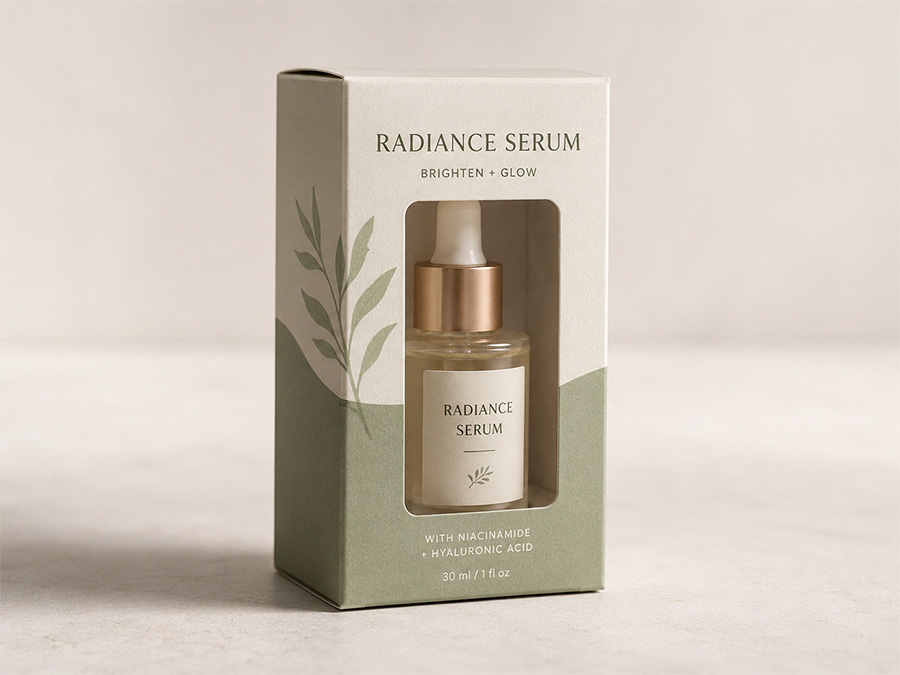
2. Ajouter une pochette en papier imprimé
Pochettes en papier sont un moyen pratique d'ajouter une couche de marque supplémentaire sans modifier complètement la structure principale de l'emballage..
Une pochette peut glisser autour d'une boîte en papier, plateau, contenant du produit, ou autre package principal.
L'idée est simple, mais il existe de nombreuses façons de l'utiliser de manière créative.
Utilisez des manches pour créer des calques visuels
Au lieu d'imprimer toutes les informations sur une seule surface de boîte, les marques peuvent séparer le design en deux couches.
Par exemple, la boîte intérieure peut utiliser une simple couleur unie tandis que la pochette extérieure porte le logo, nom du produit, ou motif décoratif.
Lorsque la manche est retirée, une autre partie du design devient visible.
Cela crée une expérience d'ouverture plus intéressante sans nécessiter une structure trop complexe..
Utile pour les variations de produits
Les manchons peuvent également rendre les systèmes d'emballage plus flexibles.
Une marque peut utiliser la même boîte de base pour plusieurs produits et changer uniquement la pochette imprimée pour différents produits.:
- Saveurs
- Tailles du produit
- Collections
- Éditions saisonnières
- Couleurs
- Variétés de produits
Cette approche peut être utile pour le savon, produits de beauté, bougies, vêtements, produits alimentaires, papeterie, et petits cadeaux.
Gardez l'ajustement pratique
La manche ne doit pas être trop serrée pour que les clients aient du mal à la retirer, mais il ne doit pas être suffisamment lâche pour glisser lors de la manipulation.
Épaisseur du papier, taille de la boîte, laminage, et les tolérances de pliage peuvent toutes influencer l'ajustement final.
3. Combinez des surfaces mates avec du film ou du Spot UV
Un emballage créatif ne nécessite pas toujours une structure de boîte inhabituelle.
Parfois, l’effet le plus important vient de l’utilisation sélective des finitions de surface..
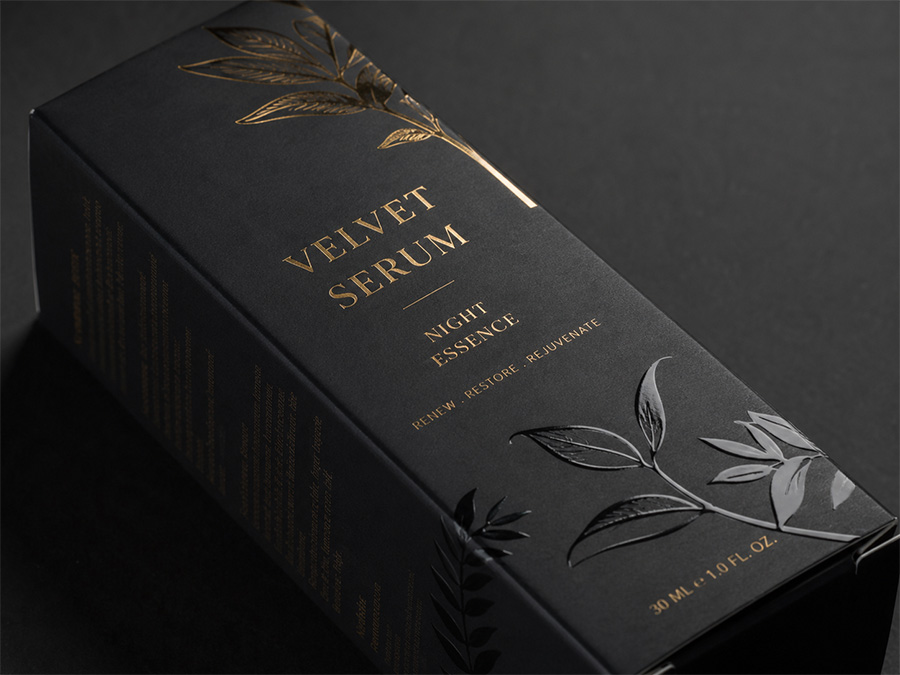
Un exemple courant est la combinaison stratification mate avec estampage à chaud ou spot brillant UV.
Créez du contraste au lieu de tout couvrir
Une boîte entièrement réfléchissante peut attirer l'attention, mais trop d'éléments brillants peuvent entrer en concurrence les uns avec les autres.
Un design plus contrôlé utilise une surface de base plus silencieuse et met en valeur uniquement les détails les plus importants.
Par exemple:
Un noir mat carton cosmétique peut utiliser une feuille d'argent uniquement pour le logo.
Une boîte de soins de la peau aux couleurs douces peut utiliser des UV ponctuels sur le nom du produit.
Un carton de parfum peut combiner un laminage mat avec une feuille d'or en relief.
Le contraste rend la zone en surbrillance plus visible car la boîte entière n'est pas réfléchissante.
Options de finition populaires
Plusieurs finitions peuvent être combinées avec des boîtes en papier imprimé:
- Estampage à la feuille: Ajoute des détails métalliques ou holographiques.
- Spot UV: Crée des zones brillantes sélectionnées sur une surface mate.
- Relâchement: Soulève des logos ou des éléments de conception.
- Débosage: Presse les graphiques sélectionnés dans la surface.
- Stratification mate: Produit une apparence peu éblouissante.
- Stratification brillante: Ajoute de la brillance et peut augmenter l'intensité de la couleur.
Le point important est de ne pas utiliser toutes les techniques de finition sur une même boîte.
Une bonne conception d'emballage utilise normalement la finition pour créer une emphase et une hiérarchie visuelle..
4. Expérimentez avec la structure d'ouverture
De nombreuses boîtes en papier se ressemblent lorsqu'elles sont fermées. La différence devient plus visible lorsque le client commence à les ouvrir.
Une structure d'ouverture créative peut donner l'impression que l'emballage est plus considéré sans le transformer en une pièce d'exposition peu pratique..
Cartons pliants Peut offrir plus d'un style d'ouverture
Les cartons standard à extrémité repliée restent populaires car ils sont efficaces à fabriquer, bateau, magasin, et remplir.
Cependant, les marques peuvent également explorer des structures telles que:
Boîtes inférieures à verrouillage automatique
Ces cartons utilisent une structure inférieure qui se verrouille en position plus rapidement pendant l'emballage..
Ils sont utiles pour les produits qui nécessitent un fond plus solide qu'un simple carton à extrémité repliée..
Boîtes inférieures à verrouillage rapide
La base est formée en pliant plusieurs panneaux ensemble.
Cette structure est couramment envisagée pour les produits qui nécessitent plus de support tout en utilisant un format de carton pliant..
Boîtes en papier en deux pièces
Un couvercle et une base séparés créent une expérience d'ouverture différente de celle d'un emballage standard à extrémité repliable..
Ils sont souvent utilisés pour les produits cadeaux et la présentation au détail haut de gamme..
Structures de style livre
La boîte s'ouvre d'un côté comme un livre, permettre une présentation plus progressive des produits.
Ce type de structure peut convenir à des coffrets premium et des produits cadeaux, bien qu'il utilise généralement plus de matériaux et un processus de fabrication plus complexe qu'un carton pliant de base.
Les structures créatives doivent toujours être sélectionnées en fonction du poids du produit, processus d'emballage, conditions d'expédition, et budget.
Le but n’est pas de compliquer la structure. Il s'agit de rendre l'ouverture de la boîte appropriée au produit..
5. Utilisez des inserts personnalisés pour améliorer la présentation du produit
L’intérieur de la boîte compte tout autant que l’extérieur lorsque les produits doivent rester correctement positionnés.
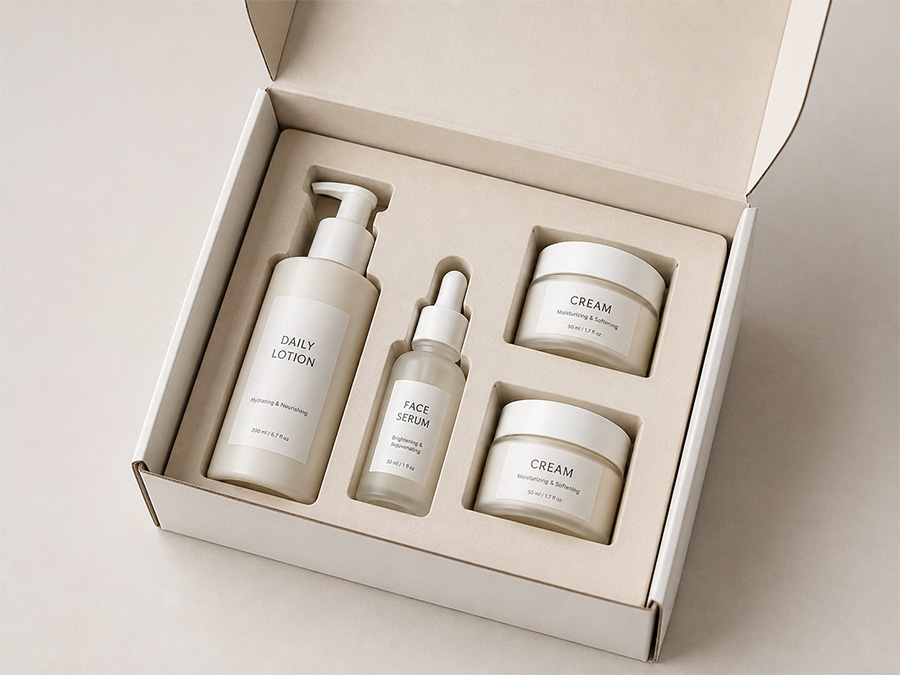
Les inserts personnalisés peuvent contenir des produits individuels, composants séparés, et améliorer la présentation à l'ouverture du colis.
Ceci est particulièrement utile pour:
- Coffrets de soins
- Produits cosmétiques
- Parfum
- Petit électronique
- Accessoires
- Coffrets cadeaux
- Emballage multi-produits
Inserts en carton
Les inserts en carton peuvent être découpés et pliés pour créer des compartiments ou des ouvertures pour les produits.
Ils peuvent également être imprimés, ce qui permet à l'intérieur de la boîte de continuer le marquage extérieur.
Ils sont couramment utilisés lorsqu'un poids léger, un insert personnalisable est requis.
Inserts ondulés
Le matériau ondulé offre une épaisseur et un rembourrage supérieurs à ceux du carton standard..
Cela peut être utile pour les produits qui nécessitent un support structurel plus important pendant le transport..
Inserts en pâte moulée
La pâte moulée est une autre option pour les marques recherchant un insert formé à partir d'un matériau à base de fibres..
Son aspect de surface est très différent d'un insert en carton imprimé, ce qui le rend plus adapté à certains concepts d'emballage naturels ou axés sur la durabilité.
Concevoir l'insert autour du produit réel
Une erreur courante est de traiter l'insert comme un élément décoratif.
Les dimensions du produit, poids, forme, et la méthode de suppression doit être considérée en premier.
L'ouverture de l'insert doit maintenir le produit en toute sécurité sans rendre difficile son retrait pour les clients..
6. Imprimer l'intérieur de la boîte
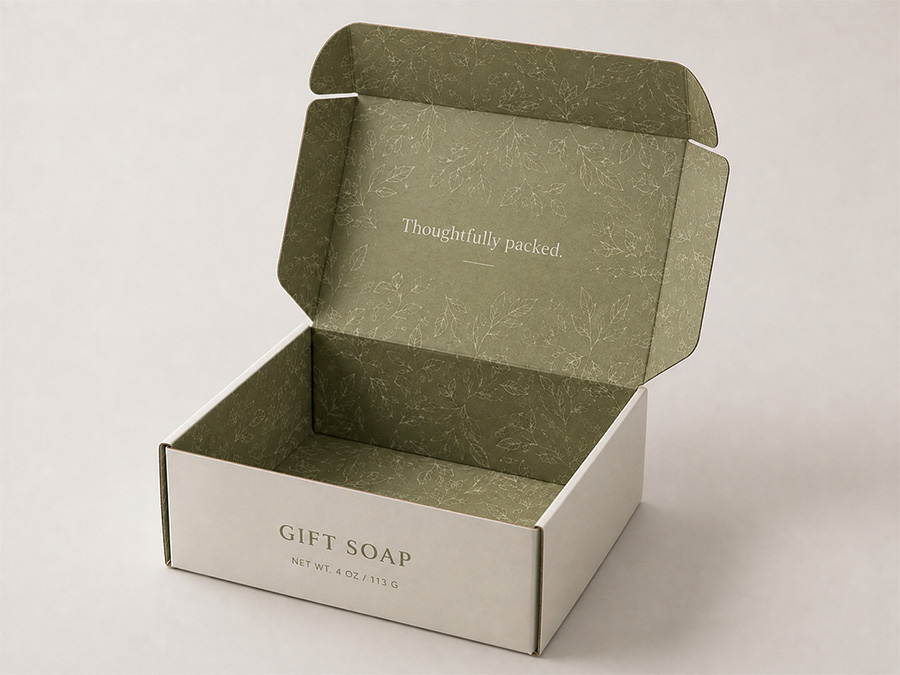
L'extérieur de l'emballage doit communiquer sur un rayon de vente au détail, mais l'intérieur donne aux marques une autre opportunité de créer une expérience mémorable.
L'impression intérieure fonctionne particulièrement bien lorsque le client ne s'y attend pas.
L'extérieur peut rester relativement simple tandis que les panneaux intérieurs utilisent:
- Motifs
- Couleurs contrastées
- Instructions du produit
- Messages courts de la marque
- Illustrations
- Informations sur le produit
Pourquoi l'impression intérieure peut être efficace
Le design se dévoile progressivement.
Avant l'ouverture, l'emballage peut paraître simple. Lorsque le client ouvre le carton, une autre partie de l’identité visuelle devient visible.
Cela peut être particulièrement efficace pour les emballages de commerce électronique, car l'expérience de déballage a plus d'importance lorsqu'il n'y a pas de rayon de vente au détail traditionnel..
Coffrets cosmétiques, cadeaux, produits d'abonnement, accessoires vestimentaires, et les produits de style de vie peuvent tous utiliser efficacement l'impression intérieure.
Évitez d'ajouter du contenu uniquement pour remplir l'espace
Un emballage créatif ne signifie pas que chaque panneau interne doit contenir du texte ou des graphiques.
Trop d'impression peut rendre la boîte occupée.
Le design intérieur doit soutenir l’extérieur plutôt que de devenir un design distinct sans lien visuel.
7. Utiliser du papier dans le cadre de la conception
L'impression et la finition reçoivent beaucoup d'attention, mais le papier lui-même peut être l'un des éléments de conception les plus puissants.
L'utilisation d'un matériau de carton différent peut immédiatement modifier l'apparence d'une boîte avant qu'une finition supplémentaire ne soit appliquée..
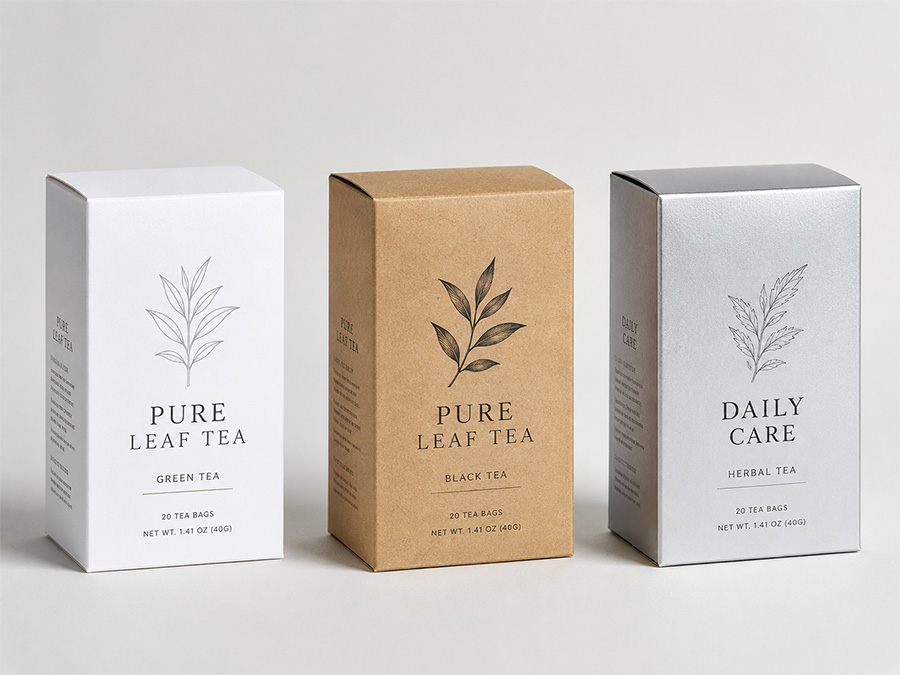
Carte blanche pour une impression couleur propre
La carte blanche fournit une base propre pour le CMJN, Couleurs Pantone, photographie, et des graphiques détaillés.
Il est largement utilisé pour les cosmétiques, soins de la peau, jouets, cartons alimentaires, et autres produits de vente au détail.
Pour les marques qui s'appuient fortement sur des graphiques imprimés précis, le carton blanc est souvent un point de départ pratique.
Du papier kraft pour un aspect naturel
Le papier kraft a une base brune et un caractère visuel plus naturel.
Cela fonctionne particulièrement bien pour le thé, café, savon, produits faits à la main, et des marques utilisant des graphiques simples.
Cependant, le matériau marron affecte la reproduction des couleurs.
Les couleurs vives imprimées semblent normalement moins vives que sur un tableau blanc..
Cette limitation peut également faire partie de la conception prévue.
Carte Or et Argent pour Effets Métalliques
La carte métallique crée une base réfléchissante sur la surface de l'emballage.
Les marques peuvent utiliser l'effet métallique de manière sélective en imprimant de l'encre blanche sous certaines zones tout en laissant d'autres sections réfléchissantes..
Cette technique peut créer des résultats plus intéressants que le simple fait de recouvrir toute la boîte d'une feuille métallique..
Les cartes d'or et d'argent sont généralement considérées comme:
- Produits de beauté
- Produits de beauté
- Cadeaux
- Parfum
- Emballage de vacances
- Produits de détail haut de gamme
Papiers texturés et spéciaux
Les papiers spéciaux peuvent offrir un intérêt tactile sans nécessiter de grandes quantités de finition supplémentaire..
Cependant, la texture peut affecter les performances d'impression et de laminage.
Les échantillons physiques sont utiles lorsque la surface du papier elle-même constitue une partie importante de la conception..
Comment choisir la bonne idée d’emballage en boîte de papier
Un concept d'emballage créatif doit néanmoins résoudre les problèmes pratiques d'emballage..
Avant de choisir une de ces idées, considérer plusieurs facteurs.
Commencez par le produit
Le produit détermine de nombreuses décisions structurelles.
Un pain de savon léger ne nécessite pas la même structure de boîte qu'une bouteille lourde ou un ensemble multi-produits.
Vérifier:
- Dimensions du produit
- Poids du produit
- Fragilité
- Sensibilité superficielle
- Nombre d'articles à l'intérieur
La structure doit toujours travailler avec le produit en premier.
Considérez où le produit sera vendu
Les emballages de vente au détail doivent communiquer rapidement sur les étagères.
Les emballages du commerce électronique pourraient se concentrer davantage sur la protection et l’expérience d’ouverture.
Les produits vendus au détail physique peuvent bénéficier des fenêtres, fort contraste de couleurs, ou impression distinctive.
Les produits principalement vendus en ligne peuvent bénéficier davantage d’une impression intérieure ou d’une structure de déballage intéressante.
Faites correspondre le design à la marque
Toutes les marques n’ont pas besoin de feuille d’or, une grande fenêtre, ou construction de boîte complexe.
Un simple carton kraft peut être plus adapté à une marque de savon naturel qu'une boîte métallique hautement réfléchissante..
De même, un emballage de jouet brillant peut bénéficier davantage d'une impression brillante et d'une fenêtre que d'une finition mate discrète.
Considérez le coût de production dès le début
Les idées créatives affectent la production différemment.
Changer une illustration a généralement moins d'impact structurel que changer la conception entière de la boîte..
Des processus de finition supplémentaires peuvent nécessiter une configuration supplémentaire.
Les inserts personnalisés nécessitent du matériel supplémentaire et une découpe.
Les structures complexes peuvent utiliser plus de carton et impliquer plus d'étapes de production.
La meilleure conception équilibre donc l’apparence avec la faisabilité de la production.
Foire aux questions
Comment puis-je donner à une simple boîte en papier un aspect plus haut de gamme?
Vous n’avez pas forcément besoin d’une structure complexe. Un design de boîte épuré utilisant un laminage mat, estampage à chaud, gaufrage, typographie de haute qualité, ou un matériau papier soigneusement choisi peut créer une apparence plus haut de gamme tout en gardant la structure relativement simple..
Les boîtes en papier à fenêtre sont-elles adaptées aux produits lourds?
Ils peuvent être, mais la taille de la fenêtre et la structure du carton doivent être évaluées avec soin. Une grande ouverture enlève une partie du carton et peut réduire la rigidité. Les produits lourds peuvent nécessiter un panneau plus épais, structures inférieures plus solides, ou un support interne supplémentaire.
Les inserts de boîtes en papier peuvent-ils être personnalisés pour différents produits?
Oui. Les inserts en carton et en carton ondulé peuvent être découpés en fonction des dimensions et de la disposition du produit.. La conception de l'insert doit tenir compte du poids du produit, forme, suppression, et le transport plutôt que l'apparence seule.
Dois-je faire un échantillon avant la production en série?
Un échantillon physique est fortement recommandé pour les emballages avec des structures personnalisées, fenêtres, inserts, papier spécial, estampage à chaud, ou autre finition. Cela aide à confirmer l’adéquation du produit, impression, pliant, aspect de la surface, et performances globales de la boîte avant la production.
Conclusion
Un emballage créatif en boîte de papier ne signifie pas nécessairement un emballage compliqué.
Une fenêtre bien conçue peut améliorer la visibilité du produit. Une pochette en papier peut ajouter une autre couche de marque. Les surfaces mates combinées à une feuille ou à des UV ponctuels peuvent créer un fort contraste, tandis que les inserts personnalisés peuvent améliorer à la fois la protection et la présentation du produit..
Les marques peuvent également créer une expérience plus distinctive en ouvrant des structures, impression interne, ou le papier lui-même.
Le plus efficace idées d'emballage en boîte de papier sont ceux qui correspondent au produit et à la manière dont il sera vendu. Poids du produit, dimensions de la boîte, présentoir de vente au détail, expédition, impression, finition, et le budget doivent tous être pris en compte avant de sélectionner la conception finale.
Un concept créatif ne devient un emballage réussi que lorsque l'apparence et la structure fonctionnent ensemble.
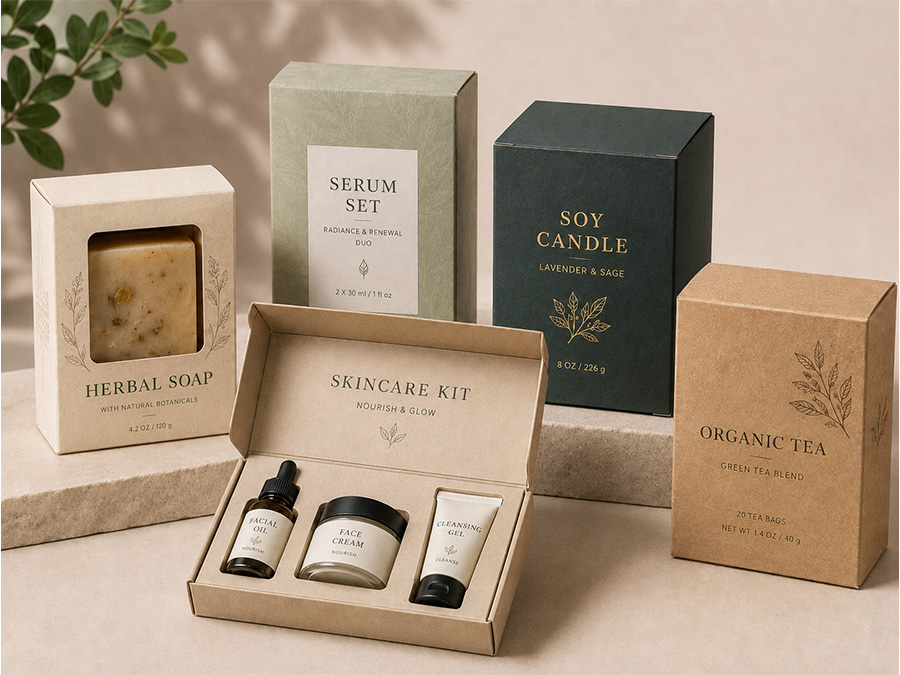
Emballage en boîte de papier personnalisé avec Bailipack
Bailipack produit des boîtes en papier personnalisées pour les cosmétiques, soins de la peau, parfum, nourriture, jouets, cadeaux, électronique, vêtements, et autres produits de vente au détail.
Les options d'emballage peuvent inclure différents matériaux en papier, structures de cartons pliants, fenêtres, manches, inserts, Impression CMJN et Pantone, stratification mate ou brillante, estampage à chaud, tache UV, gaufrage, et autres finitions de surface.
Lors du développement d’une nouvelle boîte en papier, préparer les dimensions du produit, taille de la boîte, quantité, oeuvre d'art, matériau préféré, structure, et exigences de finition. Ces détails permettent d'évaluer plus facilement si l'idée d'emballage peut atteindre l'apparence requise tout en restant pratique pour la production..
Élevez votre marque avec la personnalisation, Emballage durable
Associez-vous à Baili pour créer des boîtes en papier sur mesure alliant design haut de gamme et matériaux écologiques, améliorer l'attrait du produit tout en soutenant vos objectifs de développement durable. Bénéficiez d'un service unique et transparent, de la conception à la livraison, garantir une qualité constante et un délai d’exécution rapide.