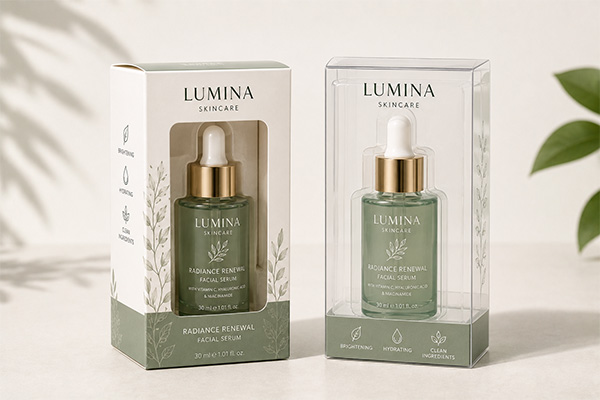
When customers shop in a physical store, packaging often has only a few seconds to communicate what the product is and why it deserves attention. For products where color, shape, texture, or design is important, visibility can become a major part of the packaging decision.
Two common solutions are window boxes and clear plastic boxes. Both allow customers to see the product without opening the package, but they provide very different levels of visibility, branding space, protection, and visual presentation.
A window box combines printed paperboard with a transparent opening, while a clear plastic box uses transparent plastic—commonly PET, PVC, or PP—for most or all of the package body.
So, when comparing a window box vs clear plastic box, which option is better for product display?
The answer depends on how much of the product you want customers to see, how important printed branding is, what level of structural protection is required, and where the package will be displayed.
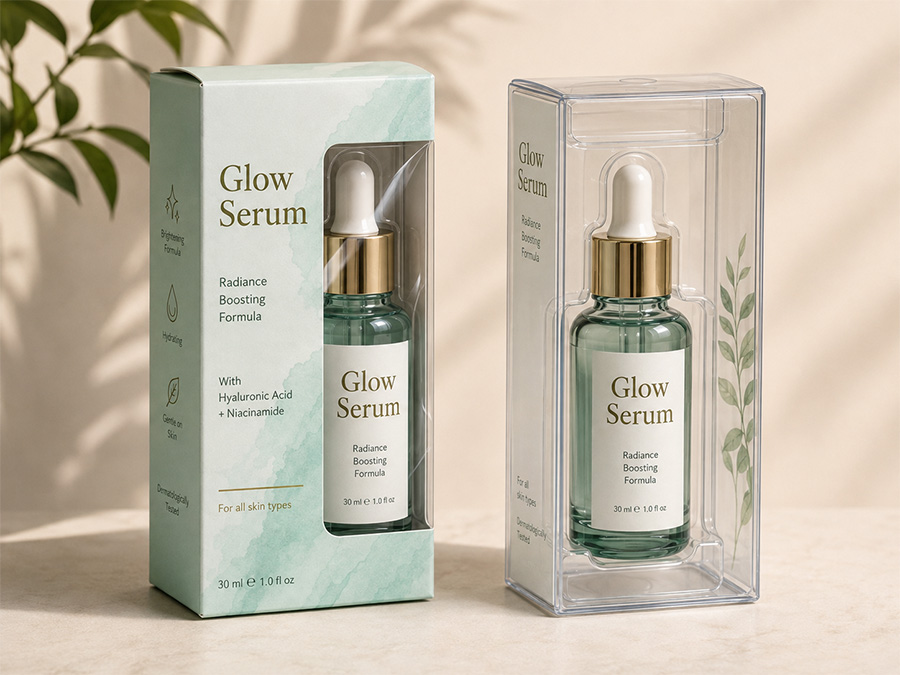
What Is a Window Box?
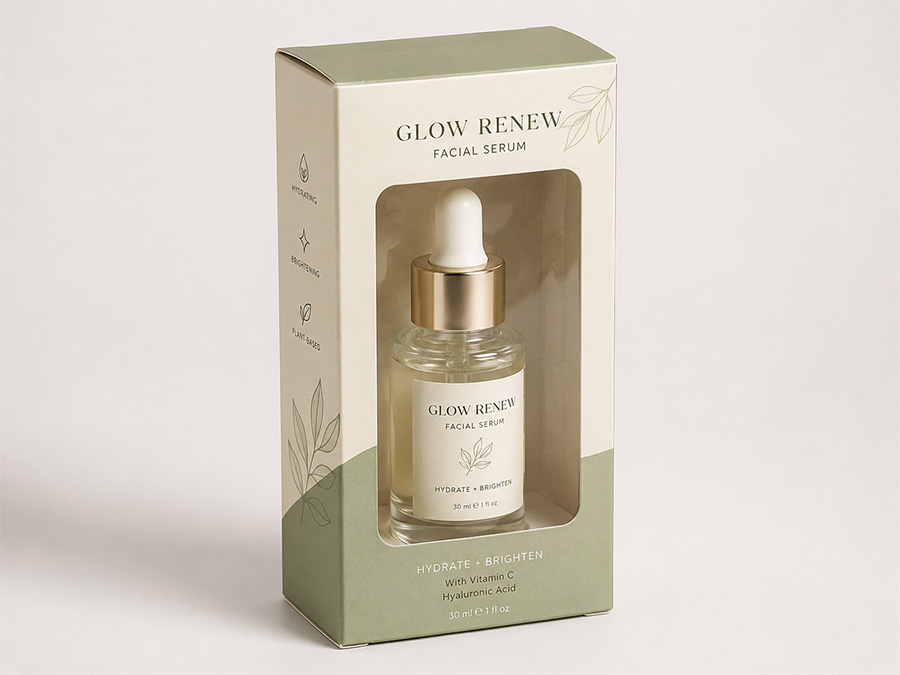
A window box is primarily made from paperboard, with one or more sections cut away to create a viewing area. A transparent PET or similar film can be attached behind the opening when the product needs to remain enclosed.
The paperboard portion provides space for branding, product information, instructions, ingredients, barcodes, and decorative printing, while the window allows customers to see a selected part of the actual product.
Window boxes are commonly used for cosmetics, toys, food products, soap, stationery, apparel accessories, gifts, small electronics, and other retail goods.
The window can be small and subtle or cover a large part of the front panel. It can also be created in custom shapes to match a logo, product outline, or graphic concept.
What Is a Clear Plastic Box?
A clear plastic box is made primarily from transparent plastic sheet that is die-cut, creased, folded, and assembled into a carton-style package.
PET is widely used where high transparency is important, while PP and PVC may also be selected depending on the required structure, appearance, printing, and application.
Unlike a paper window box, a clear plastic box can provide visibility from the front, sides, top, and sometimes nearly every angle.
This makes the product itself the main visual feature.
Clear plastic boxes are often used for:
- Cosmetics and beauty accessories
- Toys and collectibles
- Stationery
- Small gifts
- Electronics accessories
- Apparel accessories
- Personal care products
- Products with attractive shapes or colors
Printing can still be added to transparent packaging, but the design usually occupies less visual space so the product remains visible.
Window Box vs Clear Plastic Box: Quick Comparison
| Feature | Window Box | Clear Plastic Box |
|---|---|---|
| Product Visibility | Partial to large viewing area | Very high, often multiple sides |
| Branding Space | High | Moderate |
| Printing Options | Extensive | More selective |
| Product Presentation | Product + printed branding | Product-centered |
| Surface Appearance | Paper-based, many finishes | Transparent and clean |
| Structural Design | Wide range of paper carton structures | Mainly folded plastic structures |
| Shipping Efficiency | Generally good when supplied flat | Generally good when supplied flat |
| Best For | Branded retail products | Products where visibility is the priority |
The main distinction is simple: a window box controls what customers see, while a clear plastic box reveals much more of the product.
That difference influences almost every other packaging decision.
Which Box Provides Better Product Visibility?
If maximum product visibility is the primary goal, a clear plastic box generally has the advantage.
Because most of the package is transparent, customers can examine the product from several directions without removing it from the packaging.
This is useful when the product itself has strong visual appeal.
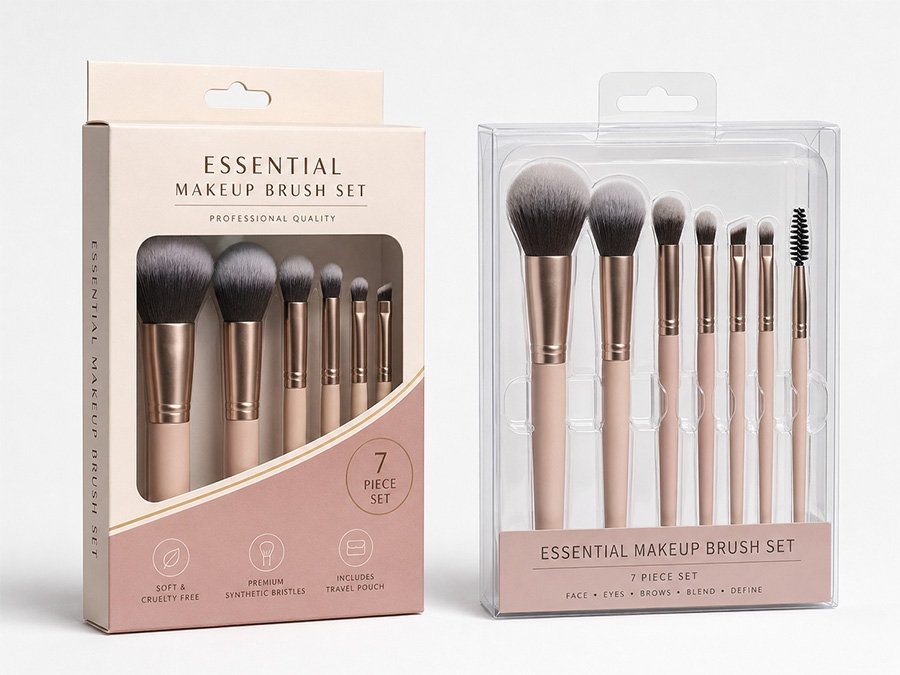
For example, a colorful cosmetic brush, collectible toy, decorative stationery set, or premium accessory may benefit from being visible almost completely.
Window Boxes Offer Controlled Visibility
A window box provides a different experience.
Instead of showing everything, the packaging designer decides exactly which section of the product should be visible.
This can be useful when you want the product and printed brand message to work together.
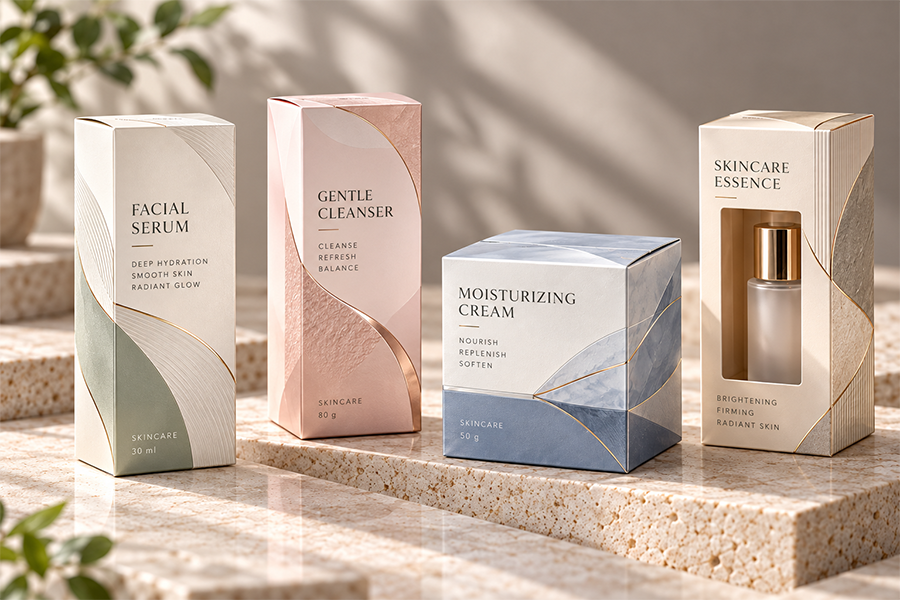
A cosmetic box may use a narrow vertical window to reveal the bottle inside while keeping most of the front panel available for the logo, product name, and design.
A toy carton may use a larger window because seeing the character or toy is more important.
Neither approach is automatically superior. The decision depends on whether full transparency or selective product display creates the stronger presentation.
Which Option Is Better for Branding and Printing?
For brands that depend heavily on graphics, typography, colors, and surface finishing, the window box usually offers greater design flexibility.
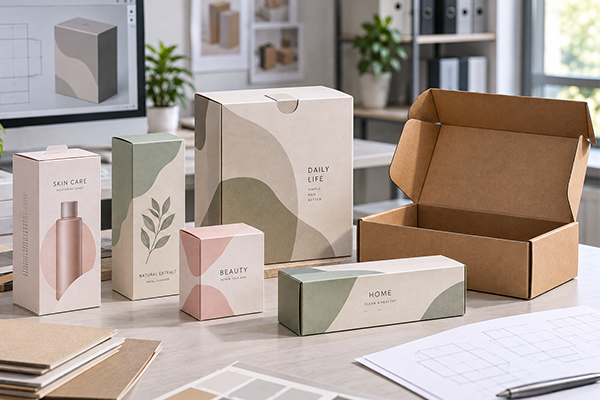
Paperboard provides a large printable surface suitable for CMYK printing, Pantone colors, illustrations, product photography, and detailed text.
It can also be combined with finishes such as:
- Matte or gloss lamination
- Foil stamping
- Spot UV
- Embossing
- Debossing
- Specialty paper effects
This gives brands more opportunities to create a specific visual identity while still showing the product through the window.
Clear Plastic Packaging Uses the Product as Part of the Design
Transparent boxes take a different approach.
Because customers can see through the package, the actual product, insert, label, and printed graphics all become part of the visual composition.
White ink is often important when printing on transparent material because colors printed directly onto clear plastic can behave differently from colors printed on white paperboard.
Designers therefore need to consider both the printed layer and whatever is visible behind it.
For a strong product with attractive color or form, this can create a very clean retail presentation.
Which Packaging Offers Better Product Protection?
Protection depends more on the complete box structure, material thickness, product weight, and internal support than on whether the box is paper or transparent plastic.
A paper window carton maintains paperboard around the window area, but making the cut-out too large can reduce rigidity. Heavy products may require thicker paperboard, a stronger bottom structure, or an internal insert.
Clear plastic cartons can retain their shape well for lightweight retail products, but they are not intended to replace corrugated shipping packaging for products requiring substantial transit protection.
For fragile or irregular products, either package may need an insert.
Paperboard, molded pulp, plastic, or other inserts can hold the product in position and prevent movement inside the package.
How Do They Compare in Retail Display?
The retail environment is an important part of the decision.
Window Boxes Work Well When Branding Leads the Display
A paper window box is useful when customers first need to recognize the brand, product category, or key product information.
The printed carton creates a strong visual block on the shelf, while the window provides proof of what is inside.
This approach works particularly well for skincare, cosmetics, food, soap, toys, and other products where both branding and product visibility matter.
Clear Plastic Boxes Work Well When the Product Leads the Display
Clear boxes are effective when the product itself is visually stronger than extensive packaging graphics.
A clear package can create a lightweight appearance because the product seems less enclosed.
It also works well when customers want to compare colors, shapes, models, or included accessories before purchasing.
For hanging retail products, both clear plastic cartons and paper window cartons can be designed with hanging tabs, provided the structure is suitable for the product weight.
What About Sustainability and Recyclability?
Sustainability should not be judged only by whether a package looks like paper or plastic.
A window carton combines materials when transparent film is attached to paperboard, while a clear plastic carton depends on the type of resin, printing, labels, adhesives, and other components used.
For paper packaging, responsible fiber sourcing can be supported through systems such as FSC certification. FSC provides certification and labeling frameworks for paper and packaging sourced through its certified supply chain.
For PET packaging, recyclability depends on the total package design, not PET alone. The Association of Plastic Recyclers provides specific design guidance for rigid PET packaging, including considerations such as material, labels, closures, inks, and other components.
For products sold into the European Union, packaging specifications should also be reviewed against applicable packaging rules. The EU Packaging and Packaging Waste Regulation entered into force on February 11, 2025 and generally began applying on August 12, 2026.
Elevate Your Brand with Premium Custom Paper Packaging
Unlock sustainable, tailor-made packaging solutions crafted to capture attention and protect your products. Partner with Baili to bring your brand vision to life with expert design, eco-friendly materials, and flawless quality.
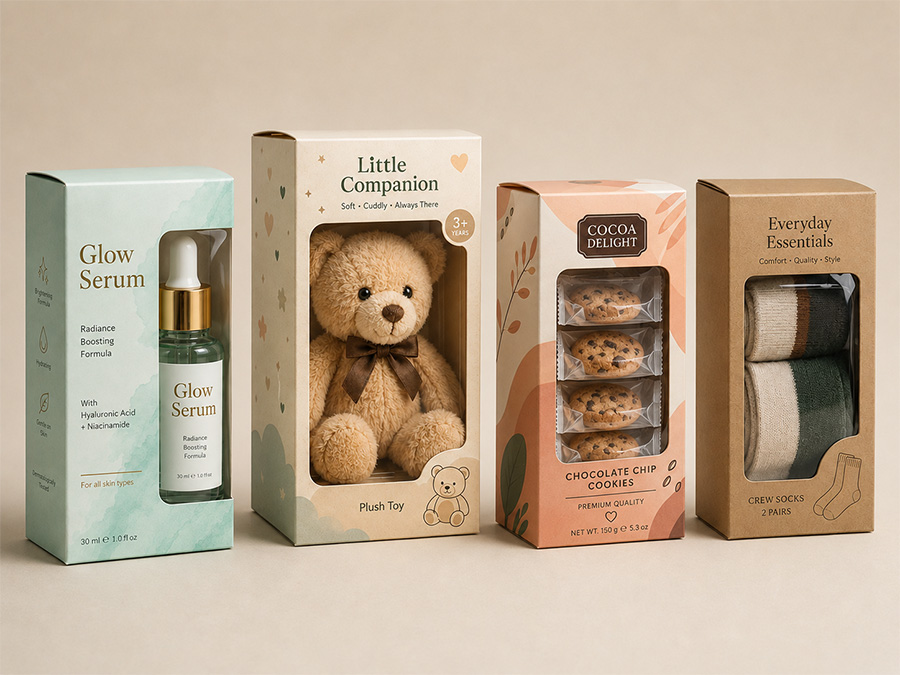
Best Applications for Window Boxes
A window box is usually the stronger option when the package needs to balance product visibility with substantial printed branding.
Typical applications include:
Cosmetics and Skincare
A small or medium window can reveal a lipstick, serum bottle, tube, or beauty accessory while leaving enough paperboard for product information and brand graphics.
Toys
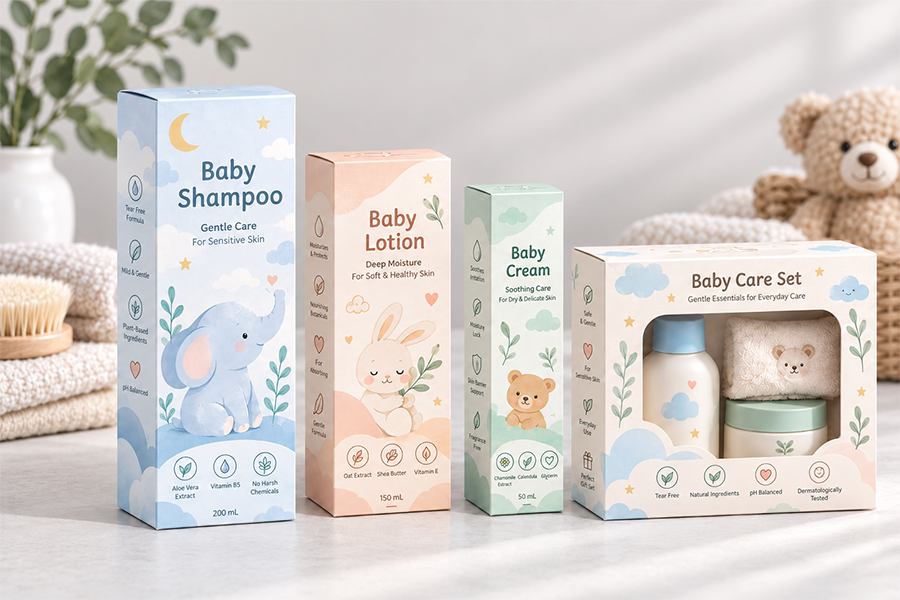
Larger windows allow customers to see the toy while printed illustrations and instructions remain visible around the display area.
Food and Confectionery
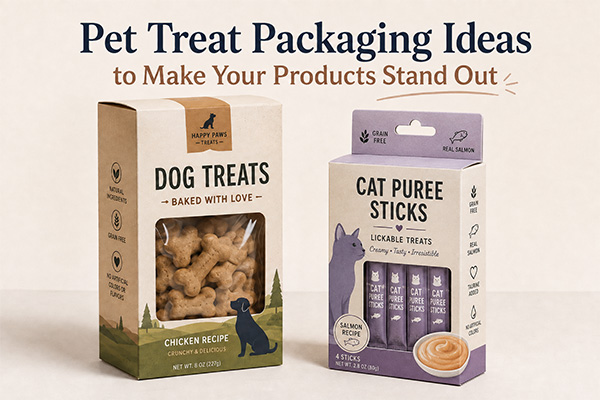
Windows can reveal cookies, chocolates, tea products, or other foods when the packaging construction and applicable requirements are suitable for the intended use.
Soap and Personal Care
A die-cut window can show the color or texture of the soap while keeping the overall package strongly branded.
Apparel Accessories
Socks, underwear, and small textile products can use window cartons to show material color and pattern.
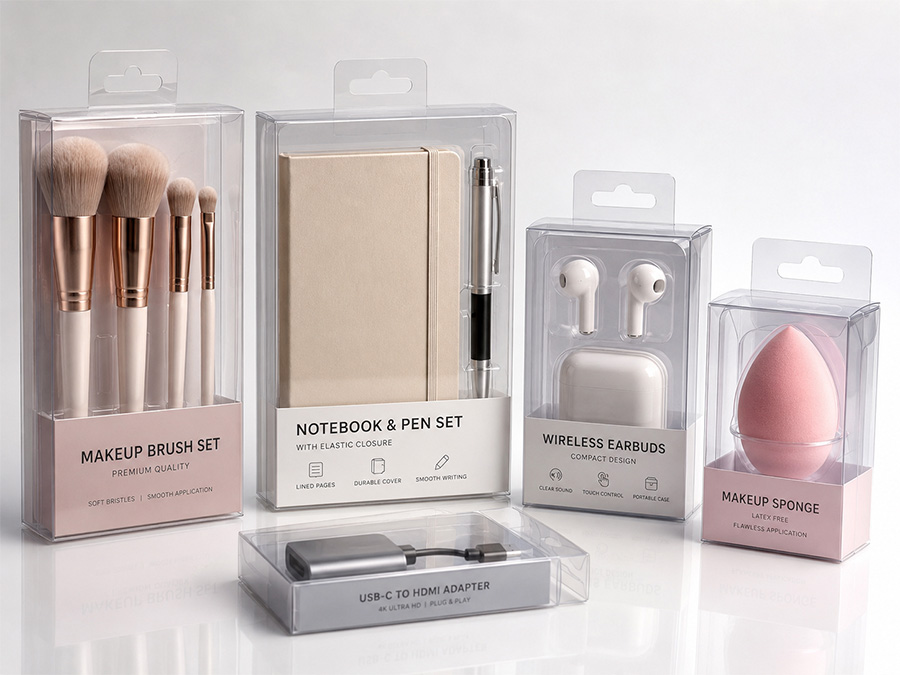
Best Applications for Clear Plastic Boxes
Clear plastic packaging works best when the product should remain visible from multiple angles.
Beauty Accessories
Cosmetic brushes, false eyelashes, makeup tools, and accessories often benefit from full visibility.
Toys and Collectibles
Transparent packaging allows customers to examine details before buying and can keep the visual focus on the collectible itself.
Stationery
Pens, markers, art supplies, and small stationery sets can be displayed clearly while printed information remains minimal.
Small Electronics and Accessories
Cables, adapters, small devices, and accessories can be displayed together with internal paper cards or inserts.
Gifts and Decorative Products
When shape, color, or decorative details are important, transparent packaging allows those elements to become the main attraction.
How to Choose Between a Window Box and a Clear Plastic Box
The easiest way to decide is to identify what needs to attract the customer first.
Choose a window box when:
- Printed branding is a major part of the package.
- Only part of the product needs to be visible.
- You want to combine product display with foil, lamination, embossing, or other paper finishes.
- The package requires substantial information or artwork.
- You want the paperboard to remain the dominant visual material.
Choose a clear plastic box when:
- Maximum product visibility is the main objective.
- Customers benefit from seeing the product from multiple angles.
- The product has an attractive shape, color, or surface.
- Minimal graphics are enough to communicate the brand.
- The product itself should become the main visual element.
For some projects, the answer becomes obvious after creating one paper window sample and one transparent plastic sample and comparing them with the real product inside.
Conclusion
The choice between a window box vs clear plastic box mainly comes down to how you want customers to experience the product.
Window boxes provide a strong balance between branding and visibility. Paperboard offers substantial space for printing and finishing, while the window allows customers to see selected parts of the product. This makes them particularly suitable for cosmetics, toys, food, personal care products, and other branded retail goods.
Clear plastic boxes put product visibility first. They allow customers to view the product from more angles and work especially well for beauty accessories, toys, stationery, electronics accessories, collectibles, and products with attractive colors or shapes.
There is no single better option for every product. Consider the actual product, required viewing area, branding, protection, retail environment, printing, shipping, sustainability requirements, and total packaging specification.
The strongest packaging choice is the one that makes the product easier to understand while supporting the brand rather than competing with it.